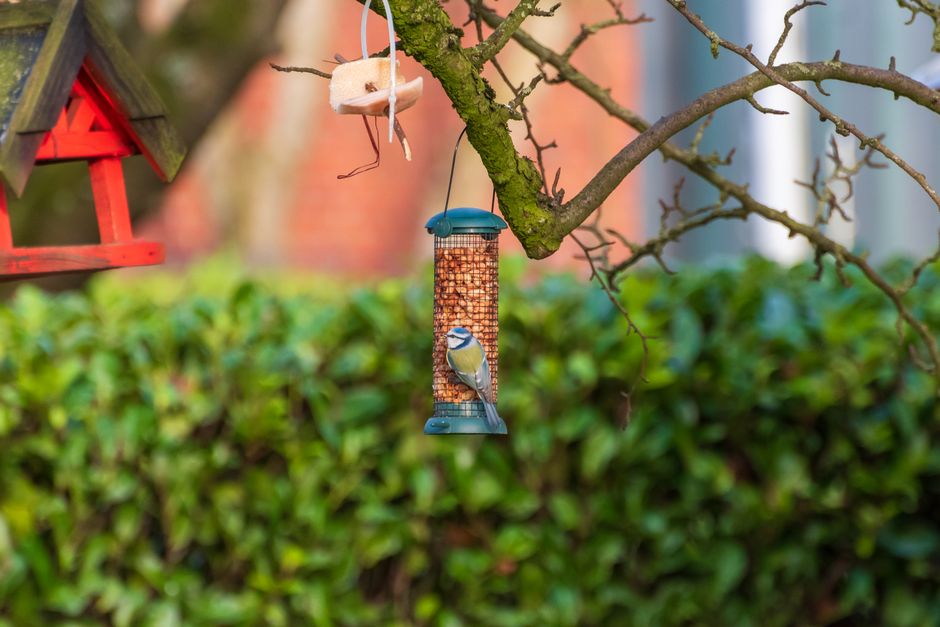
Tube feeders are the most versatile type, designed to attract small songbirds while deterring larger birds. Filled with sunflower seeds, these feeders can attract numerous species, including finches, chickadees, and nuthatches, turning your backyard into a vibrant bird-watching haven. Selecting the right feeder is essential for maximizing your bird-feeding enjoyment and enhancing local wildlife diversity.
This guide delves into various bird feeder types, their specific purposes, and essential tips for maintaining them. Armed with this knowledge, you’ll be better equipped to attract more birds and enjoy their presence as they flit around your outdoor space.
Types of Bird Feeders
There are several types of bird feeders, each designed to cater to different bird species and feeding preferences. The main types include:
- Tube Feeders: These cylindrical feeders typically cater to small birds like finches and chickadees. They often have multiple feeding ports, allowing several birds to eat simultaneously. Tube feeders are ideal for nyjer or sunflower seeds.
- Hopper Feeders: A hopper feeder has a large storage compartment, attracting various bird species. It dispenses seeds through gravity, making it easy for birds to access food. Fill it with mixed seeds for a more diverse bird population.
- Platform Feeders: These feeders provide a flat surface for birds to perch while they eat. They can hold a variety of foods, from seeds to fruits. Platform feeders also attract larger birds, making them a good choice for diverse feeding.
- Suet Feeders: Designed for high-energy suet cakes, these feeders attract woodpeckers, wrens, and other insect-eating birds. They can be hung from trees or posts and are often covered to protect suet from the elements.
- Hummingbird Feeders: These specialized feeders feature bright colors and nectar-filled reservoirs. They are designed to attract hummingbirds, whose diets rely heavily on nectar. It’s essential to keep these feeders clean to avoid harmful bacteria.
How to Choose the Right Bird Feeder
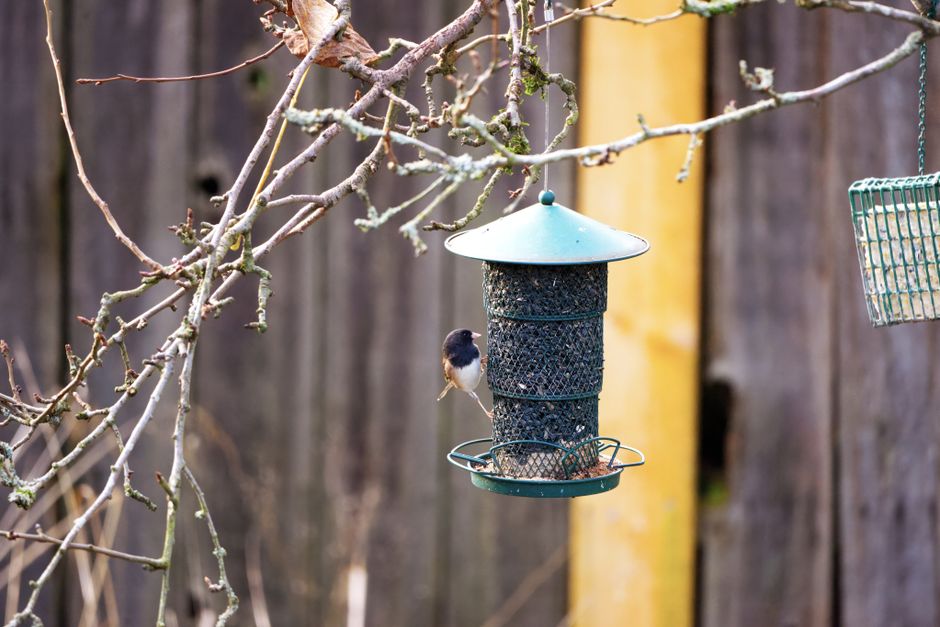
Selecting the right bird feeder depends on your gardening area, the bird species you want to attract, and your available space. Consider factors such as:
- Bird Species: Research which local birds you wish to attract and choose a feeder catered to their feeding habits. For example, tube feeders work well for finches, while platform feeders can attract larger birds.
- Location: Place the feeder in an open area where birds feel safe from predators, but also near natural cover like trees or shrubs. This will help them access the feeder more comfortably.
- Ease of Cleaning: Look for feeders that are easy to disassemble and clean. A clean feeder is essential for preventing mold and disease among birds. Regular maintenance will keep your feathered friends healthy.
For more in-depth information on choosing the right feeder, you can visit this helpful guide.
Maintenance and Cleaning Tips
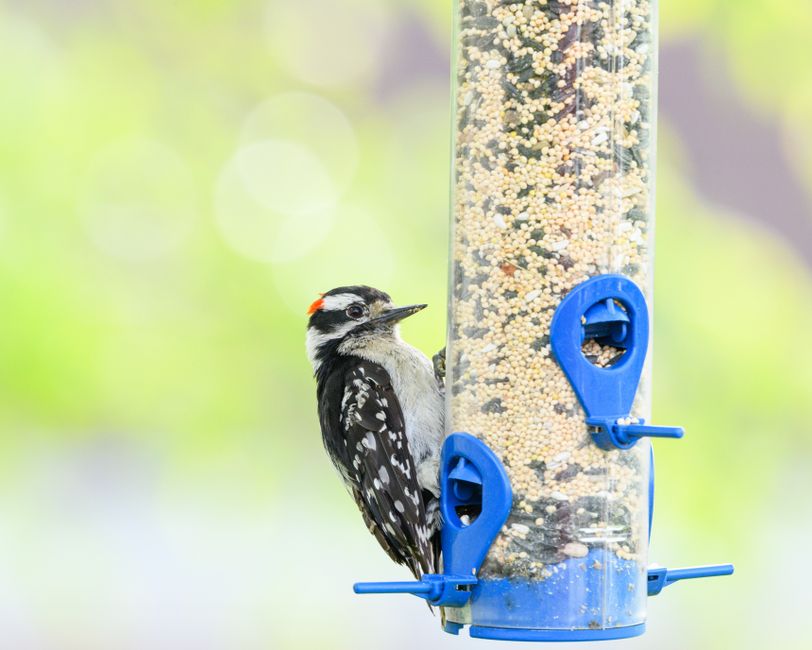
<pKeeping your bird feeders clean is crucial for promoting the health of the birds. Dirty feeders can lead to sickness and death among songbirds. Here are some maintenance tips:
- Regular Cleaning: Clean your feeders every two weeks or more frequently if they appear dirty. Use a mixture of hot water and a mild soap to scrub the feeder.
- Disinfect: After cleaning, disinfect the feeder with a 10% bleach solution to kill any harmful bacteria or mold. Rinse thoroughly before refilling with birdseed or nectar.
- Check for Damage: Regularly inspect your feeders for wear or damage. If you notice any issues, repair or replace the feeder to ensure birds can feed safely.
Best Foods for Bird Feeders
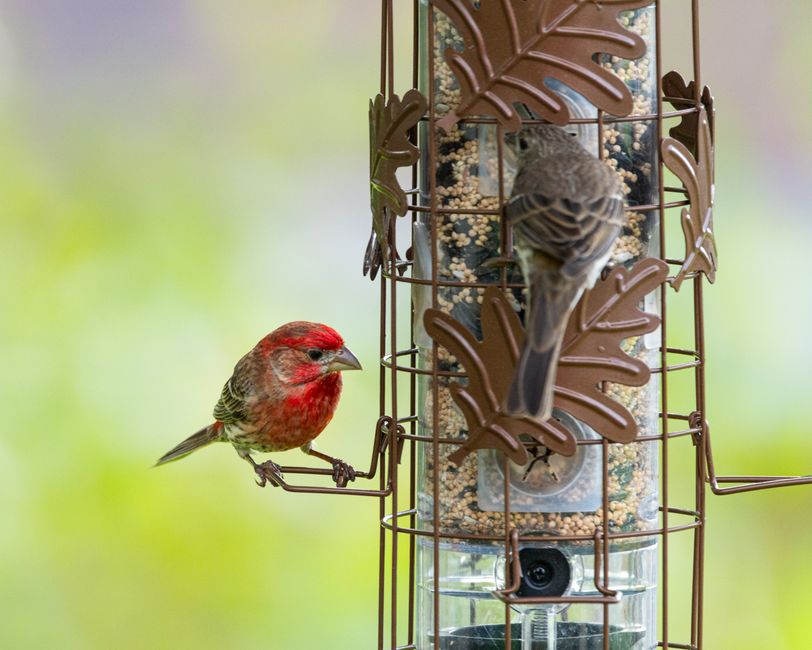
<pDifferent bird species have varied dietary needs, and selecting the right food is key to attracting them. Here’s a rundown of recommended foods:
- Sunflower Seeds: These seeds are among the most popular bird food choices and attract diverse species like cardinals and chickadees.
- Nyjer Seeds: Highly favored by finches, nyjer seeds are small and packed with energy.
- Millet: This seed is a favorite of ground-feeding birds like juncos and sparrows.
- Hummingbird Nectar: A simple mixture of 1 part sugar to 4 parts water, this nectar can be used in hummingbird feeders.
- Fruits: Offering fruits like apples or oranges can attract varied bird species. Learn more about what fruits you can feed wild birds.
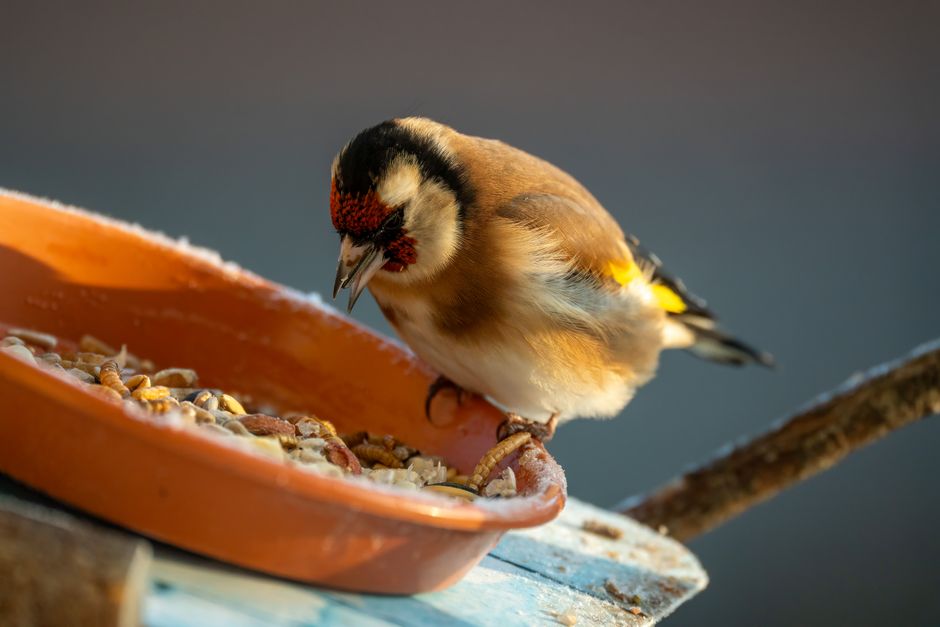
By understanding the different bird feeder types available, you can create a welcoming environment for your feathered friends. The right feeder, coupled with appropriate food and good maintenance, will enhance your outdoor gardening experience while captivating bird watching enthusiasts.
Frequently Asked Questions
What is the best bird feeder for attracting birds?
The best bird feeder for attracting a wide variety of birds is a tube feeder as it accommodates different seed types and protects seed from moisture while attracting both small and larger birds.
How to clean a bird feeder properly?
To clean a bird feeder properly, disassemble it and wash with hot, soapy water or a diluted bleach solution. Rinse thoroughly and allow it to dry completely before refilling it with bird seed.
What food do you put in a bird feeder?
You can put sunflower seeds, suet, and mixed seed blends in a bird feeder, depending on the bird species you want to attract. Different birds prefer different types of seeds, so you may want to offer a variety.
When should you put out a bird feeder?
You should put out a bird feeder in early spring and keep it filled throughout the winter. It's best to maintain food sources year-round to support migrating and resident bird populations.
How to make a DIY bird feeder?
To make a DIY bird feeder, use a clean milk carton or a toilet paper roll, cover it in peanut butter, and roll it in birdseed. Hang it from a tree branch with twine or string.