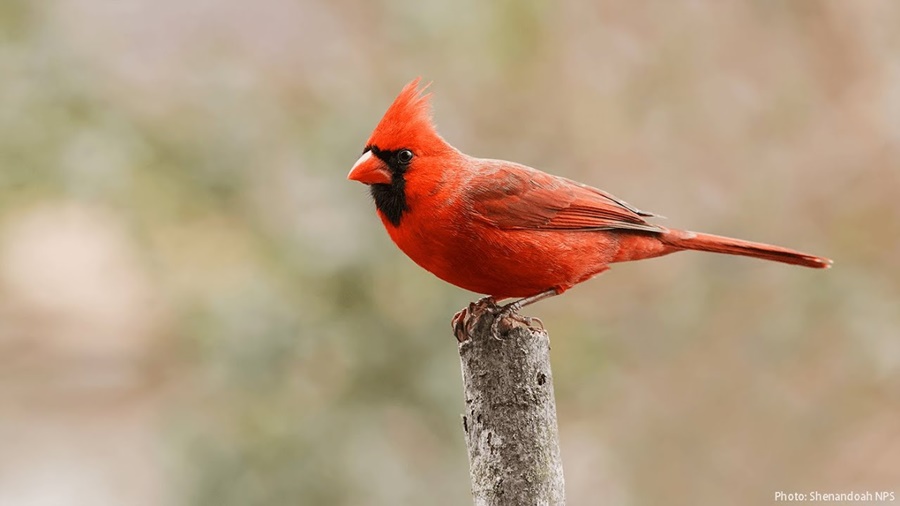
The Northern Cardinal (Cardinalis cardinalis) is one of the most recognizable and beloved songbirds in North America. Known for its vivid red plumage (in males), melodic songs, and year-round presence, the Northern Cardinal thrives across a wide range of habitats. This article explores where Northern Cardinals live, the environments they prefer, and how their range has changed over time.
Overview of the Northern Cardinal
Northern Cardinals are medium-sized songbirds belonging to the family Cardinalidae. Males are bright red with a black face mask and crest, while females are pale brown with reddish accents. Unlike many songbirds, cardinals do not migrate, making them a familiar sight throughout the year in many regions.
Geographic Range of the Northern Cardinal
North America Distribution
The Northern Cardinal is native to North America and has one of the widest ranges of any non-migratory songbird on the continent. Their range includes:
Eastern and Central United States – From Maine and the Great Lakes south to Florida and Texas
Southern Canada – Primarily southern Ontario and parts of Quebec
Mexico and Central America – Extending south through eastern Mexico to Belize and Guatemala
Range Expansion Over Time
Historically, Northern Cardinals were more common in the southeastern United States. Over the last century, their range has expanded northward and westward. Factors contributing to this expansion include:
Warmer winter temperatures
Increased suburban development with bird-friendly landscaping
Widespread use of backyard bird feeders
Today, cardinals are common even in areas where they were once rare.
Preferred Habitats of the Northern Cardinal
Northern Cardinals are highly adaptable and can live in a variety of environments, as long as there is adequate cover and food.
Woodlands and Forest Edges
Cardinals favor woodland edges rather than dense, deep forests. They thrive in areas where trees and shrubs meet open spaces, which provide:
Nesting sites
Protection from predators
Abundant insects and seeds
Shrublands and Thickets
Dense shrubs and thorny thickets are ideal habitats for cardinals. These areas offer excellent cover for nesting and roosting while also supporting insects, berries, and seeds.
Suburban and Urban Areas
Northern Cardinals are especially successful in suburban environments, including:
Residential neighborhoods
Parks and gardens
Cemeteries and golf courses
Landscaped yards with hedges, ornamental shrubs, and bird feeders closely mimic their natural habitat, allowing them to thrive near humans.
Wetlands and Riparian Areas
Although not strictly wetland birds, cardinals are often found near:
Swamps
Marsh edges
Streams and rivers
These areas provide dense vegetation and a rich food supply.
Climate and Environmental Preferences
Northern Cardinals prefer temperate to warm climates. Their non-migratory lifestyle means they must survive winter conditions year-round. They cope with cold weather by:
Increasing food intake
Fluffing feathers for insulation
Relying on reliable food sources like feeders
Extreme cold and lack of cover are the primary limits to their northern range.
Nesting Habitat Requirements
Cardinals build their nests in:
Dense shrubs
Small trees
Vine tangles
Nests are usually placed 3–10 feet above the ground and are well hidden. Proximity to food sources and cover is essential for successful breeding.
Human Influence on Cardinal Habitat
Human activity has generally benefited Northern Cardinals more than harmed them. Positive influences include:
Backyard feeding stations
Ornamental shrubs and hedges
Forest fragmentation creating edge habitats
However, habitat loss in some regions and collisions with windows remain threats.
Where You Are Most Likely to See Northern Cardinals
You are most likely to encounter Northern Cardinals in:
Backyards with feeders
Bushy parks and nature trails
Woodland edges and hedgerows
Because they stay in their territory year-round, once you spot a cardinal in an area, it is likely to remain there throughout the seasons.
Conclusion
The Northern Cardinal’s success lies in its adaptability. From dense forests and shrublands to suburban backyards and city parks, these birds have found ways to thrive alongside humans. Their wide geographic range and flexible habitat preferences ensure that the Northern Cardinal remains one of North America’s most familiar and cherished birds.
Whether you live in a rural woodland or a busy suburb, the chances are good that a flash of red and a clear, whistled song may be closer than you think.