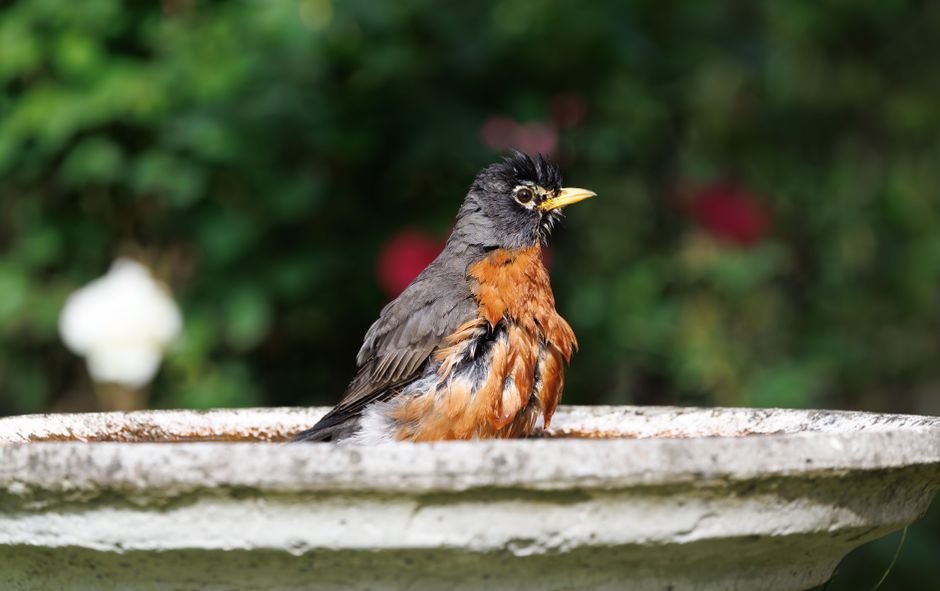
Bird baths can lose a surprising amount of water, often emptying in just a day, which can be frustrating for bird lovers. Several factors contribute to this issue, including evaporation, bird activity, and potential leaks in the bath itself.
First, let’s address the primary question: why is my bird bath empty? The causes often range from evaporation caused by heat and sun exposure, splashing from vigorous bird activity, or even leaks and drainage issues. I’ll break down each possibility to help you identify the root cause and implement solutions that work.
Common Reasons for Bird Bath Water Loss
The first culprit to consider is evaporation. On hot, sunny days, exposed water can evaporate quickly. Depending on the size of the bird bath and the weather, it’s not uncommon for several inches of water to disappear in just a day or two.
For instance, a small bird bath can lose about 1/10th of an inch of water in just one hour when temperatures soar. If you live in a hot climate, regular refilling might be necessary.
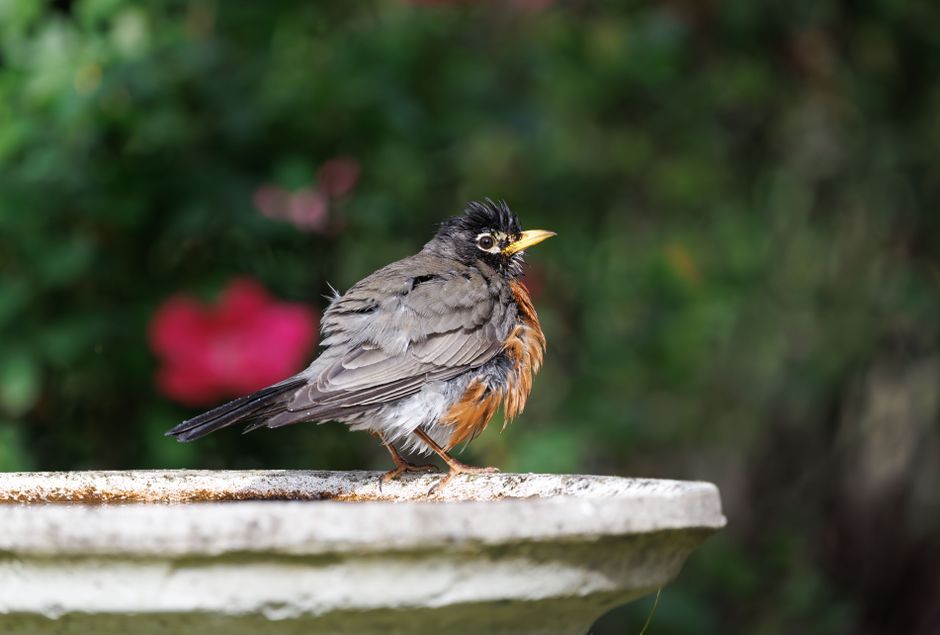
Another prime reason your bird bath may empty rapidly is splashing. Birds love to bathe and drink, often flapping their wings vigorously while enjoying the water. This enthusiastic splashing can send water flying out of the bird bath. If you notice water pooling on the ground around the basin, you might want to observe how the birds interact with the bath for a while.
You might be surprised by how much water they can displace.
- Hot weather contributes to evaporation.
- Bird splashing can create significant water loss.
- Leaks or drainage issues may cause hidden water loss.
Evaluating Your Bird Bath Design
Not all bird baths are created equal in terms of their ability to hold water. Some designs, particularly those with wide bases or shallow depths, may be more prone to water loss due to evaporation or splashing. If you’re facing issues frequently, it may be time to consider investing in a bird bath with a deeper structure.
These are generally more efficient in retaining water during the heat of the day.
Additionally, consider the materials used for your bird bath. A ceramic bird bath, for example, will retain coolness better than a plastic one, thus slowing down evaporation. If you currently own a plastic bird bath, you might notice that it warms up quickly under the sun, leading to faster evaporation rates. Switching materials can have a positive impact.
Preventing Rapid Evaporation
To manage evaporation effectively, one technique to consider is placing your bird bath in a shaded area. Trees or tall shrubs can help shield it from the sun, significantly decreasing water loss. Alternatively, if you can’t find a suitable shade, use other cover options like patio umbrellas or canopies to reduce direct sunlight.
Another method I recommend is regularly refreshing the water. By changing the water frequently, you not only address evaporation but also keep it clean for the birds. Clean water is paramount for attracting birds and ensuring they have a safe bathing option.
This is why I frequently refill my bird bath, not only does it replenish the water, but it also keeps it fresh for my visiting birds.
Checking for Leaks and Maintenance
Although it might seem obvious, it’s crucial to check for leaks. Inspect the bird bath for cracks or holes. Sometimes, a small fissure can lead to considerable water loss over time. If you find any damage, consider repairing it with sealants made for outdoor use. It’s a relatively straightforward fix that can save you from unnecessarily wasting water.
Maintenance is key with any bird bath. Regular scrubbing and cleaning can prevent algae growth and ensure that there are no hidden leaks hindering water levels. Performing this simple task every few weeks can prolong the lifespan of your bird bath and encourage more birds to visit.
Is It Just the Birds? Understanding Visitor Behavior
If you’ve implemented strategies to minimize evaporation or splashing and still find your bird bath empty, it’s time to observe the local birds. Species with larger sizes tend to create more splash. A busy sunflower seed feeder can bring birds in droves, meaning you may need to monitor the water levels more closely post-feeding.
Knowing which birds tend to frequent your feeders can help you understand their impact on your bird bath as well.
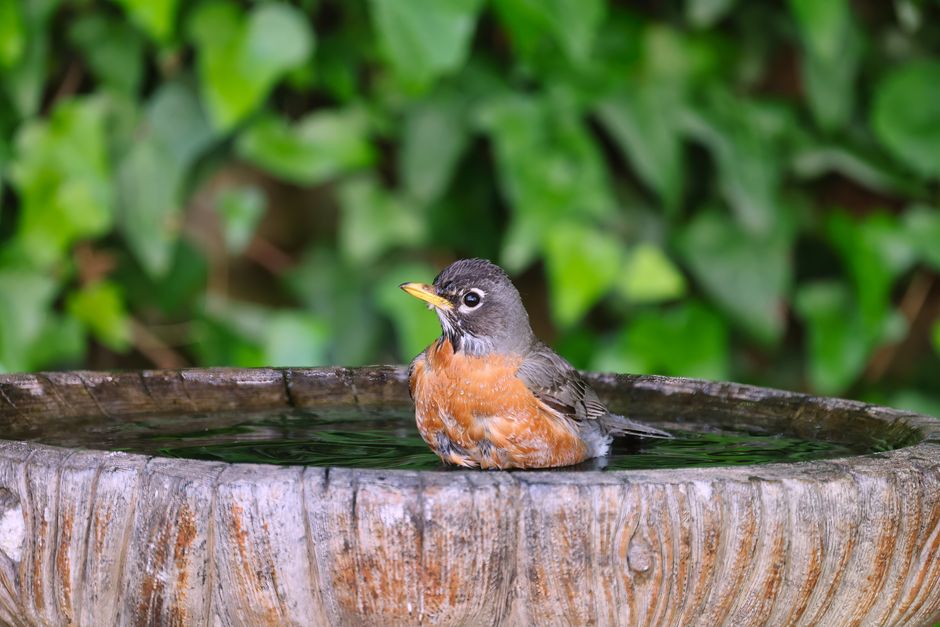
If you’re also dealing with frequent visits from particularly splash-happy species, such as robins or jays, consider adjusting your watering routine. Day-to-day monitoring may give you a clearer picture of how quickly the birds are using the bath, allowing for efficient refilling schedules tailored to their habits.
Conclusion: Choose the Right Solutions for Lasting Impact
To maintain a reliable water source, consider using a deeper bath to reduce evaporation while also ensuring it's placed in a shaded area for cooler temperatures. Regularly checking for leaks and refilling water daily will keep birds visiting your garden reliably. For further insights on attracting birds, you can also explore why is my bird bath empty.
Frequently Asked Questions
What causes a bird bath to lose water?
A bird bath can lose water due to evaporation, especially during hot and sunny weather. Additionally, birds splashing around can displace significant amounts of water, and natural factors like rain can also contribute to fluctuating water levels.
How can I prevent water from evaporating in a bird bath?
To minimize evaporation, place the bird bath in a shaded area to limit direct sunlight exposure. Adding plants around the bath can help provide shade, and using a wider, shallow dish can also help reduce evaporation compared to deeper designs.
Why does my bird bath keep drying out?
Your bird bath may keep drying out due to a combination of sunlight exposure and high temperatures, leading to increased evaporation. Additionally, frequent use by birds and potential leaks can contribute to the water level dropping rapidly.
Can a leaking bird bath be repaired easily?
Yes, a leaking bird bath can often be repaired easily, depending on the material and size of the crack. For ceramic or concrete baths, waterproof sealant can be used, while plastic baths may require a simple patching tape or adhesive designed for outdoor use.
How often should a bird bath be refilled?
A bird bath should ideally be checked and refilled every few days, especially in hot weather when evaporation rates are higher. It's important to maintain adequate water levels to attract birds and provide them with a safe source of drinking and bathing water.