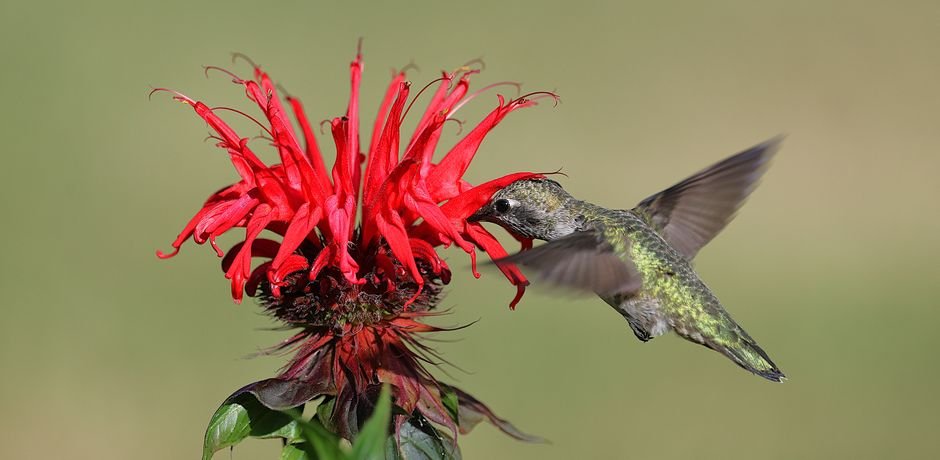
Selecting the right plants can increase bird visits to your garden by up to 50%. Over the years, I've identified several perennial plants that effectively attract diverse bird species while offering vibrant displays throughout the seasons.
Choosing the right perennials gives you the advantage of a low-maintenance garden while benefiting wildlife. Here are nine choices I’ve found work exceptionally well, leveraging their beauty to create ideal bird habitats.

1. Black-eyed Susan (Rudbeckia hirta)
Black-eyed Susans are a favorite among many bird species, especially goldfinches. Their bright yellow petals and dark centers provide visual appeal, and the seed heads are a nutritious food source when left standing in the fall. I recommend planting them in clusters; they thrive in full sun and attract not just birds, but also butterflies.
A key benefit of Black-eyed Susans is their drought tolerance once established. Make sure to space them about a foot apart to allow for healthy growth.
2. Coneflower (Echinacea purpurea)
Coneflowers are robust perennials that are also beloved by finches and other seed-eating birds. Their distinctive pink petals add a splash of color to your garden, and they bloom from early summer to early autumn. Fans of these flowers often rave about their resilience, they can endure poor soil conditions, making them perfect for low-maintenance gardens.
It’s best to cut them back in late spring for a fuller growth. This simple gardening task will also prompt a stronger bloom.
3. Bee Balm (Monarda didyma)
This fragrant perennial not only attracts birds but also butterflies and bees, enriching your garden’s ecosystem. The tubular flowers of bee balm come in shades of red, lavender, and pink, appealing to hummingbirds in particular. I find the best yields in areas with full sun and moist, well-draining soil.
Bee balm can spread rather vigorously, so consider planting it in confined spaces or using barriers to contain its growth.
4. Aster (Symphyotrichum spp.)
Asters bloom in late summer and fall, providing a necessary food source for birds and pollinators as they prepare for winter. These perennial plants can produce flowers in various colors, from purple to pink, creating a lively autumn garden environment. I appreciate how they withstand cooler temperatures, making them a seasonal staple.
Plant them in clumps for a more impactful visual display, and deadhead spent blooms to encourage further flowering.
5. Joe Pye Weed (Eutrochium purpureum)
Joe Pye Weed is an excellent addition for larger gardens, growing tall and offering clusters of pink flowers that attract numerous pollinators. Birds such as sparrows and warblers are drawn to the seeds, making it a clever choice for those wanting to enhance bird biodiversity. It prefers moist conditions and can even handle partial shade.
Be prepared for its height, this plant can reach up to 7 feet. Position it towards the back of your garden to maintain visual balance.
6. Switchgrass (Panicum virgatum)
This native grass provides not just structure but also essential nesting materials for birds. Its tall tufts sway beautifully in the wind, adding movement and texture to your landscape. I recommend this plant for anyone looking to create a naturalistic garden since it supports various bird species throughout the year.
Plant switchgrass in well-drained soil and give it plenty of room to spread. You’ll foster a perfect breeding ground for local wildlife if left untrimmed in the fall.
7. Wild Bergamot (Monarda fistulosa)
Closely related to bee balm, wild bergamot features striking lavender blooms that attract both pollinators and birds. It’s a hardy perennial that thrives in clumps, and its scent can deter pests, an added benefit in organic gardening. I often find that it’s less demanding than other perennials, making it suitable for novice gardeners.
Wild bergamot can spread through rhizomes, so monitor its growth to prevent overcrowding. Thin them out every few years to maintain health and vigor.

Making the Most of These Perennials
For a bird garden that thrives, I recommend planting coneflowers, which are particularly beneficial for attracting finches. If you have limited space, consider asters, as they require less room and provide essential nectar sources for hummingbirds. Additionally, explore the top perennial plants for bird gardens to expand your selection and provide even more diverse habitats.
We cover lights for indoor plants in more depth separately.
We cover lights for indoor plants in more depth separately.
Frequently Asked Questions
What perennials attract the most birds?
Perennials that attract the most birds include coneflowers, black-eyed Susans, and bee balm due to their abundant nectar and seeds. These plants provide essential food sources for a variety of bird species throughout the seasons.
Which flowers are best for bird gardens?
Best flowers for bird gardens include sunflowers, asters, and zinnias, as they offer vibrant colors and attract a range of birds. Additionally, plants like milkweed can attract pollinators, which in turn draw birds looking for insects.
Do specific perennials attract hummingbirds?
Yes, specific perennials such as trumpet vine, columbine, and salvia are particularly effective at attracting hummingbirds. These plants produce tubular flowers rich in nectar, making them highly appealing to these fast-flying birds.
How do perennials help bird populations?
Perennials support bird populations by providing a consistent food source, such as seeds and nectar, which are essential for feeding both adult birds and their young. Moreover, they contribute to the overall biodiversity of gardens, creating healthier ecosystems that benefit birds and other wildlife.
Can perennials provide shelter for birds?
Perennials can indeed provide shelter for birds through dense foliage and protective structures where birds can nest and hide from predators. Plants like asters and butterfly bush offer safe hiding spots and breeding grounds, enhancing the survival of bird species.