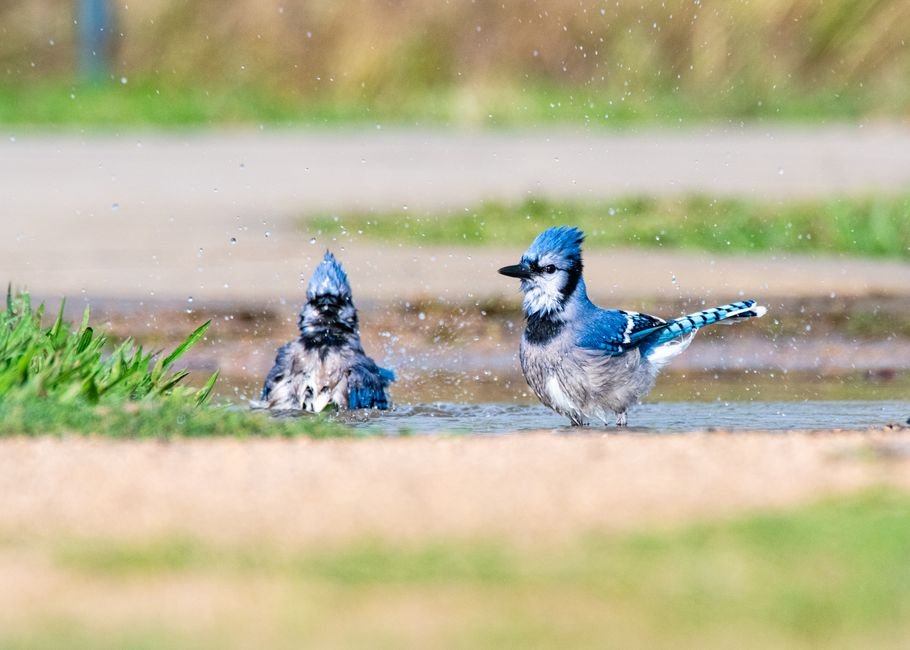
Over 80% of bird baths suffer from algae growth if not properly maintained. Regular cleaning and water changes are essential for keeping the space inviting for birds. This simple upkeep is vital for creating a healthy environment where birds can thrive.
If you’re asking how to maintain a bird bath effectively, here’s what I’ve learned works best through trial and error.
Regular Water Changes Are Essential
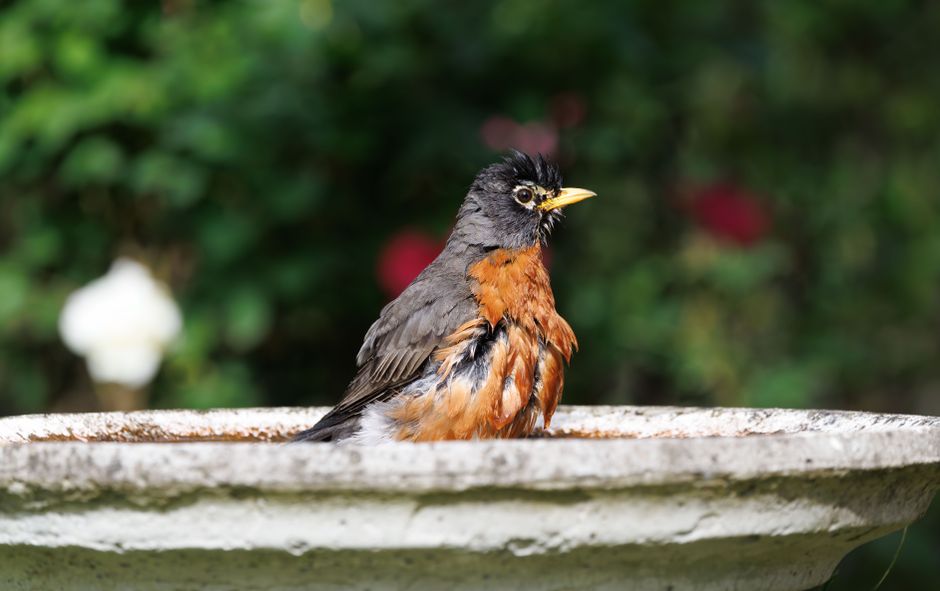
One of the simplest yet most effective ways to maintain your bird bath is to change the water frequently. Ideally, I recommend doing this every 2 to 3 days during warmer months. In the heat, standing water becomes a breeding ground for algae and mosquitoes, which can deter birds from visiting.
But keeping the water fresh not only enhances the appeal of your bird bath, it also provides a healthier drinking and bathing source for birds.
If you find yourself forgetting this chore, set a reminder on your phone or consider a weekly schedule to keep it top of mind. It only takes a few minutes to drain and refill your bird bath, but the payoff in bird health and activity is well worth it.
Algae Removal Techniques That Work
Even with routine water changes, algae can still creep in if conditions are just right. For any stubborn algae that develop, avoid harsh chemicals. Instead, I use a simple DIY mixture of vinegar and water for cleaning. Mixing one part vinegar with three parts water creates an effective solution that is both safe for the birds and tough on algae.
Just use a sponge or cloth to scrub away the slime before rinsing thoroughly.
When cleaning your bird bath, make sure to get into all the nooks and crannies, algae spores can hide in crevices and regrow quickly if not eliminated. I’ve found that keeping a stiff-bristled brush specifically for bird bath cleaning in my toolkit makes this process easier and more efficient.
Choosing the Right Location
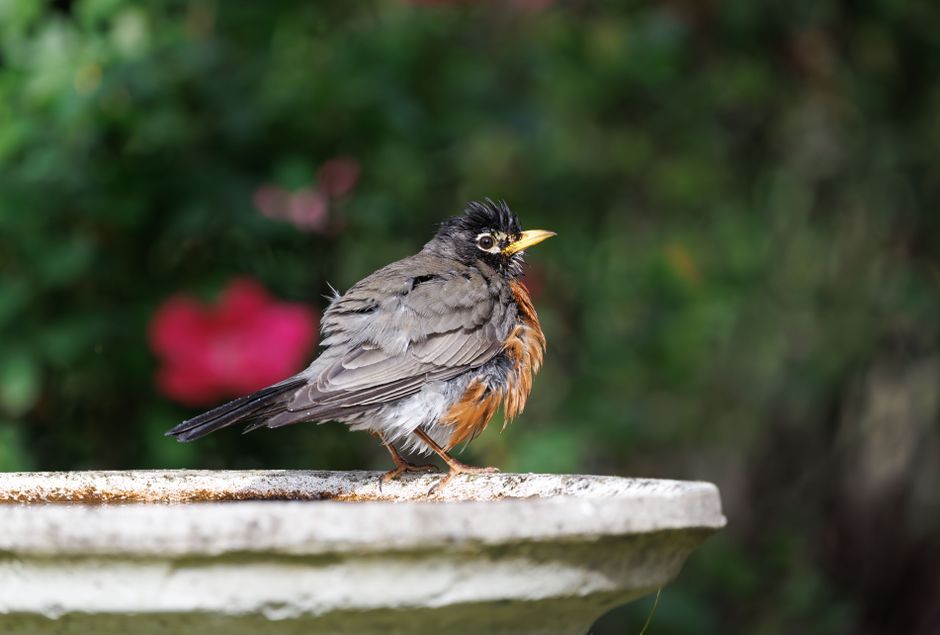
The placement of your bird bath can influence algae growth. Avoiding direct sunlight is key. A spot that receives some shade can slow down algae development significantly, keeping the water cooler and fresher for longer. If your bird bath is in direct sunlight, consider relocating it or adding some plants nearby to create a bit of dappled shade.
This can be particularly important during hot summer months when algae tend to bloom the most.
Consider Adding Movement
Birds prefer moving water, and incorporating a solar-powered fountain or bubbler into your bird bath can help keep the water circulating. Not only does this deter algae, but it also attracts more birds to your yard. In my experience, birds are more likely to visit baths with flowing water; it creates a serene atmosphere that they find inviting.
If you’re curious about how birds respond to movement in water, I’ve found some interesting insights on their behaviors here. An added benefit is that moving water discourages mosquitoes from laying eggs, which solves multiple issues at once!
A Seasonal Maintenance Schedule
Seasonal maintenance is crucial. Each season brings unique challenges, so I make sure to adjust my care routine accordingly. In spring and summer, water changes and cleaning are critical. During autumn, clearing fallen leaves and debris keeps the bath clean.
In winter, if you live in a colder area, consider using a heated bird bath to prevent freezing. This will ensure that birds have access to water even in chilly temperatures. One winter, I noticed a dramatic increase in visits when I used a heated model, which showed how desperately birds seek out open water.
Common Mistakes to Avoid
One mistake many people make is letting water stagnate for too long. Not only does this attract unwanted pests, but it also makes cleaning more challenging. Additionally, using bleach or soaps can leave residues harmful to birds, so steering clear of them is vital.
Another oversight is neglecting the bird bath in less active seasons. Even in colder months, birds need water. If your bath is frozen, think about adding a heater or even taking a few moments to break the ice regularly, allowing birds a chance to drink.
The Bottom Line: Prioritize Bird Health
For the best results, clean your bird bath at least once a week and change the water every two to three days. If you want low maintenance, consider a fountain-style bird bath, which circulates water, while a simpler design suits casual birdwatchers who enjoy frequent cleaning. Either choice will enhance your backyard's appeal to local birds.
Frequently Asked Questions
How do you keep a bird bath from getting dirty?
To keep a bird bath from getting dirty, place it in a shaded area to reduce algae growth and debris accumulation. Additionally, regularly remove leaves and other debris as soon as you notice them.
Why does my bird bath keep turning green?
A bird bath turns green primarily due to algae growth, which thrives in sunlight and warm temperatures. To prevent this, ensure it is in a shaded spot and maintain regular cleaning.
What is the best way to clean a bird bath?
The best way to clean a bird bath is to empty it, scrub with a soft brush, and rinse thoroughly with clean water. You can use a mixture of mild soap and water for tough stains, but ensure all soap is rinsed out before refilling.
Can I use vinegar to clean a bird bath?
Yes, vinegar can be used to clean a bird bath, as it is a natural disinfectant and helps remove algae and mineral deposits. However, it's important to rinse the bath thoroughly after using vinegar to ensure no residue remains.
How often should you change water in a bird bath?
You should change the water in a bird bath at least every three days to keep it fresh and clean for the birds. During hot weather, you may need to change it daily to prevent bacteria and algae growth.