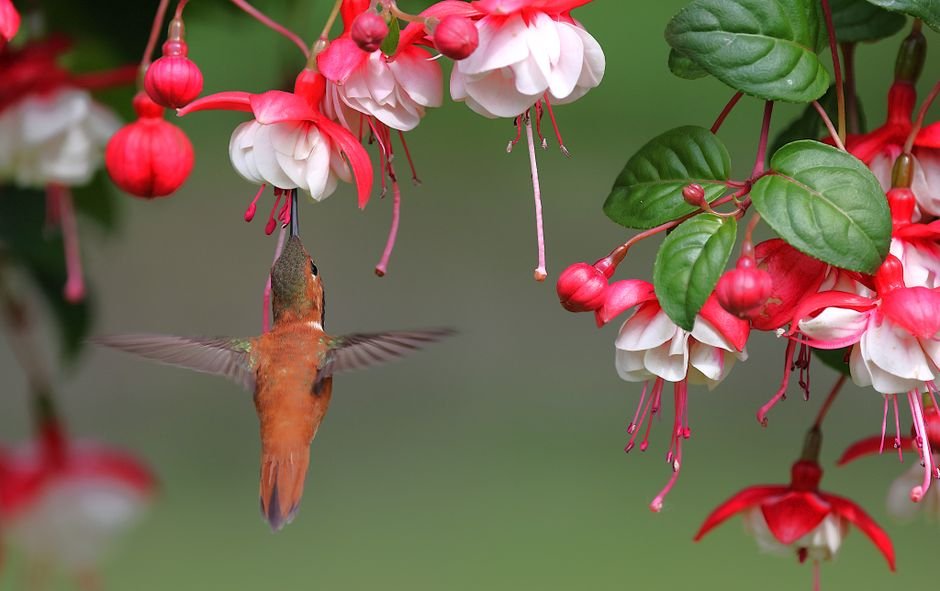
To attract birds effectively, you need to focus on the right plants. A selection of native flowers, shrubs, and fruiting trees can dramatically improve your garden's appeal to these creatures. Here are nine plants that consistently draw birds to gardens.
Native plants are often the best choice because they provide essential food sources and habitats for local bird species. Whether you are an experienced gardener or a novice, choosing the right plants can set your garden up as a thriving wildlife habitat. I’ve compiled a list of my top picks to help you create a welcoming space for birds.

1. Eastern Red Cedar (Juniperus virginiana)
The Eastern Red Cedar is an evergreen tree that provides year-round cover and food. Its berries are favored by many bird species, especially during colder months. This tree attracts cardinals, bluebirds, and cedar waxwings, making it an excellent choice for diverse birdwatching.
Be mindful that this tree can grow quite large, so ensure you have enough space in your garden for it to thrive.
2. Serviceberry (Amelanchier spp.)
Serviceberry is a flowering shrub that produces small, sweet berries that birds love. Species like robins and thrushes are particularly fond of these berries in early spring and summer. Not only does it attract birds, but it also offers beautiful white flowers in spring, making your garden visually appealing.
Consider planting multiple serviceberry shrubs to increase your chances of attracting more birds, as they will compete less for the berries.
3. Black-eyed Susan (Rudbeckia hirta)
This hardy perennial is known for its bright yellow flowers and is an excellent addition to any pollinator garden. Black-eyed Susans attract insects, which, in turn, provide food for insectivorous birds like wrens and chickadees. Plant them in clusters for maximum effect.
They thrive in full sun and well-drained soil, making them a low-maintenance choice for your garden.
4. Elderberry (Sambucus canadensis)
Elderberry is a flowering shrub that produces clusters of tiny, dark berries that are beloved by birds such as finches and waxwings. It also serves a double purpose by attracting butterflies to your garden. This shrub grows quickly and can reach heights of 12 feet, providing ample space for nesting.
Regular pruning can help maintain its shape and promote denser growth, benefiting both the birds and the appearance of your garden.
5. Coneflower (Echinacea purpurea)
Coneflowers are not just visually appealing, but they also serve a crucial role in attracting birds. Their seeds provide a food source for goldfinches and sparrows in the fall. The flowers themselves bring in butterflies, enhancing the biodiversity of your pollinator garden.
Deadhead the spent flowers to encourage more blooms throughout the season and keep the garden looking fresh.
6. Milkweed (Asclepias spp.)
Milkweed is a must-have not only for butterflies but also for birds. The seeds attract small birds, and the flowers are crucial for monarch butterflies that lay eggs on the plant. If you want to draw songbirds into your garden, this is one plant you shouldn’t overlook.
Plant milkweed in sunny areas with good drainage for the best results; avoid overly wet or shady spots.
7. Winterberry Holly (Ilex verticillata)
This deciduous holly produces bright red berries that are a favorite during winter when food is scarce. Birds like robins and sparrows feed on the fruits, while the dense foliage offers excellent nesting sites. Plus, its striking appearance adds interest to your garden year-round.
Plant it in wet areas or near water features, as this species thrives in more moisture than typical hollies.

How to Choose the Right Plants
For the best results, choose native plants like coneflowers and serviceberries, which thrive in local conditions and benefit native bird species. If you want to support a wide range of birds, include diverse vegetation types such as perennials, shrubs, and trees to create varied habitats.
See also our take on indoor plants.
Frequently Asked Questions
What plants attract the most birds?
Plants like sunflowers, coneflowers, and milkweed are known to attract a variety of bird species. Additionally, native trees and shrubs, such as oaks and serviceberries, provide essential habitat and food sources.
How do plants benefit bird populations?
Plants offer essential resources such as food, shelter, and nesting sites for birds. They provide insects for protein, seeds for energy, and fruits for sustenance throughout different seasons.
Can planting native species attract more birds?
Yes, planting native species can attract more birds as they are often more suited to local ecosystems and provide the specific food and shelter that local bird species require. Native plants can enhance biodiversity and create a more inviting environment for birds. For instance, you can learn about some of the best plants for attracting birds.
Why are berry-producing plants good for birds?
Berry-producing plants provide high-energy food sources that are crucial for birds, especially during migration and winter months. These plants support various bird species, as they rely on berries for carbohydrates and nutrients.
How to create a bird-friendly garden?
To create a bird-friendly garden, include a variety of native plants that produce seeds, nectar, and berries. Adding features like water sources, sheltering shrubs, and avoiding pesticides will also make your garden more welcoming to bird populations.