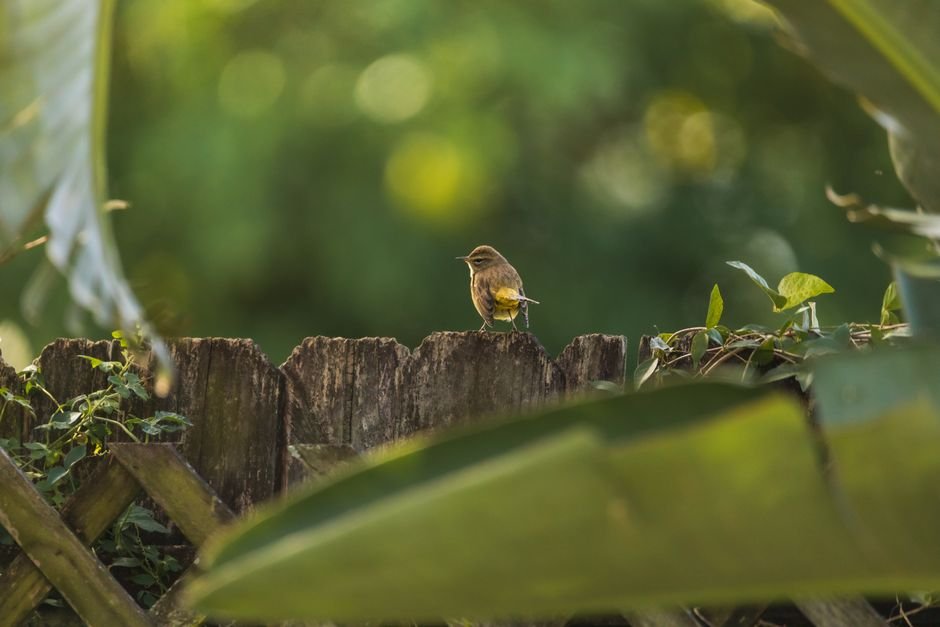
Research shows that landscapes with bird-friendly plants can increase local bird populations by 50%. Choosing native species not only enhances your property but directly supports the habitat needs of local birds and pollinators.
Incorporating these plants isn’t just about aesthetics; it’s about creating a sustainable environment that supports local ecosystems. Here’s how you can effectively implement bird-friendly plants in your landscape.

Choosing the Right Bird-Friendly Plants
The first step in learning how to incorporate bird-friendly plants into landscaping is selecting the right species. Native plants are often the best choice because they are already adapted to your local climate and provide food and shelter for local birds.
For example, if you live in a temperate region, consider planting wildflowers like coneflowers or milkweeds, both of which attract a variety of pollinators and birds.
While native plants for birds are essential, it’s also beneficial to mix in some fruit-bearing shrubs. Plants like serviceberry or elderberry offer food sources for birds during different seasons. Aim for a variety of heights and types of plants; this diversity makes your landscape more inviting and interesting to different species. I always recommend planting in clusters rather than isolated, single specimens.
Birds feel safer and more comfortable in dense plantings.
Designing Your Bird-Friendly Landscape
Now that you’ve chosen your plants, the next step is to think about how to arrange them. This isn’t just about looks; it’s about functionality. Place taller trees and shrubs at the back of your yard, gradually moving to shorter plants in the front. This arrangement not only creates a visually appealing tiered effect but also provides shelter and nesting options for birds.
Incorporate water features to enhance your bird-friendly garden. A simple birdbath or small pond can make your space even more inviting. This is also where people usually get caught out; they forget that birds need both food and water to thrive.
If you’re unsure how to set this up, look into options that integrate well with your new plantings, you’ll have a lively habitat that attracts birds year-round.

Common Mistakes to Avoid
Even seasoned gardeners can make missteps when trying to incorporate bird-friendly plants. A common mistake is planting non-native species that may be invasive. These can compete with local flora and ultimately harm the ecosystem you’re trying to support. Stick to well-researched native plants and consult local gardening centers for the best options in your area.
Another pitfall is using pesticides and herbicides. These chemicals can be harmful not only to birds but also to the entire ecosystem you’re trying to create. Instead, opt for organic and natural pest control methods. You’ll find it satisfying to manage your garden with natural solutions, knowing you’re protecting local wildlife.
Creating a Butterfly Garden for Birds
If you’re enthusiastic about attracting even more wildlife, consider creating butterfly gardens. Plants that attract butterflies also provide nectar for hummingbirds and other birds. Species like milkweed and butterfly bush not only add beauty but also contribute to a biodiverse environment.
Incorporate plants that bloom at different times of the year to ensure there’s always something to attract pollinators. This extends the food supply for birds and grants you a garden that changes and evolves over time. It’s a win-win for everyone involved!
Maintaining Your Bird-Friendly Landscape
Once you’ve established your bird-friendly garden, maintaining it is essential. Regular pruning of your plants can help encourage growth and flowering, especially for shrubs and small trees. Additionally, plan to replace any non-native or poorly performing plants over time to ensure the continued well-being of your wildlife habitat.
I advocate for keeping a journal or notes on what works in your garden. Track the different bird species you observe and any changes in your plantings. This will help you make informed decisions for future planting and maintenance. And don’t forget to refill birdbaths frequently; clean water is crucial for attracting and sustaining birds.
Your Bird-Friendly Journey Awaits
For the best results, prioritize native plants that thrive in your region; these are often the most beneficial for local wildlife. If you're looking for low-maintenance options, consider native grasses and wildflowers while more hands-on gardeners might explore diverse shrubs and trees to create layered habitats.
For more, read about indoor plants.
For more, read about indoor plants.
Frequently Asked Questions
What plants attract the most birds?
Plants that produce berries, seeds, and nectar attract a variety of birds. Some popular choices include native berry-producing shrubs like elderberry, serviceberry, and viburnums, as well as flowering plants such as coneflowers and sunflowers.
How do I create a bird-friendly backyard?
To create a bird-friendly backyard, include a variety of native plants for food and shelter, provide water sources like birdbaths, and avoid using pesticides. Incorporating nesting boxes or providing safe places for nesting materials will also encourage birds to visit and stay.
Can landscaping attract specific bird species?
Yes, specific plants can attract particular bird species. For example, hummingbirds are drawn to tubular flowers, while finches prefer seed-rich plants, so choosing the right flora based on the birds you want to attract will enhance your garden's appeal.
What are the benefits of a bird-friendly garden?
A bird-friendly garden promotes biodiversity, supports local ecosystems, and aids in pest control through natural predation. Additionally, it provides enjoyment and educational opportunities for humans, fostering a connection with nature.
How can I maintain a bird-friendly landscape?
To maintain a bird-friendly landscape, regularly prune and care for plants to encourage healthy growth, refill bird feeders, and clean birdbaths. Avoid using chemical pesticides and provide seasonal plant diversity to accommodate different birds throughout the year.
For more information on how to incorporate bird-friendly plants into landscaping, visit this resource.