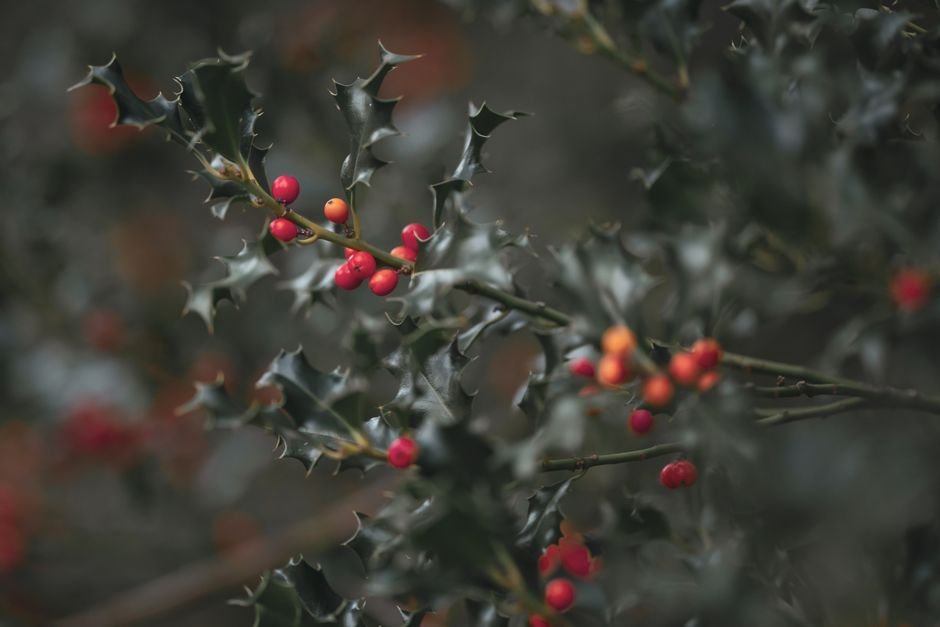
Birds are more likely to visit your garden if you plant the right native species. Winterberry, with its bright red berries, can attract a variety of birds during the colder months, while holly's glossy leaves and berries can serve as a secondary option. Understanding the differences between these two plants can help you make an informed choice for your garden's bird-attracting potential.
In this guide, I’ll break down five aspects of winterberry and holly to help you decide which to plant in your garden for optimal bird attraction. If you’re eager to create a bird-friendly habitat that will draw a variety of feathered friends, you’ll want to consider these factors carefully.

1. Density of Berries
Winterberry (Ilex verticillata) produces an abundance of bright red berries that are particularly attractive to birds during the colder months when food is scarce. The dense clusters of berries can be a significant food source for species such as robins, waxwings, and bluebirds. Holly, while also producing berries, often has fewer compared to winterberry, which can make a notable difference in attracting birds.
If you’re aiming for maximum berry yield to draw in birds, winterberry is the way to go. Consider planting a few varieties for even more berries.
2. Seasonal Availability
Winterberry stands out because its berries persist on the branches through winter, providing food when other sources are depleted. In contrast, holly berries tend to be consumed more quickly since they may not have the same level of hardiness. As a result, winterberry becomes a reliable winter food source, whereas holly often provides earlier food that may be quickly stripped by feeding birds.
For a garden focused on winter bird activity, prioritize winterberry to ensure your feathered friends have a consistent food supply.
3. Native Eco-Adaptation
Winterberry is a native shrub in North America, which means it’s well adapted to local environments. This native status supports a variety of wildlife, offering nesting sites as well as food. Holly, while it has its own benefits, may not provide the same level of support for local ecosystems as winterberry. Many bird species prefer native plants when selecting their habitats.
To enhance your garden’s local wildlife support, opting for winterberry is a smart choice and helps maintain a natural balance in the ecosystem.
4. Plant Care Requirements
Generally, winterberry is low-maintenance once established. It thrives in wet or moist soils, making it ideal for rain gardens or areas with poor drainage. Holly can require more specific soil conditions and may need additional pruning and care throughout the year. If you want a fuss-free option that still attracts birds effectively, winterberry may save you time and effort.
When you choose winterberry, ensure it has enough moisture early on to establish strong roots, which will ultimately lead to healthier growth and more berries.
5. Aesthetic vs. Practical Considerations
While both winterberry and holly offer beauty with their glossy leaves and colorful berries, the primary goal of attracting birds tips the scale in favor of winterberry. Holly can hold its own in landscapes, but if the primary reason is wildlife gardening, winterberry’s robust berry production cannot be ignored. Its aesthetic appeal combined with practicality creates a more inviting habitat for birds.
If you’re looking for a visually appealing and effective choice for attracting birds, winterberry definitely stands out as the winner in this category.

How to Choose
For winter bird feeding and attracting a wider range of species, winterberry stands out as the best option. Conversely, if you value the aesthetics of your garden and want to attract fewer birds, holly can still contribute to your landscape. Consider combining both to enhance your garden's appeal and biodiversity.
Frequently Asked Questions
What makes winterberry attractive to birds?
Winterberry produces a prolific amount of bright red berries that persist through winter, providing a reliable food source for many bird species when other food is scarce. The berries are high in fat and energy, making them particularly appealing to foraging birds during colder months.
How do holly berries benefit birds?
Holly berries are another important food source for birds, particularly in winter when other food options are limited. The berries contain essential nutrients and have a bright color that attracts various bird species, contributing to their diet and survival.
Can winterberry and holly grow together?
Yes, winterberry and holly can grow together harmoniously in a garden or landscape. Both shrubs prefer similar growing conditions, such as moist, acidic soil and partial to full sunlight, making them compatible companions.
Which is better for birds: winterberry or holly?
Winterberry is often considered better for birds due to its high berry production and the persistence of the berries throughout winter. However, both provide valuable food sources, and the choice may depend on the specific bird species present in the area.
Do winterberries or holly attract more wildlife?
Winterberries generally attract a wider variety of bird species due to their abundance and the timing of their berry availability. However, holly also attracts wildlife, and both can enhance biodiversity in a garden or landscape.