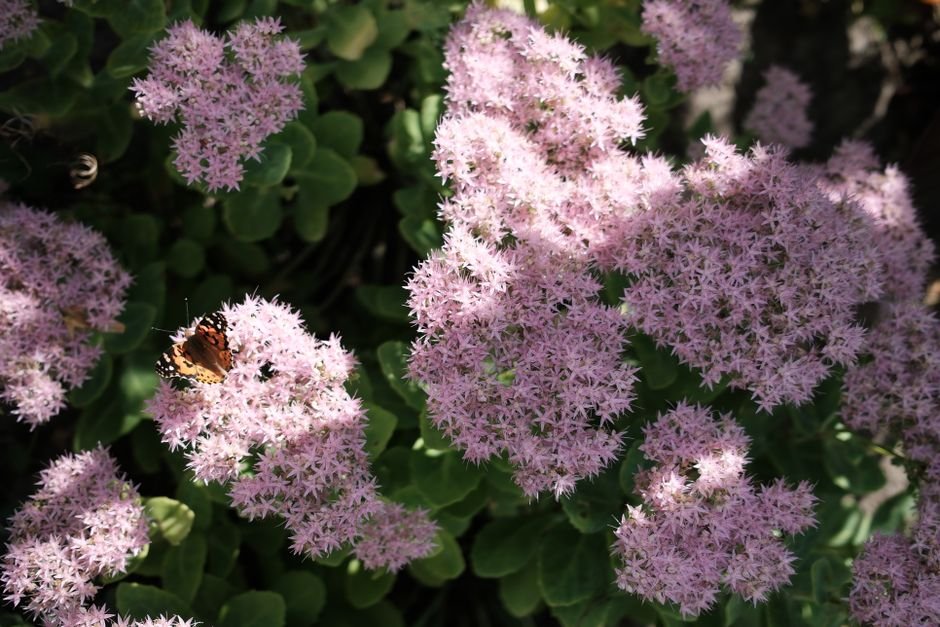
Attracting butterflies and birds to your garden can increase local biodiversity and pollination by up to 200%. The key is to include specific native plants that provide the necessary resources these creatures depend on, rather than just focusing on bright blooms or popular choices.
When I first embarked on my gardening journey, I made the common mistake of choosing exotic plants based solely on appearance. It quickly became clear that many of them simply do not provide the food and shelter that local butterflies and birds need. If you want to grow plants that attract butterflies and birds, here’s what I learned and what you should consider.
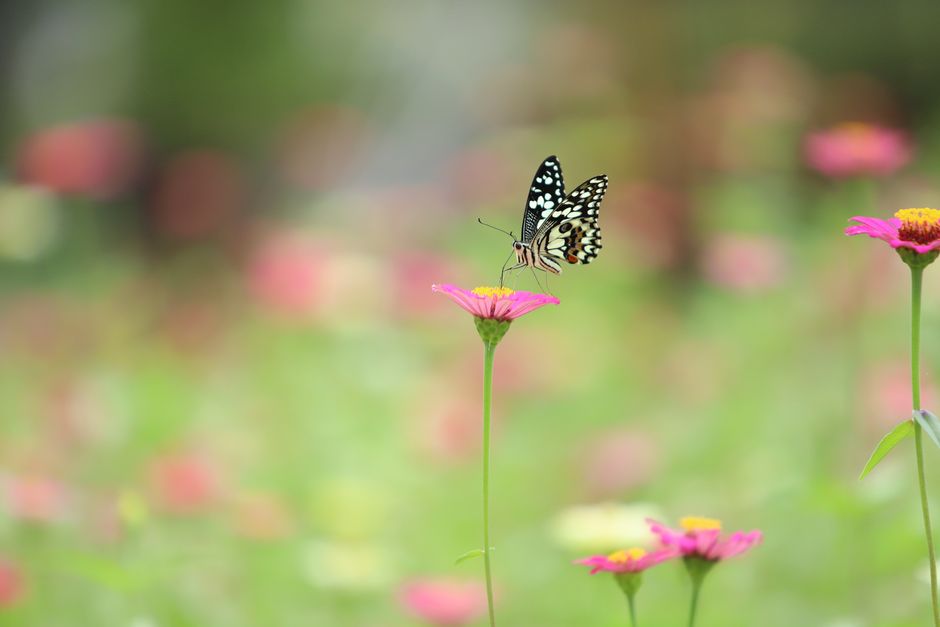
Choosing the Right Plants for Your Garden
Understanding the needs of the wildlife you want to attract is key. Native plants are a game-changer in this regard. They have evolved alongside local fauna, making them more appealing to butterflies and birds. For example, a simple plant like milkweed is crucial for monarch butterflies, as it’s the only plant on which they lay their eggs.
By planting native species, you not only support local wildlife but also decrease the amount of water and maintenance your garden needs.
Additionally, consider including a variety of plants that flower at different times throughout the growing season. This ensures a constant supply of nectar for butterflies and seeds for birds as seasons change. Many people underestimate how important this is; when late summer comes, gardens filled with only early-season flowers fail to provide the necessary sustenance.
Creating a Diverse Pollinator Habitat
Variety is vital in creating a welcoming environment for birds and butterflies. A successful pollinator habitat incorporates trees, shrubs, and flowers. For instance, berry-producing plants such as elderberry and dogwood attract birds while zinnias and coneflowers entice butterflies. Aim for a mix of plant heights; layering your garden can create different niches for wildlife to thrive in.
I’d recommend placing taller plants at the back and shorter ones at the front to establish visibility and accessibility for all garden visitors.
Also, consider integrating some grasses and ground covers, as these can provide nesting sites and cover for many bird species. If you focus solely on flowers, you may miss out on the complex dynamics of a truly wildlife-friendly garden.
Water and Shelter: Essential Elements
Water sources are just as crucial as the plants themselves. Birds need water not only for drinking but also for bathing. I’ve found that incorporating bird baths or small water features into my garden invites avian visitors all year long.
However, keeping it clean is important; you need to regularly change the water to avoid algae buildup and prevent potential health issues for your feathered friends. If you’re unsure about maintenance, an article on how to keep bird bath water clean without chemicals offers some great strategies.
Shelter options like shrubs and dense plantings provide necessary protection for birds from predators. Make sure to leave some natural areas within your garden as well, as fallen leaves and native grasses can create excellent habitats. I’d encourage you to observe local wildlife habits; it quickly becomes clear how interconnected food, water, and shelter are for attracting diverse species.

Maintaining Your Wildlife-Friendly Garden
Once you’ve planted and established your garden, ongoing maintenance is key. Allow some plants to go to seed at the end of the growing season, as many birds rely on these seeds for food during winter months. Also, resist the temptation to tidy up too much; leaving some areas a bit messy can actually be beneficial for local wildlife.
Many gardeners mistakenly believe that a well-manicured garden is better, but it often limits habitat availability.
If you’re actively managing your garden, consider the soil health as well. Healthy soil means healthy plants, which, in turn, means more food for wildlife. For a deeper dive into soil management, I recommend my complete guide to improving soil health, which outlines effective practices to keep your garden thriving. Additionally, learning about how to grow plants that attract butterflies and birds can enhance your gardening success.
Related reading: indoor plants reviews.
Conclusion: Commit to Your Local Ecosystem
To effectively attract butterflies and birds, prioritize native plants like milkweed for butterflies and sunflowers for birds. Those gardening in urban areas should consider container gardening to maximize space, while rural gardeners might benefit from creating dedicated wildlife zones to support the local ecosystem.
Frequently Asked Questions
What plants are best for attracting butterflies?
Plants such as milkweed, coneflower, and asters are excellent for attracting butterflies due to their rich nectar. Additionally, including host plants like parsley and dill will encourage butterflies to lay their eggs.
How do I create a garden for birds and butterflies?
To create a garden for birds and butterflies, incorporate a variety of nectar-rich flowers, native plants, and host plants. Add water sources like birdbaths and ensure there are places for birds to perch and shelter.
Which flowers do butterflies and birds prefer?
Butterflies are drawn to flowers like echinacea, zinnias, and lantanas, while birds typically prefer sunflower, canna, and hibiscus. Opting for a mix of these flowers ensures both butterflies and birds have food sources.
Can I attract hummingbirds and butterflies with the same plants?
Yes, you can attract both hummingbirds and butterflies with plants like salvia, bee balm, and trumpet vine, which offer nectar for both. Choosing a variety of these plants will create a vibrant habitat for both species.
Why are native plants better for wildlife gardens?
Native plants are better for wildlife gardens because they are adapted to the local climate and soil, making them easier to grow and more resilient. They also provide essential food and habitat for local wildlife, supporting biodiversity.