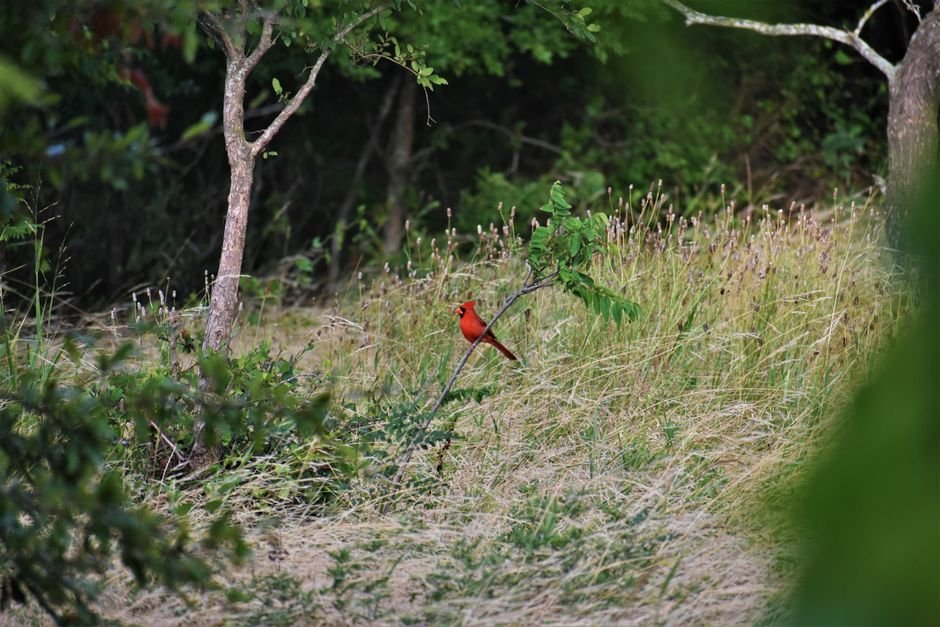
Cardinals are highly attracted to specific types of plants that align with their natural diet, such as sunflowers and dogwoods. By incorporating these plants into your garden, you significantly increase your chances of seeing these striking birds visit your space.
When you seek to create a haven for cardinals, you should focus on plants that produce food, provide shelter, and create a suitable environment for nesting. Understanding what plants attract cardinals will help you make more informed choices that effectively encourage their presence in your yard.
Cardinal Feeding Habits
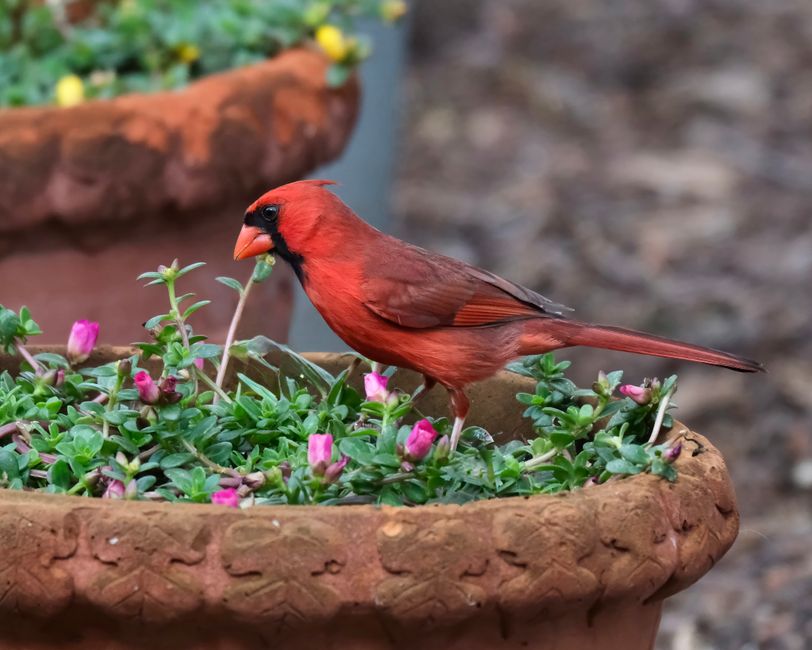
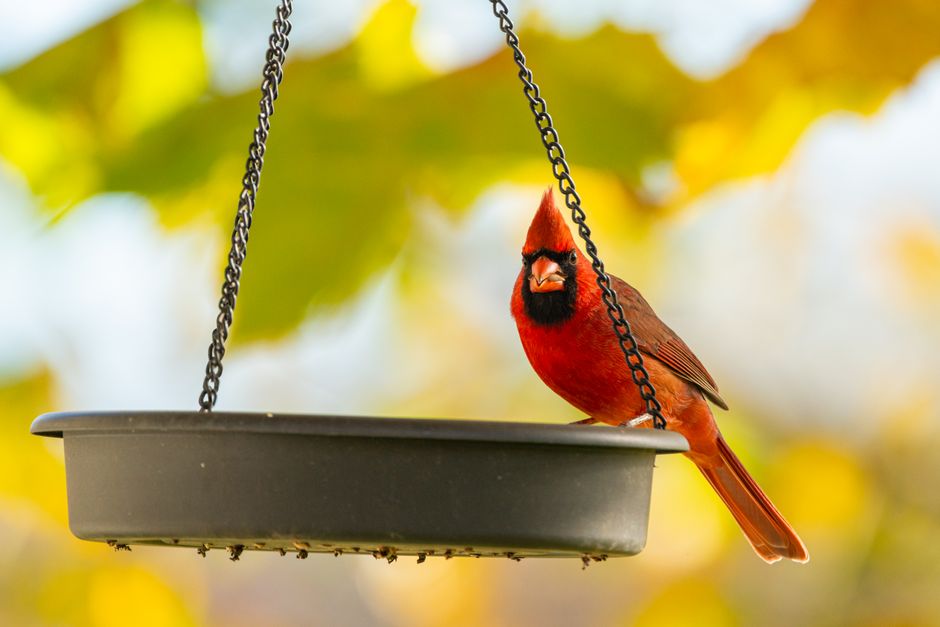
Cardinals are primarily seed-eaters, enjoying a diet rich in grains, seeds, and fruits. Their sharp, conical beaks are built for cracking open seeds, which is why you’ll often find them foraging on the ground. The misconception that cardinals won’t eat from feeders is common; in reality, they are quite comfortable feeding in this manner, especially if the seeds are appealing to them.
In my experience, cardinals particularly enjoy sunflower seeds, safflower seeds, and shelled peanuts. If you place seed feeders that dispense these options, I guarantee you’ll attract cardinals more effectively than with typical birdseed mixes. In addition to seeds, they are fond of berries and fruits, which will lead us to the next crucial factor in attracting them: the proper plants.
Top Plants to Attract Cardinals
Creating a garden that appeals to cardinals means choosing a mix of native plants that provide both food and shelter. I can’t stress enough how valuable native plants are because they flourish in your local ecosystem and are more likely to produce the food cardinals need. Here are a few standout species that have proven effective:
- Dogwood: The red berries of dogwoods are an irresistible winter food source for cardinals.
- Serviceberry: These trees and shrubs offer berries rich in nutrients that attract cardinals during the summer.
- Eastern Red Cedar: This is a great option for providing year-round cover and nests, while also producing berries.
- Sunflowers: They are a staple offering seeds that mature in late summer and early fall, drawing in cardinals.
- Pokeweed: While some may classify it as a weed, its berries are particularly favored by cardinals.
Setting these plants within your garden can help create a thriving ecosystem that attracts not only cardinals but also other bird species. Remember to mix heights and textures for a layered look that provides shelter and visibility.
Common Mistakes to Avoid
While many bird lovers are enthusiastic about attracting cardinals, there are pitfalls to avoid. One major mistake is planting non-native species that don’t serve the needs of local wildlife. For instance, showy ornamental plants may look beautiful but often fail to provide the nutrients or shelter birds seek.
Another common error is neglecting maintenance. Ensuring that your plants are healthy and free from invasive species is crucial. Allowing shrubs to overgrow can reduce the visibility cardinals prefer, making it less likely for them to visit. Regularly trim back overgrown areas while maintaining a natural, inviting habitat.
Creating the Right Environment
Besides choosing the right plants, consider your garden’s overall setup. Cardinals love open spaces where they can forage for seeds and quickly escape into nearby cover. Employ a mix of taller plants for shelter while keeping feeding stations clear of overhanging branches that might obstruct their access.
Water sources are also attractive to cardinals. A birdbath can be an excellent addition, providing drinking and bathing areas. Be sure to replace the water regularly to keep it fresh and inviting.
We cover led grow lights in more depth separately.
There is more on garden maintenance checklists elsewhere on the site.
Your Next Steps
Now that you have a plan, begin by assessing your current garden layout. Identify where you can replace less beneficial plants with those that cardinals naturally favor. I recommend starting with a few native species and observing how they flourish in your garden. Experimenting with different combinations of plants will help you refine your space into a true cardinal sanctuary.
If you’re also interested in learning about feeding cardinals, I have a detailed guide on that here: What Kind of Seed is Best for Feeding Birds?. This can enhance your efforts by pairing plant choices with the right types of food placed in a feeder.
Frequently Asked Questions
What types of plants attract cardinals?
Cardinals are attracted to plants that produce seeds, berries, and fruits. Ideal plants include dogwoods, hawthorns, and serviceberries, which provide ample food sources for them.
How can I make my garden more appealing to cardinals?
To attract cardinals, you can add native shrubs and trees that produce berries and seeds, offer nourishment year-round. Additionally, providing a reliable water source and shelter, such as dense bushes, will enhance your garden's appeal.
Why do cardinals prefer certain plants?
Cardinals prefer certain plants because they provide essential food sources, cover for nesting, and are often found in habitats that suit their lifestyle. The seeds, fruits, and berries from these plants meet their dietary needs.
Can planting certain trees attract cardinals?
Yes, planting specific trees can attract cardinals, particularly those that produce fruit or seeds. Trees like oak, maple, and mulberry are excellent choices as they offer food and create a suitable environment for nesting.
What flowers are best for feeding cardinals?
Cardinals are attracted to flowers that produce seeds, such as sunflowers and coneflowers. These flowers not only provide nourishment but also enhance the visual appeal of your garden.