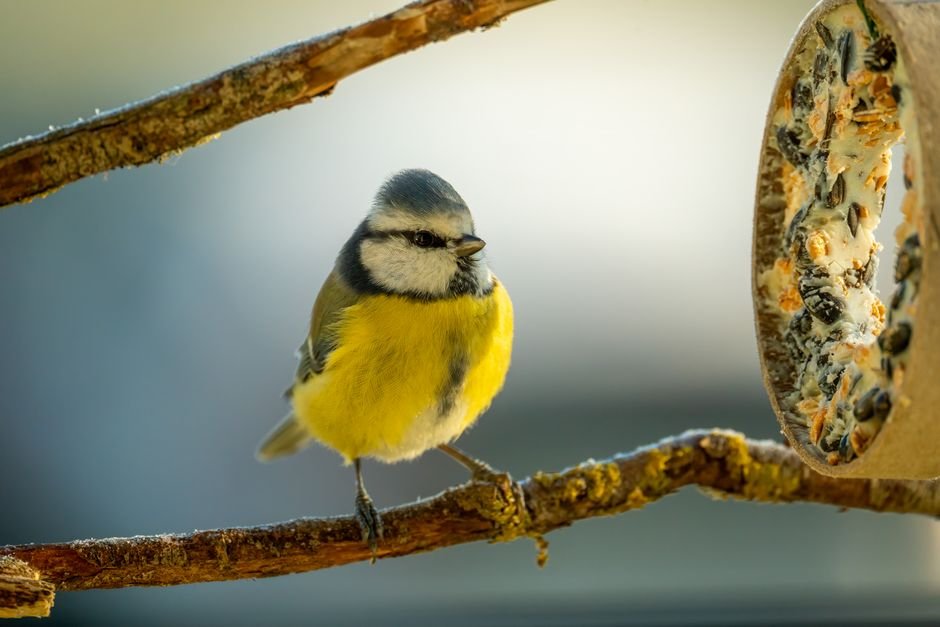
Over 50% of gardeners report a decline in bird visits due to neglected feeders and unsuitable environments. To attract birds, assess your setup and environment closely and identify any simple mistakes you might be making. Small changes can significantly improve your chances of seeing a variety of birds in your garden.
Firstly, assess how birds perceive your space. Some gardens may appear inhospitable, leading birds to seek out alternative locations. Let’s explore some common reasons birds ignore gardens and what you can do to reverse this trend.
Common Reasons Birds Ignore Gardens
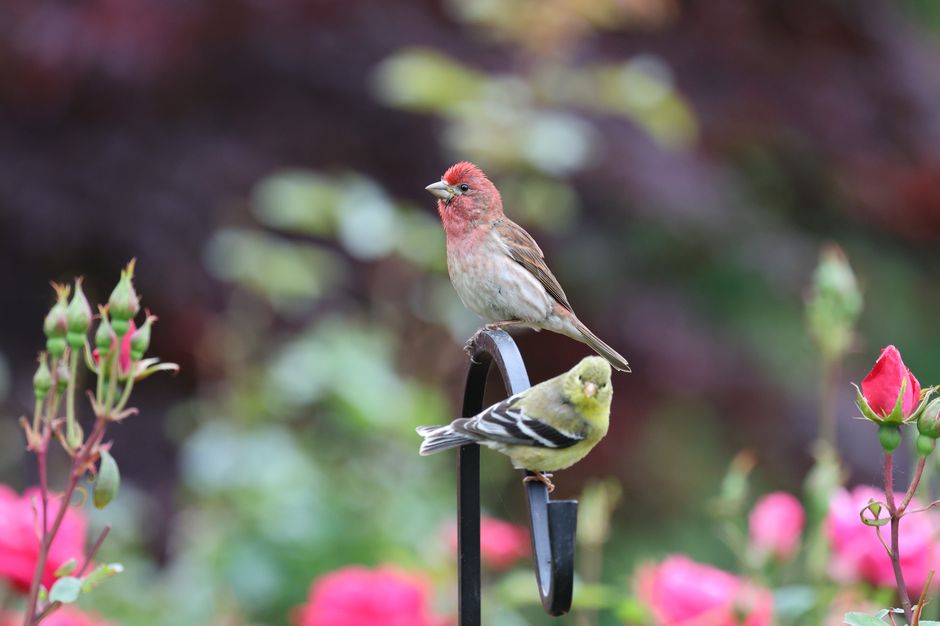
A significant reason birds might not frequent your garden is the lack of appropriate food sources. If your bird feeders are empty or the seeds aren’t to the birds’ liking, they’ll take their appetite elsewhere. This is a prevalent issue; many individuals simply refill their feeders without considering the actual preferences of the local bird population.
If you’re primarily using sunflower seeds, remember that some species prefer suet or mixed seeds.
Another element that can deter birds is your garden’s environment. Birds need safe spaces to land and forage, so if your garden feels open and exposed, think barren ground without shrubs or trees, they might find it less attractive. It’s important to create layers of vegetation, which provide shelter and nesting opportunities.
Many people often overlook deeper plant choices, such as dense foliage or flowering plants, which can better attract a variety of species.
Moreover, consider bird migration patterns. Many birds migrate seasonally, which might influence their presence or absence in your garden. If you’ve recently had feathered visitors and they’ve stopped showing up, it might just be that they’ve moved south for the winter or north for the breeding season. Keep an eye on local migration timings so you can align your bird-friendly efforts accordingly.
How to Make Your Garden Bird-Friendly
To start bringing birds back, it’s essential to rethink your feeder setup. I recommend placing feeders in spots that are visible yet sheltered. Consider using a variety of feeders and rotate food options frequently. This tactic helps establish a reliable feeding location, attracting different species. Remember to clean feeders regularly, too; moldy or spoiled seeds can chase birds away.
Next, integrate native plants into your garden design. Native varieties often provide better food and shelter, as they’re more attuned to the local ecosystem. Adding berry-producing shrubs can attract fruit-loving birds, while seeds from flowering plants can benefit ground-feeders. This approach may be slightly more effort than simply throwing out seeds once a week, but the payoff in bird diversity is worth it.
Finally, ensure there’s a fresh water source nearby. A bird batheven a simple one, can significantly increase the likelihood of birds visiting your garden. Birds will flock to clean, still water for drinking and bathing, especially in the dry summer months.
The Role of Habitat Structure
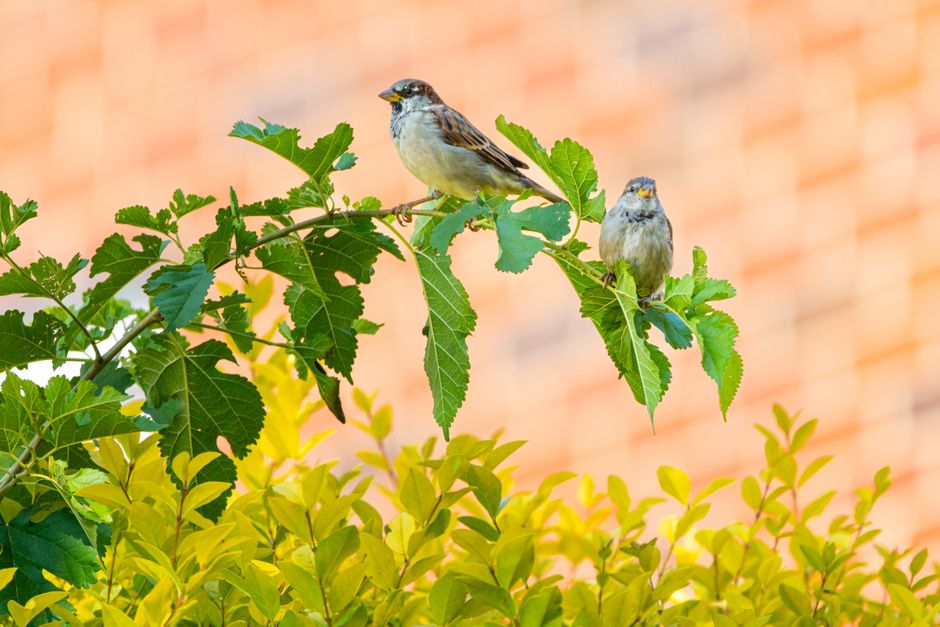
Creating a visually stimulating habitat structure is vital. Birds naturally prefer environments that provide cover and plenty of perches. Adding different layers of vegetation, grasses, shrubs, and trees, will encourage more species to visit. Try planting clusters of flowers or diverse plant heights to provide both cover and identification cues. This richness not only supports birds but also enhances your gardening experience.
Many home gardeners overlook that the structure also matters. For instance, leaving dead patches or snags can encourage insect populations, which serve as a food source for insectivorous birds. Overly manicured spaces may reduce the insects birds rely on, making your garden less appealing altogether.
Evaluate Your Approach Regularly
To improve your birdwatching experience, consider installing native plants that provide natural food sources or updating your feeders to attract specific species. This approach suits both novice gardeners looking for easy solutions and experienced ones seeking to enhance their habitats for more diverse avian visitors.
There is more on clean garden elsewhere on the site.
Frequently Asked Questions
Why are birds avoiding my garden?
Birds may avoid your garden due to a lack of food sources, such as seeds, berries, or insects. Additionally, disturbances like noise, high foot traffic, or the presence of pets can deter them.
How can I attract more birds to my garden?
To attract more birds, ensure you provide a variety of food options such as birdseed, suet, and fruits. Adding bird baths for water and creating shelter with shrubs or trees can also encourage more frequent visits.
Do birds dislike certain plants in gardens?
Yes, some birds may avoid gardens with plants that do not provide food or nesting opportunities. Choosing native plants that produce seeds, berries, or nectar can be beneficial in attracting specific bird species.
What changes can I make to attract birds?
Consider adding bird feeders stocked with a variety of seeds, and plant native flowering species to attract insects. Additionally, providing clean water sources and creating cozy hiding spots with bushes or trees can further entice birds.
Are predators keeping birds away from my garden?
Yes, the presence of predators, such as cats or hawks, can discourage birds from visiting your garden. Keeping pet cats indoors and providing vertical cover for smaller birds to hide can help reduce this issue.
For further assistance in troubleshooting why birds aren’t visiting my garden, you might find this video resource helpful.