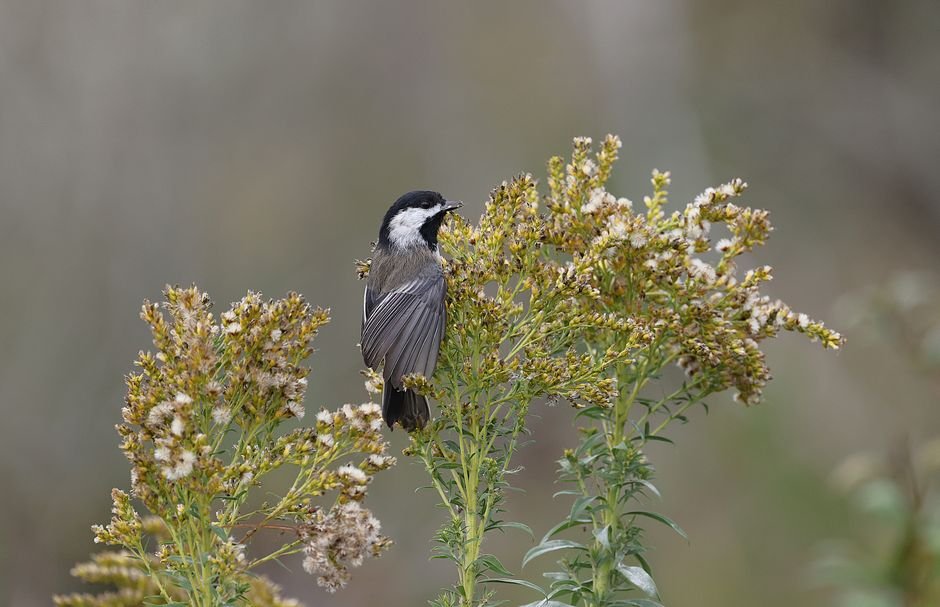
Bird-friendly gardens can boost local bird populations significantly, with some studies showing an increase of up to 30% when native plants are used. Incorporating native plants provides essential food and shelter for birds while supporting local ecosystems. Here are nine native plants that attract a variety of bird species to your yard.

1. Eastern Red Cedar (Juniperus virginiana)
The Eastern Red Cedar is an exceptional choice for attracting a variety of birds. Its dense foliage offers essential cover for nesting, while its berries serve as a food source during the colder months. This hardy tree can grow up to 40 feet tall and thrives in various soil types, making it suitable for most backyards.
Plus, it’s a magnet for species like mockingbirds and cedar waxwings.
If you’re considering this tree, be aware that it may require some pruning to maintain its shape and size, especially if space is limited.
2. Black-Eyed Susan (Rudbeckia hirta)
This bright yellow perennial not only livens up your garden with its sunny blooms but also attracts essential pollinators and birds. Black-Eyed Susans offer seeds that finches and other birds love during the late summer and fall. These plants are easy to grow and can thrive in a range of conditions, making them an excellent option for any wildlife-friendly space.
Plant them in groups for a more striking visual effect and to enhance their attractiveness to birds.
3. Bee Balm (Monarda didyma)
Bee Balm is not only a stunning addition to your garden but also a powerful magnet for pollinators and hummingbirds. Its tubular flowers thrive in sunny spots and attract these birds searching for nectar. Taller varieties can reach heights of 4 feet, making them great for the back of a flower bed.
To keep them blooming throughout the season, deadhead spent blooms promptly, this will not only look tidier but also encourage more flowers.
4. Serviceberry (Amelanchier spp.)
Serviceberry is a versatile shrub or small tree that produces sweet, berry-like fruits that birds adore. It’s a fantastic choice if you’re looking to also enhance your garden’s aesthetics; in spring, it dazzles with white blossoms, and in the fall, it flaunts vibrant red foliage. This plant attracts several species, including robins and jays.
Consider planting several serviceberries to increase your chances of fruiting and to attract more birds to your area.
5. Milkweed (Asclepias spp.)
As a well-known host plant for monarch butterflies, milkweed also attracts birds that feast on its seeds. This plant creates a natural habitat, offering shelter and food for other wildlife as well. Growing milkweed can feel rewarding for any gardener dedicated to fostering biodiversity; its flowers are also highly attractive to hummingbirds.
Be sure to choose native milkweed species for your area to support local ecosystems effectively.
6. Switchgrass (Panicum virgatum)
If you want to add some vertical interest with high grasses, switchgrass is a fantastic choice. It can reach up to 6 feet tall and provides essential cover for birds, as well as seeds, particularly in winter. This native grass can thrive in varied conditions, including poor soil, making it an easy addition to any garden.
In addition, it’s drought-tolerant, which is a plus for those looking to conserve water.
7. Carolina Jessamine (Gelsemium sempervirens)
This beautiful vine boasts fragrant yellow flowers that attract hummingbirds with their juicy nectar. Carolina Jessamine is evergreen, providing year-round cover and habitat. The vine can climb to about 20 feet, making it ideal for trellises or fences.
Keep in mind that you need to provide some support structure for the vine to climb effectively; others might not offer sufficient height.

How to Choose
Include plants like elderberry for attracting fruit-eating birds and coneflowers for seed-eating species. Choose a variety of flowering shrubs and plants to cater to different bird preferences. Be patient as your garden matures; it takes time, but the resulting biodiversity will be worth the wait.
We cover indoor plants reviews in more depth separately.
We cover indoor plants reviews in more depth separately.
Frequently Asked Questions
What are the best native plants for birds?
The best native plants for birds include species like coneflowers, asters, black-eyed Susans, and various types of berries such as serviceberry and elderberry. These plants provide essential food sources, including seeds and fruits, as well as critical habitats for nesting.
How do native plants benefit birds?
Native plants benefit birds by providing them with food sources such as seeds, nectar, and fruits that are adapted to local bird species. Additionally, they offer shelter and nesting sites that are crucial for birds' breeding and survival.
Why are native plants better for birds?
Native plants are better for birds because they have co-evolved with local wildlife, making them a more compatible food source and habitat. They support the specific insects that birds rely on for protein and are typically more resilient to local pests and diseases.
Can native plants attract more birds?
Yes, native plants can attract more birds by offering diverse food options and natural habitats that appeal to various species. A garden rich in native flora can create an inviting environment, increasing both bird diversity and population. Moreover, using native plants for birds is crucial in this regard.
How to create a bird-friendly garden with native plants?
To create a bird-friendly garden with native plants, start by researching which native species thrive in your area and provide food and shelter for birds. Plant a variety of native shrubs, trees, and flowers, and avoid using pesticides to create a safe and inviting ecosystem for birds.