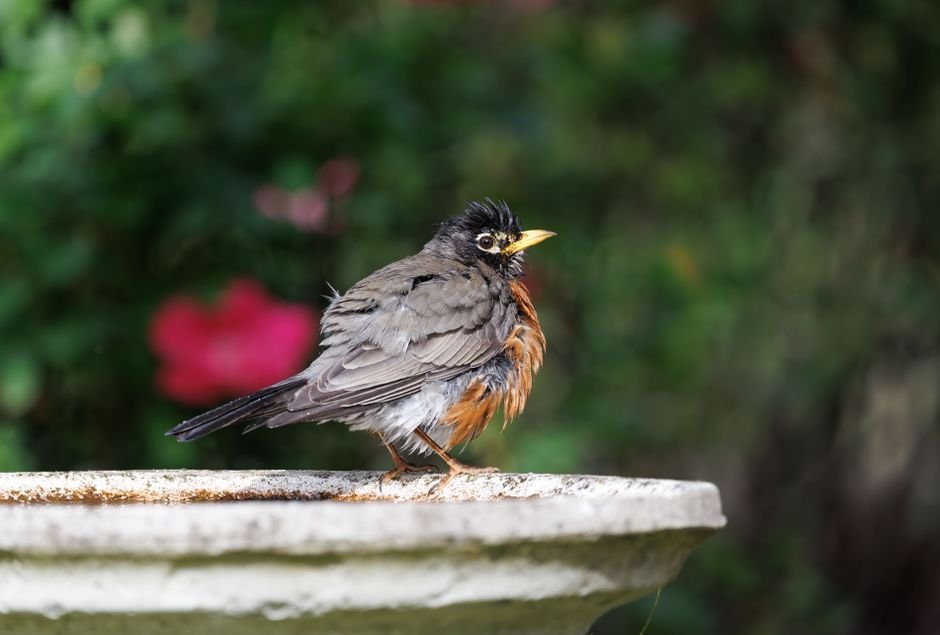
Mold can appear in your bird bath within just a few days, posing health risks to birds and requiring immediate attention. After seeing this issue myself, I learned that regular maintenance is key to keeping your bird bath clean and safe for your visitors. Fortunately, there are effective methods to eliminate mold and keep the bath inviting.
To combat mold effectively, you’ll want to first understand what causes it and how to prevent its return. Regular maintenance is vital, and implementing proactive measures will save you a lot of headaches down the line. Let’s explore the steps you should take when you find mold in your bird bath.

Why Does Mold Grow in Bird Baths?
Mold thrives in damp, warm environments, and your bird bath can provide the perfect setting. It can grow quickly, especially during hot weather when the water in the bath becomes stagnant. The combination of organic debris, leaves, and algae further promotes mold growth.
Many people underestimate the rate at which these factors combine to foster a moldy environment, in just a week or two, you could have a serious issue on your hands.
Understanding the conditions that lead to mold growth in your bird bath enables you to take proactive steps in maintaining it. Not only does mold create an unsightly setting, but it can also be harmful to birds, making it essential to address the issue before it escalates.
Best Natural Cleaning Methods for Mold Removal
When it comes to cleaning mold effectively, I prefer using natural cleaning solutions that are safe for birds and the environment. One of the simplest methods I’ve found involves a mixture of white vinegar and water, making it a go-to choice. Mix equal parts of vinegar and water in a spray bottleand generously spray the affected areas.
Let this sit for about 15 minutes before scrubbing with a brush or sponge. The acidity of the vinegar helps break down mold without introducing harsh chemicals into the habitat.
Another effective cleaning solution is baking soda. Here’s how to use it: make a paste with baking soda and water, then apply it directly to any visible mold. After an hour, scrub it away with a brush, then rinse thoroughly. This method not only cleans but can deodorize as well, leaving your bird bath fresh.

Regular Maintenance to Prevent Mold Growth
Once your bird bath is clean, regular maintenance becomes incredibly important to keep mold at bay. I recommend changing the water every three to five days, as fresh water encourages drinking and bathing without allowing time for mold to flourish. If you notice algae or debris in the water, it’s best to clean it out immediately.
Additionally, placing your bird bath in a shaded area can limit sunlight exposure, making it less ideal for mold growth. You should also consider occasionally adding a bit of fresh gravel or stones; this promotes aeration and reduces the chance of stagnation, making your bird bath less hospitable to unwanted growth.
Environmentally Friendly Solutions
There are various eco-friendly products available that can help eliminate mold without harming the environment or your visiting birds. Brands often create bird-safe cleaner formulations specifically for bird baths and feeders. However, I still lean towards simple household items like vinegar and baking soda. They work just as effectively and save you money.
Be cautious with any store-bought cleaning solutions. Always read labels to ensure they’re safe for wildlife. Ultimately, the environment around your bird bath will thrive when you choose non-toxic options for cleaning.
What to Avoid When Cleaning Your Bird Bath
There are definitely some pitfalls to avoid while cleaning your bird bath. First and foremost, never use bleach or harsh chemicals. These substances can be toxic to birds, negating your efforts to create a safe environment. Additionally, avoid abrasive cleaners or hard scrub brushes, as they can scratch the surface of the bath, allowing mold to take hold more easily.
Sometimes I notice that people tend to clean their bird baths sporadically, resulting in a build-up of mold. Set a schedule to keep the bath clean, rather than waiting until it looks unkempt. A little effort goes a long way, and regular checks help prevent more complicated issues.
The Final Verdict on Bird Bath Mold Management
So, what do I recommend for managing mold in your bird bath? Start with natural solutions like a vinegar-water mix or baking soda paste for immediate cleanup. Regular water changes and careful placement of your bird bath are crucial for long-term mold prevention. By staying vigilant and maintaining your bath, you create a beautiful and healthy oasis for birds to enjoy.
In the end, you want to foster a safe haven for the birds visiting your yard. It’s all about finding that balance between cleanliness and inviting a variety of species to your bath, maintaining their health while enjoying your time spent observing nature. For more on maintaining bird accessories, feel free to check out my article on the best hummingbird feeder.
Frequently Asked Questions
How does mold affect birds in a bird bath?
Mold can make the water in a bird bath unpalatable and unhealthy for birds, as they may avoid drinking or bathing in contaminated water. Additionally, mold can harbor harmful bacteria that may lead to health issues in birds.
What natural methods can clean mold in a bird bath?
Natural methods to clean mold include using a mixture of vinegar and water, which can effectively kill mold and is safe for birds. Scrubbing the bird bath with a brush and rinsing thoroughly with clean water will help remove any residual mold.
Can mold in a bird bath harm birds?
Yes, mold in a bird bath can harm birds by causing respiratory problems and gastrointestinal issues if ingested. It's important to keep the bird bath clean to ensure the safety and health of visiting birds.
Why does my bird bath keep getting moldy?
Bird baths can become moldy due to stagnant water that provides an ideal environment for mold spores to grow, combined with organic debris like leaves and bird droppings. Additionally, warm temperatures and sunlight can accelerate mold growth.
Is using bleach safe for cleaning bird baths?
Using bleach is not recommended for cleaning bird baths, as the residue can be harmful or toxic to birds. Instead, opt for milder natural cleaners like vinegar or baking soda that are safer for wildlife.