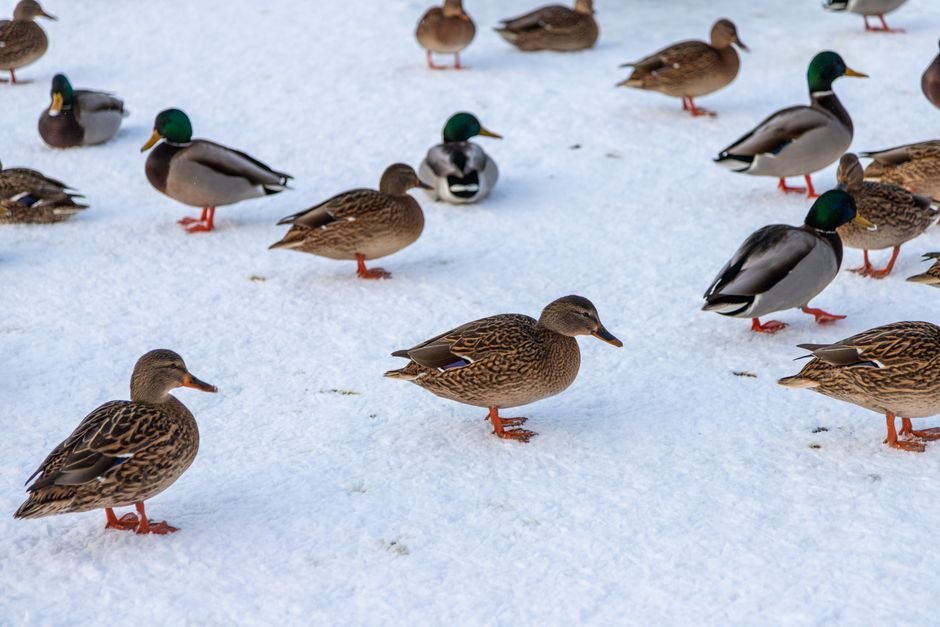
Each winter, upwards of 80% of bird baths can freeze solid, depriving birds of essential water. Fortunately, there are effective, non-electric methods to ensure that your bird bath remains a vital resource throughout the colder months.
Through personal experience and various methods I’ve researched, I can confidently share some effective ways to keep your bird bath usable all winter long. The actionable tips that follow can help ensure your outdoor water source stays inviting for the birds that rely on it.
Why Bird Baths Freeze in Winter
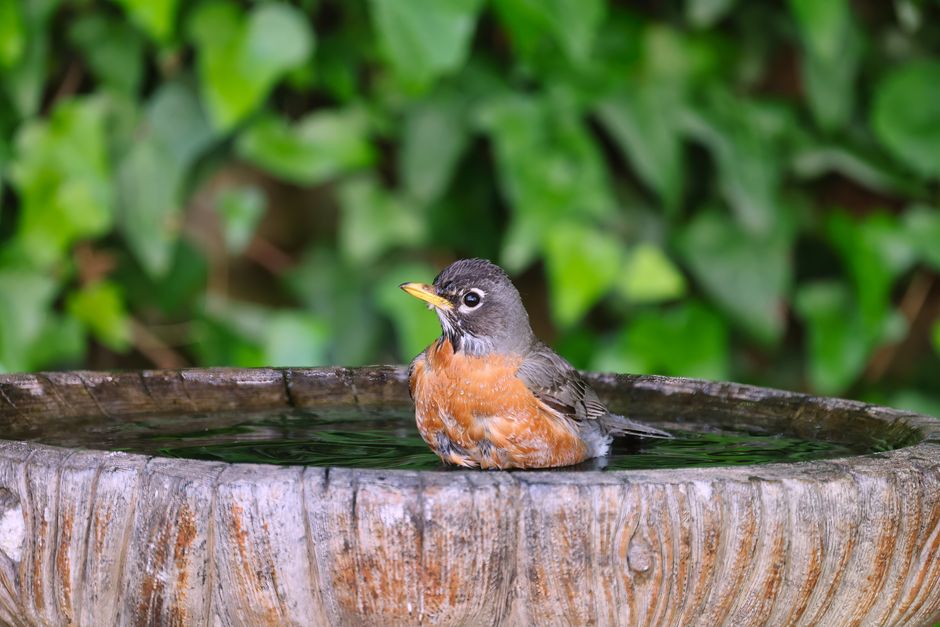
Bird baths freeze for several reasons, primarily due to temperature drops that cause the water to lose heat quickly. Shallow designs or smaller volumes of water freeze faster than deeper baths. Additionally, placement can play a significant role; if your bath is in direct wind or shaded areas, it is more prone to freezing.
Understanding these factors can help you make informed choices to keep your bird bath functional.

Choosing the Right Material
The material of your bird bath can greatly influence its ability to withstand freezing temperatures. Concrete or ceramic baths tend to retain heat better than plastic ones. When choosing a new bird bath, consider one that provides insulation by having a thicker base or choosing darker colors, as they absorb sunlight more effectively. This is an easy choice that can yield noticeable benefits.
Placing your bird bath strategically can also make a difference. Positioning it in a sunny area can help absorb some warmth from direct sunlight. If you have trees or shrubs nearby, ensuring the bath is in a spot with some wind protection is also crucial to prevent frost from forming quickly.
Electric and Non-Electric Heating Options
While I prefer non-electric options for consistency, knowing electric heating choices is essential if you’re aiming for a more maintenance-free solution. Electric bird baths come with built-in heaters that keep the water from freezing but require an energy source. If you decide to go this route, ensure your setup will remain safe and functional for the entire winter season.
For an environmentally friendly approach, using solar heating can help, especially if you live in an area with ample sunshine.
On the non-electric side, putting a safe, insulated cover over your bird bath at night can significantly reduce freezing, trapping heat while blocking the wind. I also recommend using cozy materials like old towels or blankets draped over the structure. If done correctly, these methods can provide adequate insulation and minimize the chances of the water freezing overnight.
Utilizing Natural Solutions
There are simple tricks to enhance your bird baths’ resistance to freezing. Many people overlook the use of stones or bricks, placing them in the bird bath can keep the water slightly warmer. The heat from the sun absorbed by these materials may radiate a bit into the water, delaying freezing.
Additionally, changing the water often, maybe even daily, can keep it fresher and more inviting. The agitation can prevent ice formation, as still water freezes faster than moving water.
Using a bird bath dripper or mister is another effective way to keep the water flowing and prevent it from freezing. These devices create gentle water movement, which does wonders during colder months. You can learn more about the differences between drippers and misters in my guide here.
Consistency is Key
One of the biggest lessons I’ve learned over the years is that maintaining a regular schedule for monitoring and filling the bird bath is essential. The colder months can sometimes mean additional effort, but even a few minutes each day makes a difference for the birds.
Keep a close eye on the weather, too, and prepare for extra visits if there’s a cold snap, ensuring water isn’t frozen for too long. It’s worth the effort to provide these essential resources for birds during their vulnerable winter months.
Final Recommendation: What Works Best?
For anyone serious about keeping their bird bath open throughout a cold winter, I would recommend investing in a quality electric heater for your bath. They’re reliable and can provide consistent warmth. However, if you’re looking for a non-electric solution, placing your bird bath under direct sunlight and using stones for insulation while monitoring water levels can give excellent results.
You may not need both methods, but experimenting will lead you to the approach that works best for your situation.
There are many ways to keep bird baths viable during the winter, and with a little planning and effort, you can create a welcoming space for birds even in the coldest months. If you’re also dealing with tips on attracting birds, I have a detailed guide on that here.
Frequently Asked Questions
What can I add to water to keep it from freezing?
You can add a bird bath heater or a de-icer specifically designed for outdoor water features. These devices help maintain a minimum temperature to prevent freezing even in colder weather.
Why does my bird bath keep freezing?
Bird baths can freeze due to low temperatures, especially during the winter months when temperatures drop below freezing. Additionally, shallow water can freeze faster than deeper water, so the design and placement of your bird bath can contribute to frequent freezing.
How do you make a bird bath freeze-proof?
To make a bird bath freeze-proof, consider installing a heated bird bath or using a de-icer. Ensuring that the bath is placed in a sunny area can also help reduce the chances of freezing. Additionally, you can learn more about how to prevent bird bath from freezing.
Can bird baths with moving water stay ice-free?
Yes, bird baths with moving water tend to stay ice-free longer than stationary water. The movement disrupts the formation of ice and helps maintain a slightly warmer temperature in the water.
Is it safe to use salt in bird baths?
No, it is not safe to use salt in bird baths as it can be harmful to birds and other wildlife that drink from the water. Salt can dehydrate birds and affect their health negatively.