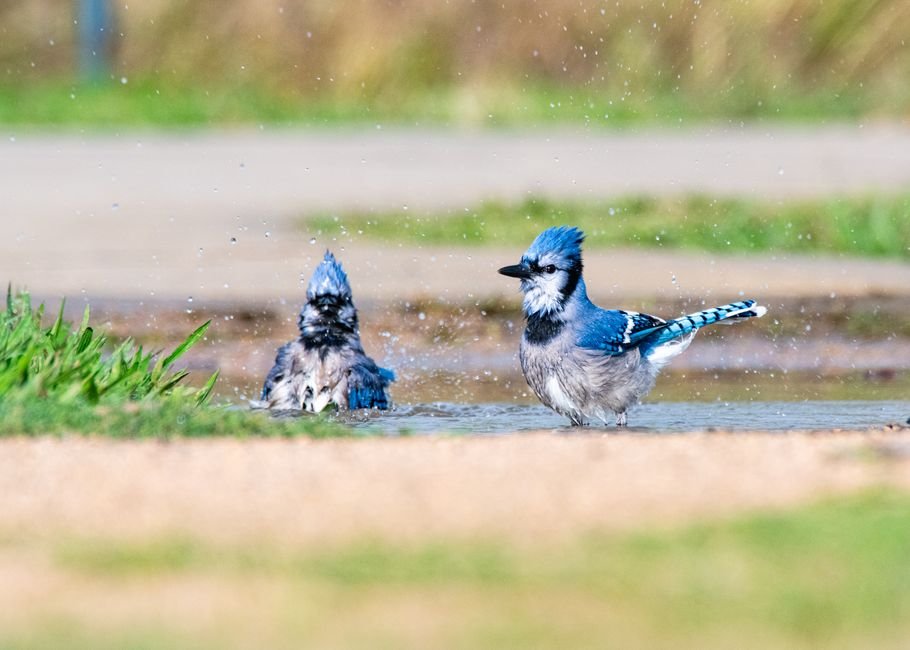
Bird baths can attract up to 30 different bird species in a single backyard if they are set up correctly. To keep these birds safe while they enjoy their baths, it’s essential to understand their behavior and implement safety measures. Here are some insights and tips that can help create a secure environment for your feathered guests.
One of the first aspects to consider is the placement of your bird bath. It’s vital to choose a location that is both accessible and secure. You want the bird bath to be easily noticeable for the birds, but also positioned away from areas where predators, like cats or hawks, could hide.
A bath placed too close to heavy brush or shrubs may not be ideal, as these can serve as cover for predators waiting to strike.
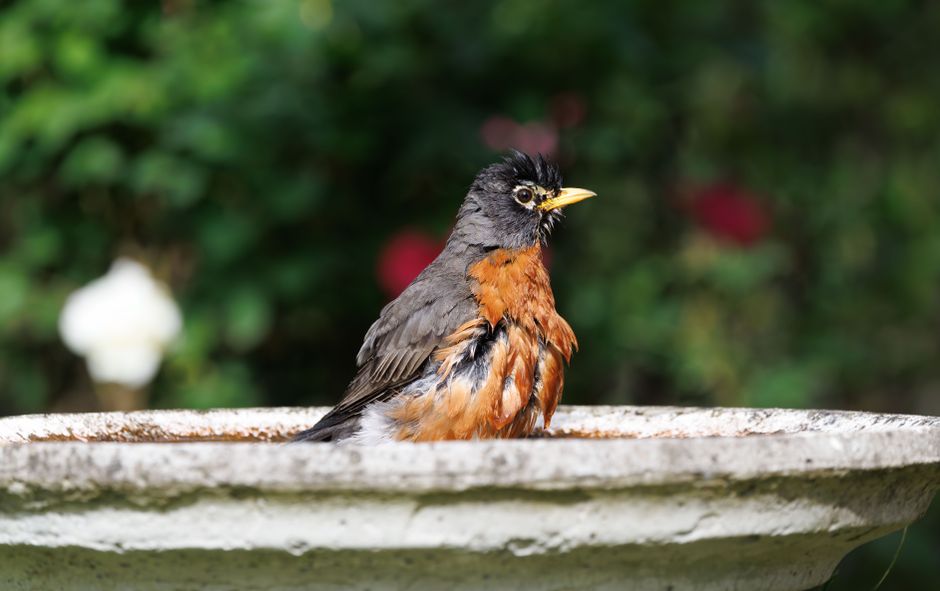
Choosing the Right Bird Bath Placement
When I set up my bird bath, I made sure to position it in an open area where birds could easily see incoming threats. Aim for a spot that’s about five to ten feet away from any nearby trees or shrubs. This distance allows birds to land safely, while still being close enough to feel comfortable.
Additionally, you can elevate your bird bath on a pedestal or slightly higher ground to give visiting birds a better vantage point.
Another key factor is to ensure that the bath provides a shallow area for the birds to stand in safely. I find that keeping the water level no deeper than two inches is perfect for most small birds. This depth allows them to bathe without any risks of drowning.
If you’re unsure about your bath’s depth, I recommend checking out the guide on how deep should a bird bath be for safe bird bathing.
Recognizing and Avoiding Bird Predators
What can scare birds away from your garden? The list is not short. Common predators include cats, hawks, and even larger birds like crows. Knowing how to keep birds safe around my bird bath means actively taking steps to deter these threats. One effective method is to maintain a tidy garden, keep the grass trimmed and bushes pruned.
This reduces hiding spots for predators and can make your garden less appealing to them.
Additionally, adding some decoys like owl statues or reflective objects can prevent smaller predators from getting too close. Birds are usually very cautious, and they’re likely to steer clear of anything that appears to pose a danger. So, if you notice that birds are avoiding your bath, consider implementing these deterrents to encourage them back.
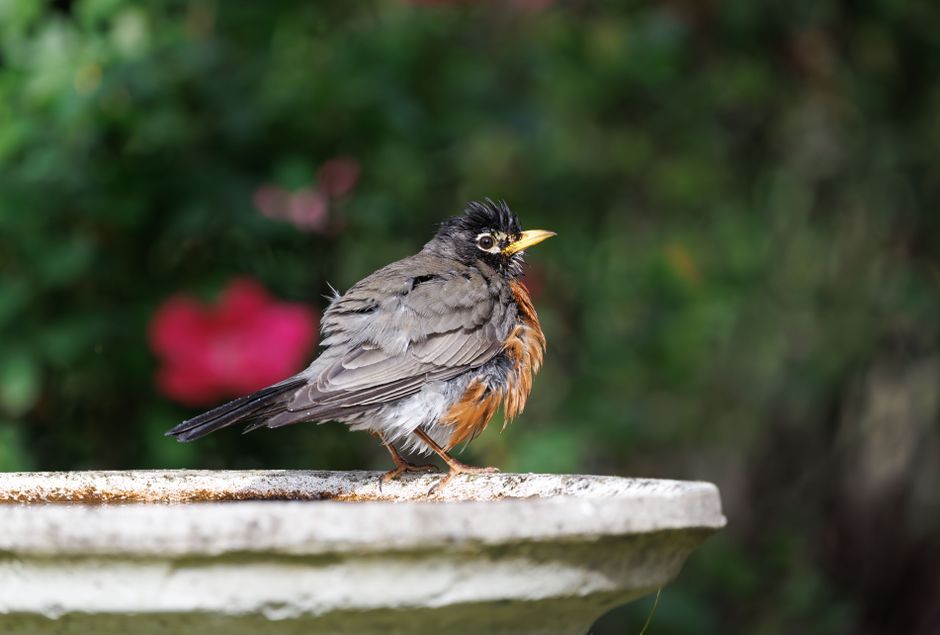
Using Natural Bird Repellents
While my goal is to attract birds, there are certain instances when I need to keep them out temporarily, like during periods of sickness. Natural bird repellents can help. For example, planting certain herbs like mint, basil, and dill near your bird bath can keep some birds at bay if needed, protecting those that are healthy while minimizing exposure to illness.
This works well since the strong scent of these plants often deters many birds without harming them.
Also, cleaning your bird bath regularly will help maintain bird health. This means changing the water frequently and scrubbing the bath to prevent algae buildup and the growth of harmful bacteria. If you’re unsure about how to keep your bird bath water clean, make sure to check out my article on how to keep bird bath water clean without chemicals.
A clean bath means healthier birds, which in turn attracts more visitors.
Final Recommendations for a Safe Bird Bath Experience
For the best protection of birds around your bath, consider adding natural cover like shrubs or trees for shelter, particularly suited for gardens with limited space. For areas with higher predator activity, installing a predator guard around the bird bath can be beneficial. These measures will help ensure that a diverse range of birds feels comfortable visiting your space.
Knowing how to keep birds safe around my bird bath is essential for creating a welcoming environment.
Frequently Asked Questions
How can I protect birds from cats?
To protect birds from cats, consider placing the bird bath in an open area with minimal cover nearby, making it harder for cats to ambush. Additionally, implementing physical barriers like fencing or using cat deterrent devices can help keep birds safe.
What is the safest bird bath location?
The safest location for a bird bath is a place that is sheltered from strong winds and direct sunlight, ideally surrounded by native shrubs or trees. This provides birds with a sense of security while giving them an escape route if predators are nearby.
Why do birds avoid my bird bath?
Birds may avoid your bird bath if it is not clean, lacks fresh water, or is placed in a location where they feel unsafe or threatened. Additionally, if the bath is too shallow or too deep, or if there are loud noises nearby, it may deter birds from using it.
Can chemicals harm birds in water?
Yes, chemicals such as pesticides, detergents, or any additives in the water can be harmful to birds. It’s crucial to ensure that the water in the bird bath is clean and free of contaminants to protect the birds that frequent it.
Is a deeper bird bath better?
A bird bath that is too deep may not be ideal, as many birds prefer shallow water where they can easily drink and bathe. A depth of 1 to 2 inches is generally recommended to accommodate a variety of bird species while ensuring safety.