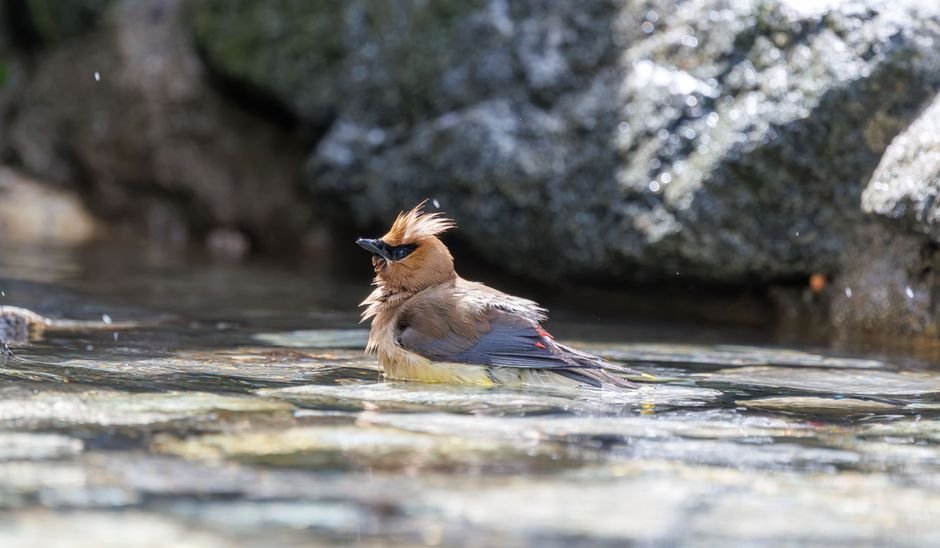
A neglected bird bath can become a breeding ground for mosquitoes within just a week. Keeping it clean doesn't require strong chemicals; simple, natural techniques can ensure the safety of the birds that visit your garden. Here's an effective approach to maintaining your bird bath.
Many bird bath owners underestimate the importance of regular cleaning. It’s not just about aesthetics; a dirty bird bath can harm bird health. Algae growth and standing water can lead to bacteria and disease, killing off the very wildlife you’re trying to attract. A clean bird bath becomes a safe haven for birds and allows you to enjoy their vibrant presence in your yard.
Why Bird Baths Need Regular Cleaning
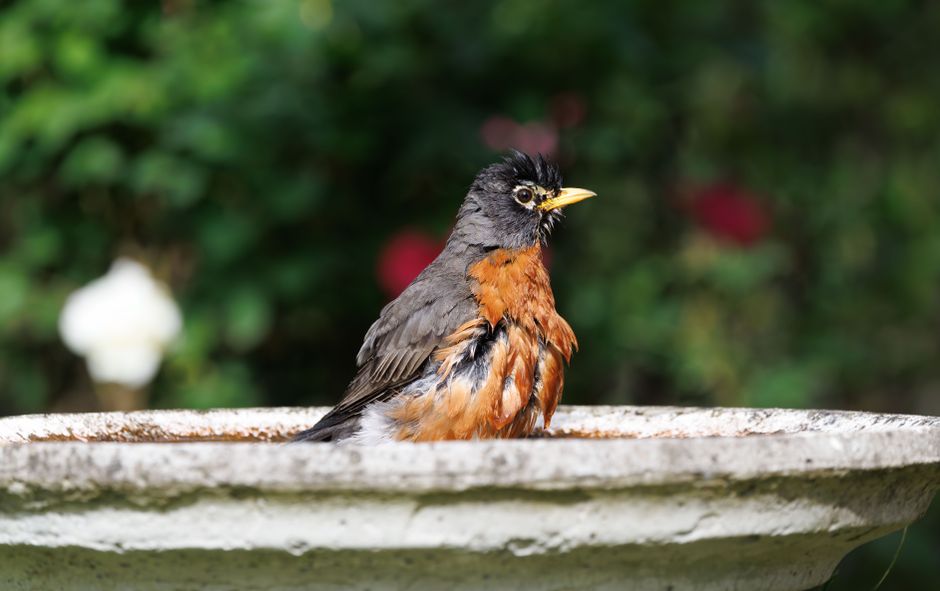
Regular cleaning is essential because stagnant water encourages algae growth, which can turn into a slimy mess. This isn’t just an eyesore; it can make birds sick. Birds naturally prefer fresh water that’s clean and free of contaminants. If you want to consistently attract birds, you need to ensure that their bathing place is inviting and safe.
Cleaning your bird bath at least once a week during the warmer months will prevent algae and bacteria from taking over.
Additionally, the frequency of cleaning should increase during hot weather when algae reproductive rates soar. A bird bath filled with unpleasant smells and visible dirt is less likely to be used. In my experience, after a good clean, you often see birds flocking back to it, especially if it’s a hot day and they’re looking for a refreshing dip.
Simple Steps for Regular Bird Bath Maintenance
The first step to keeping your bird bath clean is removing debris like leaves and twigs. Using a soft brush or cloth, scrub the sides and bottom of the bath to remove any grime. I usually start by emptying the water, rinsing the bath with a hose, and then using mild soap if necessary. Just remember to rinse it thoroughly afterward.
Any soap residue can be harmful to birds.
After you’ve cleaned the bath, refill it with fresh water. Ideally, you want to change the water every 2-3 days. If you’re using a stone or porous material for your bird bath, it may absorb some of the cleaning agents, so extra care should be taken to rinse it out completely.
Dealing with Algae Growth
Algae growth can be persistent, especially in sunny spots. If you find your bird bath turning green despite regular cleanings, consider positioning it in a location that receives partial shade. Reducing sunlight can significantly slow algae growth. If algae do appear, consider using a mixture of water and white vinegar to scrub and disinfect while being gentle on the environment.
Another helpful method is incorporating natural solutions like adding clean pebbles or sand to the bottom of the bird bath. These not only provide stabilization but also create a healthier ecosystem, as they can help filter the water naturally. It’s amazing how even a couple of tweaks can make a difference in maintaining your bird bath.
Natural Methods to Clean Your Bird Bath
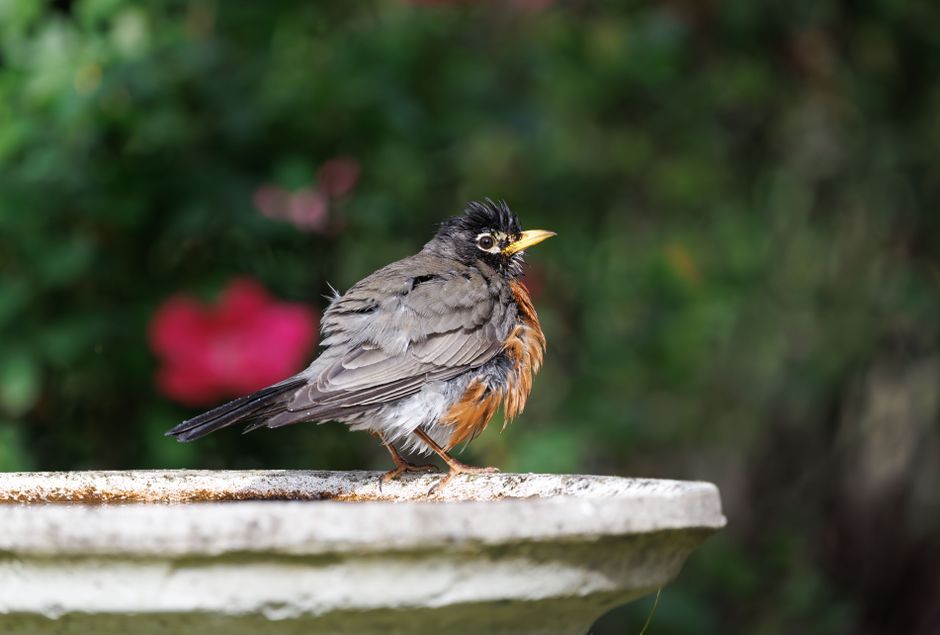
If you’re like me and prefer natural cleaning solutions, you can use a mixture of baking soda and vinegar. This combination works wonders for tackling tough stains and odors. Sprinkle baking soda inside your bird bath, spray it with vinegar, and let it sit for a few minutes before scrubbing. It’s not only effective but also environmentally friendly, no harmful residues left behind.
For those who are concerned about harsh chemicals affecting bird health, sticking to natural methods is crucial. I find that homemade solutions are just as good, if not better, in some cases. The result is a clean, fresh bathing spot that encourages birds to return time and again, especially if they can see the sparkling water from a distance.
Keeping Water Circulation in Mind
A stagnant bird bath can be a magnet for mosquitoes, algae, and bacteria. Thus, incorporating a water circulation system can be a game-changer. A simple fountain or a circulating water device can provide constant movement in the water and even attract more birds to your yard.
If you decide to install a water fountain it doesn’t have to be expensive or elaborate. Even small solar-powered versions can do the trick, creating gentle ripples that keep the water fresh and appealing. Moving water tends to remain clearer than stagnant water, making it visually inviting for birds.
Know When to Replace Your Bird Bath
Despite regular maintenance, you’ll eventually need to replace your bird bath. Cracks or stains that won’t come out even with thorough cleaning could indicate that it’s time for a new one. A damaged bath can pose a risk to birds, who could injure themselves on sharp edges.
Look for materials that can withstand the elements better, like ceramic or stainless steel, instead of cheap plastic options.
Investing in a durable bird bath can save you headaches in the long run, as it will either require minimal maintenance or last longer without the need for replacement. Plus, many come with natural-looking designs that can enhance your garden and backyard aesthetics.
Final Thoughts on Bird Bath Maintenance
Keeping your bird bath clean is a worthwhile investment in the health and happiness of your feathered visitors. Regularly cleaning, managing algae growth, and considering water circulation are key elements I believe should not be overlooked. You’ll find that a clean bird bath effectively attracts a variety of birds, enhancing your garden’s liveliness.
Incorporating simple natural cleaning methods not only helps in bird bath maintenance but also protects the wildlife you cherish. If you’re also interested in how to keep a bird bath clean, check out my guide here: How Deep Should a Bird Bath Be for Safe Bird Bathing?.
Spending a little time will yield greater enjoyment and keep your outdoor space vibrant.
Frequently Asked Questions
How often should I clean a bird bath?
You should clean your bird bath at least once a week to prevent the buildup of algae and bacteria. During hot weather or if you notice any debris, you may need to clean it more frequently.
Why does algae form in bird baths?
Algae forms in bird baths due to warm temperatures, sunlight, and organic materials like leaves and bird droppings. These conditions create an ideal environment for algae growth.
Can you use vinegar to clean a bird bath?
Yes, vinegar is a safe and effective natural cleaner for bird baths. It can help remove mineral deposits and mild algae, but should be rinsed thoroughly afterward to avoid any residue.
What is the safest way to clean a bird bath?
The safest way to clean a bird bath is to use warm, soapy water or a vinegar solution, scrubbing gently with a non-abrasive brush. Rinse the bath thoroughly with clean water to ensure no cleaning agents remain.
Does a fountain help keep a bird bath clean?
Yes, a fountain can help keep a bird bath clean by circulating the water, which reduces stagnation and discourages algae growth. The moving water also attracts more birds, providing them with fresh and appealing bathing conditions.