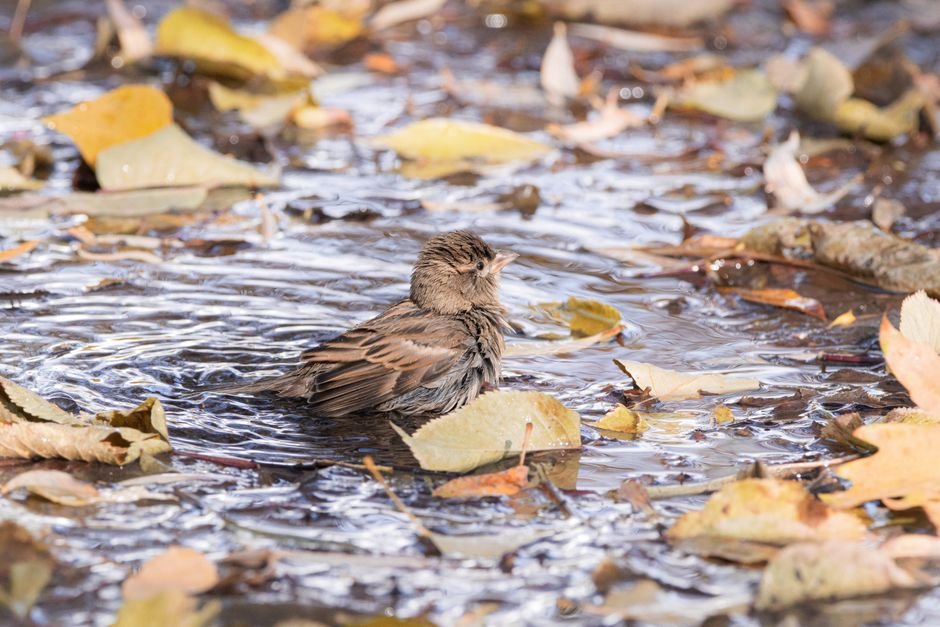
Change the water in your bird bath every two to three days to keep it fresh and appealing to birds. During hot weather or periods of high bird activity, consider changing it daily to ensure a healthy environment. Relying on a weekly schedule can compromise water quality and discourage birds from visiting.
Maintaining clean, fresh water is crucial for attracting a variety of birds to your yard and ensuring their health. Dirty, stagnant water can harbor bacteria and algae harmful to birds. No one wants to risk the well-being of our feathered friends or miss out on the vibrant life they bring.
So, let’s explore the details that will help you keep your bird bath as inviting as possible.

Why Regular Water Changes Matter
Changing the water in your bird bath affects the overall health of the birds visiting it. Fresh water ensures that birds are drinking and bathing in clean conditions, reducing the risk of disease. In fact, many common bird illnesses stem from unclean water sources, so it’s imperative to stay on top of this.
When I realized this, I felt a greater sense of responsibility about the cleanliness of my bird bath.
Additionally, clean water encourages more birds to visit. If you keep the water bright and fresh, you’ll attract a wider variety of species, each bringing unique beauty and songs. Remember, when birds see clear and crisp water, they’re more likely to come back repeatedly.
Factors Influencing Water Change Frequency
Several factors can influence how often you should change the water in your bird bath. The first is weather. During hot and dry spells, water evaporates faster, and birds may drink more often, increasing the need for changes. In cooler months, you might find that water remains fresher for longer, but you should still check for debris and algae regularly.
Another factor is the amount of bird activity. If you notice frequent visitors, especially larger flocks, the water can become dirty quickly. In these situations, I always err on the side of caution and change the water daily. Understanding these factors will help you maintain the best conditions for your feathered guests.
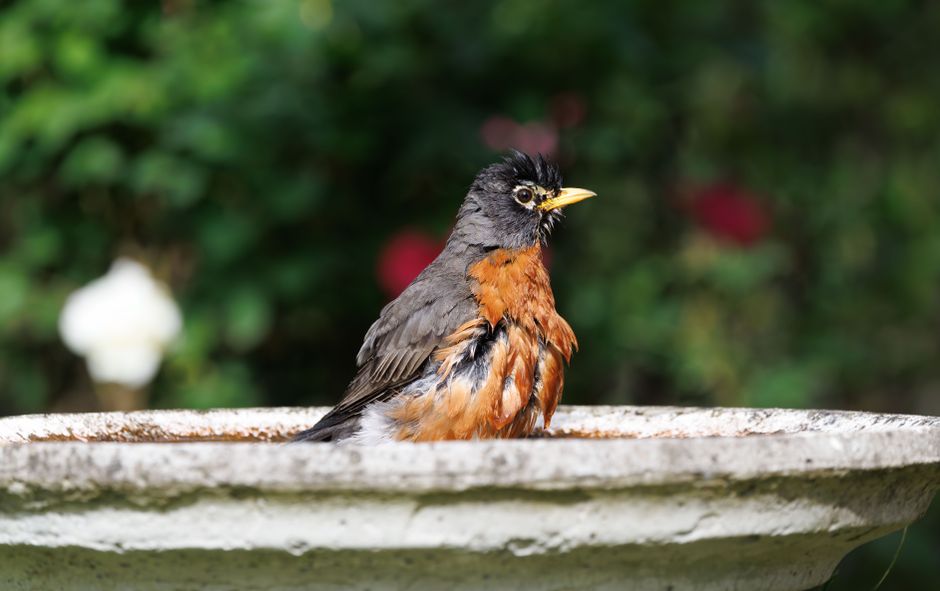
Best Cleaning Methods to Keep Water Fresh
To keep your bird bath in optimum condition, cleaning it during water changes can be beneficial. Use a mix of mild soap and water to scrub the bath; this will eliminate any algae or sludge that may have built up. Rinse thoroughly to ensure no soap residue remains, as this can be hazardous to birds.
I’ve found that a simple sponge works well for this task, and it doesn’t take long at all.
For a more natural approach, consider using white vinegar mixed with water. Vinegar is a natural disinfectant and helps eliminate odors without harming birds. Regular cleaning, especially when you notice any debris or buildup, ensures that your bird bath remains an attractive, safe haven.
Seasonal Maintenance Considerations
As seasons change, so do the needs of your bird bath. In the fall, falling leaves can clutter your bath, requiring more frequent cleaning and water changes. In the winter, don’t forget that water can freeze, and using a heater specifically designed for bird baths can help maintain a liquid source for your visiting birds.
Lastly, summer heat can encourage algae growth, so you might need to increase your water changes to combat this issue.
Planning for seasonal maintenance keeps your bird bath functional throughout the year. Keeping a schedule in mind can relieve the stress of forgetting. A fresh, well-maintained bird bath during every season ensures that you enjoy watching birds all year round.
Common Mistakes to Avoid
A mistake many people overlook is ignoring the water level. Low water levels can lead to dehydration for the birds. Make it a habit to check not just the water quality but also how much is in the bath. Another mistake is neglecting the area around the bath; if it gets messy, it may deter birds.
Keeping the surrounding area tidy can enhance the overall aesthetics and appeal.
- Change water at least every two to three days.
- Check water levels daily, especially in hot weather.
- Clean the bath regularly to prevent buildup.
- Maintain a clutter-free area around the bath.
- Plan for seasonal changes and adjust care accordingly.
Final Thoughts: Keeping Your Bird Bath Inviting
For optimal bird attraction, change the water every two to three days, especially during warm months or busy seasons. For those with high bird traffic, daily changes are advisable to maintain cleanliness. A fresh bird bath will invite more visitors and enhance your enjoyment of the outdoors. Learn more about how often should I change the water in my bird bath.
Frequently Asked Questions
How often should bird bath water be changed?
Bird bath water should be changed every two to three days to ensure it remains clean and appealing for birds. In hotter climates or during heatwaves, daily changes may be necessary to prevent algae growth and provide fresh water.
Why is it important to change bird bath water?
Changing bird bath water is important to prevent the buildup of bacteria and algae, which can be harmful to birds. Fresh water encourages birds to visit and helps maintain their health.
Can dirty bird bath water harm birds?
Yes, dirty bird bath water can harm birds by exposing them to harmful bacteria, parasites, and diseases. Contaminated water can lead to illness and negatively affect their immune systems.
How do seasons affect bird bath water change frequency?
In warmer months, bird bath water should be changed more frequently, potentially daily, to prevent stagnation and algae. In cooler months, the frequency of changes can be reduced, but it's still important to ensure water doesn't freeze or become dirty.
Is tap water safe for bird baths?
Yes, tap water is generally safe for bird baths, but it's advisable to allow it to sit for a few hours to dissipate any chlorine. Avoid using softened water, as the salt content can be harmful to birds.