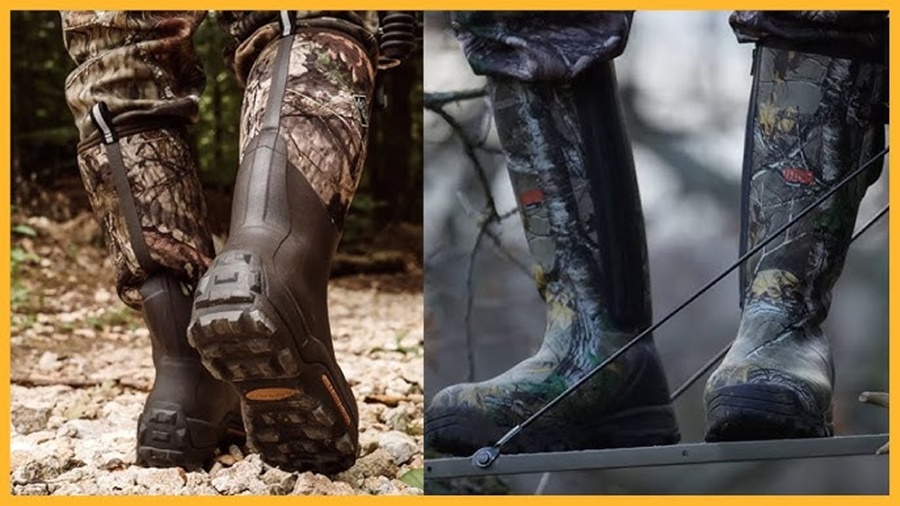
Choosing the right hunting boots can make or break your outdoor experience. Whether you are trekking through muddy wetlands, climbing rocky hills, or waiting silently in a cold tree stand, your boots directly affect your comfort, mobility, and safety. Two of the most popular options among hunters are rubber hunting boots and leather hunting boots. Each type offers distinct advantages and disadvantages depending on terrain, weather conditions, and hunting style.
This article explores the differences between rubber and leather hunting boots, comparing their comfort, durability, waterproofing, insulation, scent control, and overall performance to help you decide which option best fits your needs.
Understanding Rubber Hunting Boots
Rubber hunting boots are typically made from natural or synthetic rubber with insulated linings for warmth and comfort. They are especially popular among hunters who spend time in wet, swampy, or muddy environments.
These boots are often knee-high or calf-high and designed to keep water completely out while providing scent control advantages.
Advantages of Rubber Hunting Boots
Excellent Waterproof Protection
One of the biggest strengths of rubber hunting boots is their waterproof capability. Rubber naturally repels water, making these boots ideal for:
- Marshes
- Swamps
- Rainy weather
- Snow and slush
- Crossing streams
Hunters who frequently deal with wet terrain appreciate the confidence of staying dry throughout the day.
Superior Scent Control
Rubber does not absorb human odor as easily as leather. This makes rubber boots highly effective for minimizing scent trails, especially important when hunting deer or other animals with a strong sense of smell.
Many hunters prefer rubber boots during early-season deer hunts because they reduce the chance of alerting game animals.
Easy to Clean
Mud, blood, and debris can be washed off rubber boots quickly. After a hunt, a simple rinse is often enough to restore them.
This convenience is particularly useful for hunters who spend multiple days outdoors.
Warmth in Cold Conditions
Most rubber hunting boots include thick insulation layers. Popular insulation ratings range from 400 grams to 1600 grams, helping hunters stay warm in freezing temperatures.
These boots work well for:
- Late-season hunts
- Ice fishing
- Snow-covered terrain
- Stationary hunting
Disadvantages of Rubber Hunting Boots
Less Breathability
Rubber does not breathe well. During long hikes or warm-weather hunts, your feet may sweat heavily inside the boots.
Excess moisture can cause:
- Blisters
- Foot fatigue
- Odor buildup
- Reduced comfort
Heavier Weight
Rubber boots are usually heavier than leather boots. Carrying extra weight over long distances can tire hunters faster.
This can become uncomfortable during:
- Mountain hunts
- Spot-and-stalk hunting
- Extended hiking trips
Reduced Flexibility
Rubber boots tend to be stiffer and less flexible than leather. They may not provide the same natural foot movement or agility required for rugged terrain.
Limited Lifespan
Over time, rubber can crack or deteriorate, especially if exposed to:
- Extreme temperatures
- Sunlight
- Improper storage
Once cracks appear, waterproof protection declines rapidly.
Understanding Leather Hunting Boots
Leather hunting boots are traditionally favored for hiking-heavy hunts and rough terrain. They are often constructed with full-grain leather combined with waterproof membranes and rugged soles.
These boots provide excellent support, comfort, and durability.
Advantages of Leather Hunting Boots
Outstanding Comfort and Fit
Leather boots gradually conform to your feet over time, creating a customized fit. Many hunters find leather boots more comfortable for long-distance walking.
They are especially suitable for:
- Mountain hunting
- Elk hunting
- Backcountry trips
- All-day hiking
Better Breathability
Leather allows more airflow than rubber, reducing sweat buildup during active hunts.
This improved ventilation helps:
- Keep feet drier
- Reduce blisters
- Improve overall comfort
Excellent Durability
High-quality leather boots can last for many years with proper care. Unlike rubber, leather handles rough terrain well and resists abrasion effectively.
Hunters often rely on leather boots for:
- Rocky landscapes
- Forest terrain
- Steep slopes
- Heavy pack carrying
Superior Ankle Support
Leather boots generally provide better ankle stability, which is important when walking uneven trails or carrying equipment.
This added support lowers the risk of:
- Twisted ankles
- Foot strain
- Fatigue
Disadvantages of Leather Hunting Boots
Less Waterproof Than Rubber
Although many leather boots include waterproof membranes, they are rarely as waterproof as full rubber boots.
Extended exposure to deep water or mud may eventually allow moisture inside.
Requires Maintenance
Leather boots need regular care to remain in good condition. Hunters must:
- Clean dirt and mud
- Apply waterproof treatments
- Condition the leather
- Dry them properly
Without maintenance, leather can stiffen, crack, or lose waterproof performance.
Can Absorb Odor
Leather absorbs scent more easily than rubber. This may increase the likelihood of detection by sensitive game animals.
Hunters often use scent-control sprays to minimize this issue.
Longer Break-In Period
New leather boots may feel stiff initially and require time to break in. Some hunters experience discomfort during the early wearing stages.
Comparing Rubber and Leather Hunting Boots
Waterproofing
Rubber boots clearly dominate when it comes to waterproof protection. They are ideal for wet environments and extreme moisture conditions.
Leather boots can resist water effectively but usually cannot match the complete waterproof seal of rubber.
Winner: Rubber Boots
Comfort for Long Walks
Leather boots generally provide better comfort for extended hikes due to:
- Better breathability
- Lighter construction
- Flexible fit
- Enhanced support
Rubber boots may feel bulky during long-distance movement.
Winner: Leather Boots
Warmth in Cold Weather
Insulated rubber boots excel in cold, wet conditions where hunters remain stationary for long periods.
Leather boots can also be insulated, but rubber often retains heat more effectively in snowy or damp environments.
Winner: Rubber Boots
Durability
High-quality leather boots usually last longer and withstand rugged conditions better than rubber boots.
Properly maintained leather can remain functional for many hunting seasons.
Winner: Leather Boots
Scent Control
Rubber boots absorb less human odor and are easier to clean thoroughly.
This advantage makes them especially popular among deer hunters.
Winner: Rubber Boots
Terrain Performance
Leather boots perform better on:
- Mountains
- Rocky trails
- Steep inclines
- Long hikes
Rubber boots perform better in:
- Swamps
- Mud
- Wetlands
- Snowy conditions
Winner: Depends on Terrain
Which Hunting Boot Should You Choose?
The right choice depends largely on your hunting environment and style.
Choose Rubber Hunting Boots If You:
- Hunt in wet or muddy areas
- Need maximum waterproof protection
- Prioritize scent control
- Hunt in freezing temperatures
- Spend long periods sitting or standing still
Rubber boots are excellent for:
- Waterfowl hunting
- Whitetail deer hunting
- Late-season hunting
- Marsh hunting
Choose Leather Hunting Boots If You:
- Hike long distances
- Hunt in mountains or rugged terrain
- Need strong ankle support
- Want long-term durability
- Prefer breathable footwear
Leather boots are ideal for:
- Elk hunting
- Backcountry hunting
- Turkey hunting
- Spot-and-stalk hunting
Hybrid Hunting Boots: A Middle Ground
Some modern hunting boots combine leather and rubber materials to offer balanced performance.
These hybrid designs often feature:
- Rubber lower sections for waterproofing
- Leather uppers for flexibility and support
- Waterproof membranes
- Lightweight construction
Hybrid boots can work well for hunters who encounter varied terrain and weather conditions.
Tips for Choosing Hunting Boots
Before buying hunting boots, consider the following factors:
Climate
Cold, wet climates favor insulated rubber boots, while dry or moderate climates often favor leather.
Terrain
Rocky and uneven landscapes require better ankle support and traction.
Hunting Style
Stationary hunters benefit from warmth and waterproofing, while active hunters need breathability and lightweight comfort.
Insulation Level
Select insulation based on expected temperatures:
- 200–400g for mild weather
- 600–800g for cold weather
- 1000g+ for extreme cold
Fit and Sizing
Always prioritize proper fit. Poorly fitted boots can lead to:
- Blisters
- Foot pain
- Reduced mobility
Wear hunting socks when trying on boots for accurate sizing.
Conclusion
Both rubber and leather hunting boots offer valuable benefits, but neither is universally better. The ideal choice depends on where and how you hunt.
Rubber hunting boots excel in wet, cold, and muddy conditions where waterproofing and scent control matter most. Leather hunting boots shine during long hikes, rugged terrain travel, and active hunting situations that demand comfort and durability.
Many experienced hunters eventually own both types and switch between them depending on the season and environment.
By understanding the strengths and weaknesses of each option, you can select hunting boots that improve your comfort, performance, and success in the field.