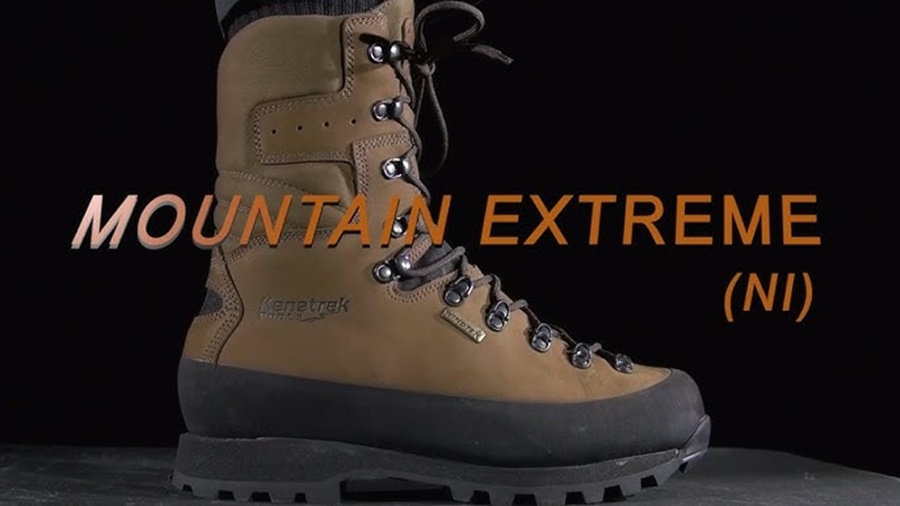
Choosing the right hunting boots can make or break your hunting experience. Whether you are trekking through snow-covered mountains, crossing muddy fields, or stalking game in mild autumn weather, your footwear directly affects your comfort, mobility, and endurance. One of the biggest decisions hunters face is choosing between insulated hunting boots and non-insulated hunting boots.
Both types have advantages and disadvantages, and the best option depends on several factors such as climate, hunting style, terrain, and activity level. In this article, we will compare insulated and non-insulated hunting boots in detail to help you make the right decision for your next hunt.
What Are Insulated Hunting Boots?
Insulated hunting boots are designed with additional thermal material inside the boot to keep your feet warm in cold conditions. The insulation is usually measured in grams, with common options including:
- 200 grams
- 400 grams
- 600 grams
- 800 grams
- 1000+ grams
The higher the insulation level, the warmer the boots are intended to be.
These boots are commonly used during:
- Late-season hunting
- Winter hunting
- Snowy or freezing environments
- Long periods of sitting in tree stands or blinds
Popular insulation materials include Thinsulate and other synthetic thermal liners.
What Are Non-Insulated Hunting Boots?
Non-insulated hunting boots do not contain extra thermal padding. Instead, they focus on breathability, lightweight construction, and flexibility.
These boots are ideal for:
- Warm-weather hunting
- Early-season hunts
- Active spot-and-stalk hunting
- Mountain hunting
- Long-distance hiking
Although they lack built-in insulation, hunters can still regulate warmth using quality wool socks and layering techniques.
Key Differences Between Insulated and Non-Insulated Hunting Boots
1. Warmth
The most obvious difference is warmth.
Insulated Hunting Boots
- Designed to retain body heat
- Better for freezing temperatures
- Excellent for stationary hunting
Hunters who spend hours sitting still in cold weather often benefit greatly from insulated boots because inactive feet cool down quickly.
Non-Insulated Hunting Boots
- Minimal heat retention
- Better airflow and ventilation
- Prevent overheating during movement
For active hunters who walk long distances, non-insulated boots often provide enough warmth while reducing sweat buildup.
2. Breathability
Breathability is essential for keeping feet dry and comfortable.
Insulated Boots
Because of the added insulation layers, these boots trap more heat and moisture. During intense movement, feet may sweat heavily, which can eventually lead to cold feet once activity slows down.
Non-Insulated Boots
These boots allow better airflow and moisture escape, making them ideal for active hunting and warmer temperatures.
Dry feet are often more comfortable than sweaty feet, especially during long hunts.
3. Weight
Weight plays a major role in fatigue and mobility.
Insulated Boots
Insulation materials add bulk and weight. Heavier boots can become tiring during long hikes or steep climbs.
Non-Insulated Boots
Typically lighter and more agile, these boots are preferred by hunters who cover large distances or navigate rugged terrain.
Lightweight boots help reduce leg fatigue and improve overall mobility.
4. Comfort During Activity
Insulated Boots
Great for:
- Tree stand hunting
- Ice fishing
- Blind hunting
- Cold-weather waiting periods
Not ideal for:
- High-exertion mountain hunts
- Long hikes in mild weather
Non-Insulated Boots
Excellent for:
- Spot-and-stalk hunting
- Backcountry hunts
- Warm-weather activity
- Mobile hunting styles
The lighter design improves flexibility and comfort during movement.
5. Moisture Management
Sweat can become a serious issue in hunting footwear.
Insulated Boots
Feet may sweat more due to trapped heat. If moisture accumulates, it can lead to:
- Blisters
- Odor
- Cold feet after stopping activity
Non-Insulated Boots
Better moisture evaporation helps keep feet drier throughout the day.
Many experienced hunters prefer non-insulated boots specifically because sweat management is easier.
Understanding Insulation Levels
Not all insulated hunting boots provide the same warmth. Here is a general guide:
| Insulation Level | Best Use |
|---|---|
| 200g | Mild cold weather and active hunting |
| 400g | Moderate cold conditions |
| 600g | Cold weather with some inactivity |
| 800g | Very cold temperatures and stationary hunting |
| 1000g+ | Extreme winter conditions |
Choosing too much insulation can cause overheating, while too little may leave your feet freezing.
When to Choose Insulated Hunting Boots
Insulated hunting boots are the better choice if:
- You hunt in freezing temperatures
- You spend long periods sitting still
- You hunt during late fall or winter
- You frequently encounter snow and ice
- You suffer from cold feet easily
These boots excel in cold-weather comfort and heat retention.
When to Choose Non-Insulated Hunting Boots
Non-insulated hunting boots are ideal if:
- You hunt in warm or mild temperatures
- You walk long distances
- You prefer lightweight gear
- You hunt mountainous terrain
- You engage in active spot-and-stalk hunting
These boots prioritize mobility, breathability, and comfort during movement.
Terrain Considerations
The environment you hunt in also affects your choice.
Cold and Snowy Terrain
Insulated boots help protect against frostbite and discomfort in snowy conditions.
Rocky Mountain Terrain
Non-insulated boots are often preferred because they are lighter and more breathable during strenuous climbs.
Wet Conditions
Regardless of insulation, waterproof membranes are extremely important. Wet feet quickly become cold and uncomfortable.
Look for:
- Waterproof leather
- Gore-Tex liners
- Sealed seams
Can Socks Replace Insulation?
To some extent, yes.
Many hunters use:
- Merino wool socks
- Layered sock systems
- Moisture-wicking liners
Quality socks can improve warmth significantly in non-insulated boots. However, in extreme cold, socks alone may not replace heavy insulation.
The key is balancing warmth with moisture control.
Pros and Cons of Insulated Hunting Boots
Pros
- Excellent warmth
- Better for freezing temperatures
- Ideal for stationary hunts
- Comfortable in snow and ice
Cons
- Heavier
- Less breathable
- Can cause sweaty feet
- Less versatile in warm weather
Pros and Cons of Non-Insulated Hunting Boots
Pros
- Lightweight
- More breathable
- Better for active hunts
- Reduced sweat buildup
- More versatile across seasons
Cons
- Less warmth in extreme cold
- Not ideal for long stationary periods
- May require better socks in colder weather
Which Hunting Boot Is More Versatile?
Non-insulated hunting boots are generally considered more versatile because they can adapt to a wider range of temperatures through sock layering.
Insulated boots are more specialized for cold-weather conditions.
If you only plan to own one pair of hunting boots, many hunters prefer a lightly insulated or non-insulated model paired with proper socks.
Common Mistakes Hunters Make
Choosing Too Much Insulation
Many beginners assume warmer is always better. Excess insulation can lead to overheating and sweating, which eventually causes cold feet.
Ignoring Activity Level
Your movement level matters more than temperature alone. Active hunters generate body heat naturally.
Buying Poorly Fitted Boots
No amount of insulation can compensate for boots that fit badly. Tight boots restrict circulation and can make feet colder.
Neglecting Sock Quality
Cheap cotton socks trap moisture and increase discomfort. Moisture-wicking wool socks are a much better choice.
Tips for Choosing the Right Hunting Boots
Before buying hunting boots, consider:
- Climate and average temperatures
- Hunting style
- Terrain difficulty
- Time spent stationary
- Distance walked daily
- Personal tolerance to cold
- Waterproofing needs
Trying boots on with your hunting socks is also highly recommended.
Conclusion
There is no universal winner between insulated and non-insulated hunting boots. The right choice depends entirely on your hunting conditions and style.
Choose insulated hunting boots if you hunt in freezing weather, spend long periods sitting still, or need maximum warmth.
Choose non-insulated hunting boots if you prioritize mobility, breathability, lightweight performance, and active hunting.
Many experienced hunters eventually own both types so they can adapt to different seasons and environments. Investing in the correct footwear will improve comfort, endurance, and overall hunting success.