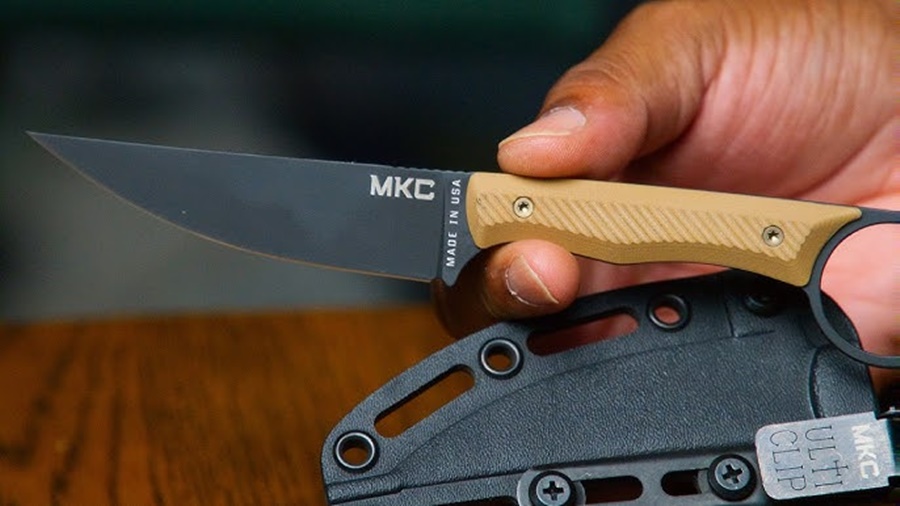
A hunting knife is an essential tool for hunters, campers, and outdoor enthusiasts. Whether used for field dressing game, preparing food, or general camp tasks, a hunting knife must be handled with care. Improper carrying or storage can lead to serious injuries, accidental damage, or legal trouble. Understanding how to safely carry and store a hunting knife is a fundamental responsibility of every knife owner.
This article explains best practices for safe carrying, transportation, storage, maintenance, and legal awareness.
Understanding the Purpose of a Hunting Knife
A hunting knife is designed as a tool, not a weapon. Its primary purpose is utility—cutting rope, processing game, preparing food, and performing camp chores. Treating the knife as a tool helps reinforce responsible behavior and reduces the risk of misuse or accidents.
Safe Ways to Carry a Hunting Knife
Use a Proper Sheath at All Times
A sheath is the most important safety accessory for a hunting knife.
- Always store the knife in a well-fitted sheath when not in use
- The sheath should fully cover the blade and prevent it from slipping out
- Use sturdy materials such as leather, nylon, or molded plastic
- Ensure retention straps or snaps are secure but easy to open when needed
Never carry a hunting knife loose in a pocket, pack, or vehicle compartment.
Choose the Right Carry Position
The safest carry position depends on knife size, activity, and personal comfort.
Common safe carry options include:
- Belt carry: Keeps the knife visible, secure, and accessible
- Pack-mounted carry: Ideal for long hikes or large knives
- Inside-pack carry: Suitable when hiking through crowded areas
Avoid carrying a knife where it can fall, snag, or press against your body when sitting or bending.
Carry the Knife Only When Necessary
If you are traveling to or from a hunting area, it is often safest to keep the knife stored rather than worn openly. Carry the knife on your person only when actively hunting or performing outdoor tasks.
Safe Handling Practices
- Always cut away from your body
- Keep your fingers clear of the blade’s path
- Never try to catch a falling knife—step back instead
- Pass a knife handle-first to another person
- Clean blood, fat, or moisture from the handle to prevent slipping
Consistent safe handling habits significantly reduce accidents.
Transporting a Hunting Knife Safely
When transporting a hunting knife in a vehicle:
- Place the knife in its sheath
- Store it in a locked compartment, gear bag, or tool case
- Avoid leaving knives loose on seats or dashboards
- Keep knives out of reach of children and pets
For air travel, hunting knives must be placed in checked luggage and must comply with airline and country regulations.
Proper Storage of a Hunting Knife
Clean Before Storage
Before storing your knife:
- Wash the blade with warm water and mild soap
- Dry thoroughly to prevent rust
- Apply a light coat of food-safe or rust-preventive oil
Never store a knife dirty or wet.
Choose a Safe Storage Location
Ideal storage locations include:
- Locked cabinets or drawers
- Dedicated knife cases
- Wall-mounted racks (out of reach of children)
Avoid storing knives in areas with high humidity or extreme temperature changes.
Sheath Storage Considerations
While a sheath is essential for carrying, long-term storage inside a leather sheath is not always recommended. Leather can trap moisture and cause corrosion. For long-term storage:
- Remove the knife from the sheath
- Wrap it lightly in oiled cloth or protective paper
- Store the sheath separately
Child and Household Safety
If you live with children or others unfamiliar with knives:
- Store knives in locked locations
- Educate older children about knife safety
- Never leave knives unattended
Responsible storage prevents accidental injuries.
Legal Considerations
Knife laws vary by country, state, and municipality. Some areas regulate:
- Blade length
- Carry methods (open vs. concealed)
- Locations where knives are prohibited
Always check local laws before carrying or transporting a hunting knife to avoid legal issues.
Regular Inspection and Maintenance
Periodically inspect your hunting knife for:
- Loose handles or fasteners
- Dull or chipped blades
- Cracked sheaths or broken snaps
A well-maintained knife is safer and more reliable than one in poor condition.
Conclusion
Safely carrying and storing a hunting knife is a matter of responsibility, awareness, and respect for both the tool and those around you. By using a proper sheath, choosing safe carry methods, storing the knife securely, and following good handling practices, you can prevent accidents and ensure your hunting knife remains a useful and dependable tool for years to come.
A hunting knife should always be treated with care because safety is just as important as skill in the outdoors.