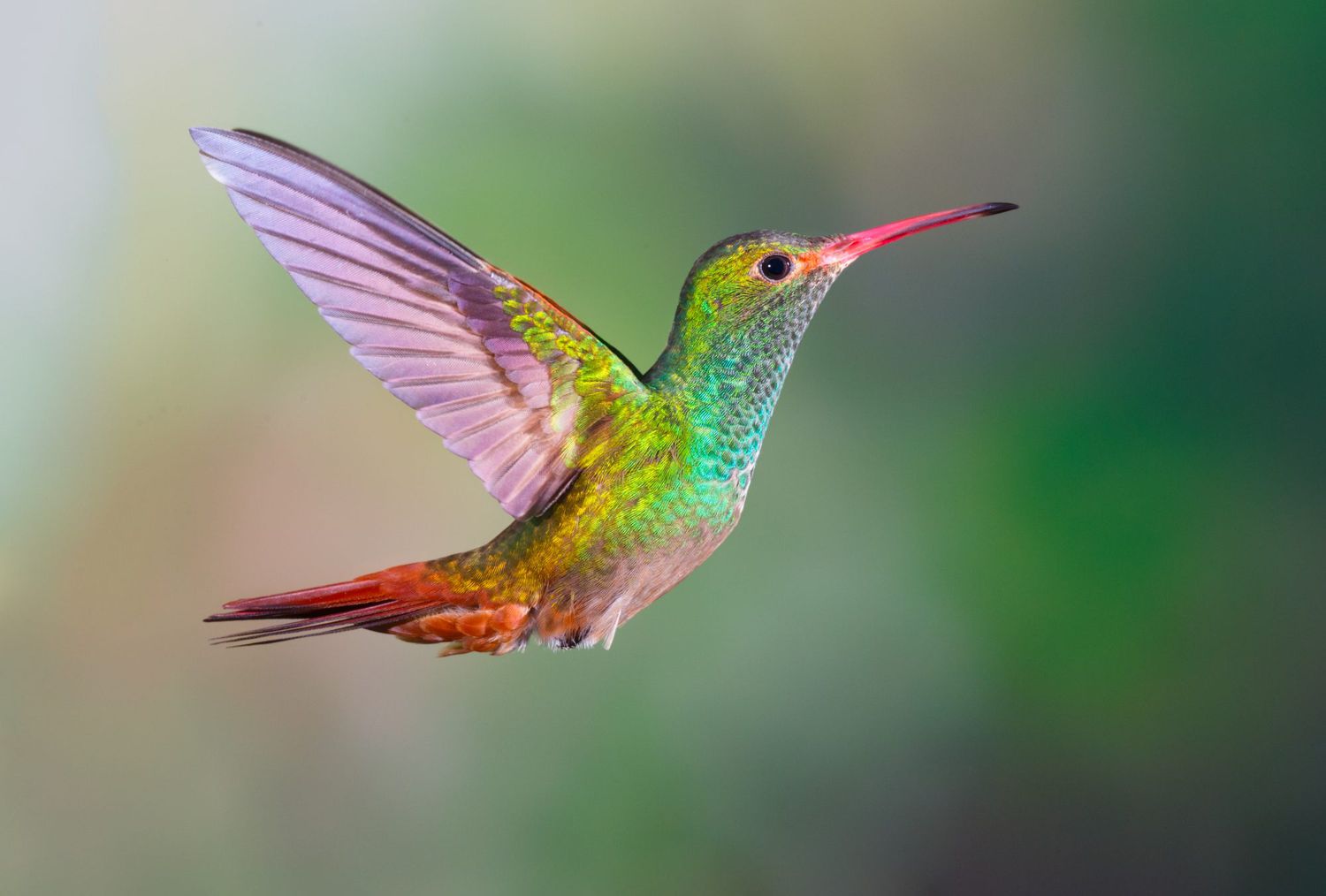
Numerous birdwatchers are fond of hummingbirds because this tiny bundle of feathers contains so much force and personality. The quantity of hummingbirds fluctuates naturally throughout the summer. Each summer, we receive inquiries from individuals who observe that these tiny dynamos have vanished from their feeders. Here's a little more information on why (as well as advice on the best ways to feed hummingbirds)
As spring approaches, hummingbirds return to North America (though species such as Anna's Hummingbird are year-round residents of the Southwest and West Coast). You'll observe one hummingbird at first, followed by several to many flitting about your yard.
Adult male hummingbirds are fiercely territorial and may drive away all other males during the spring breeding season. (How you position your feeders can partially mitigate this; more on below.) After babies fledge around the beginning of July, you may see more birds again. As migration commences in late summer and early autumn, these numbers may increase before declining.
The first surge of hummingbirds to leave consists primarily of males, followed by females and young. In addition to "local" birds, migrating birds from further north may pause for a rest and a sugar-water boost. Keeping feeders up in the autumn will NOT cause hummingbird migration to be delayed. Several factors trigger migration, but the most powerful is day length. As the days become shortened in late summer, hummingbirds become restless and begin to migrate south, regardless of the presence of feeders. Several accounts of hummingbirds in Birds of the World note that feeders may aid hummingbirds in early spring and late autumn when flowers are not blooming.
The situation may be graver if you observe fewer hummingbirds over a large area for multiple years. Exploring the data on eBird is one method to confirm whether others have followed the same phenomenon. Check data for your county over the past few years to determine if the number of hummingbirds reported has changed. The state's breeding bird atlas and bird societies may also have information on population trends.
Nonetheless, it is common for hummingbird populations to fluctuate from year to year. A change in the availability of natural food sources or nesting sites has prompted the birds to seek elsewhere. Despite their small size, free-roaming domestic cats can injure or murder hummingbirds. Several studies have also demonstrated that a healthy wildflower crop will decrease the number of hummingbird feeder visits. If neighbors hang feeders in their yards, hummingbirds may have more options.
Therefore, what you see or do not see at your feeders does not necessarily indicate what is occurring to a species; none of the North American hummingbird species are currently experiencing population declines. The majority of species inhabit the west and extreme southwest regions of the United States.
If you are still concerned about a sudden decline in hummingbirds at your feeder, it won't harm to double-check your feeding schedule. We receive many inquiries about feeding hummingbirds, so here are some fundamental dos and don'ts:
- The optimal ratio of sugar to water for hot or dry weather is one-fourth cup of sugar to one cup of water.
- Honey contains different sugars than nectar and degrades more quickly than sugar water, so it should not be used in hummingbird feeders.
- Red food coloring is dangerous and excessive. True nectar has no color.
- Change the sugar water every three to five days to prevent mold and lethal fermentation and more frequently when the temperature is above ninety degrees.
- At least once per week, clean feeders with hot water and a bottle brush. Don't use soap or a detergent.
- Because mold develops quickly in sugar water and can adhere to feeders, cleaning feeders requires disassembling them. Utilize a hot dishwasher or wash by hand with detergent and boiling water or a diluted bleach solution.
- Consider moving the feeder if you have a problem with bees, wasps, or ants. You could contaminate the nectar or soil of the birds' plumage by placing oil or other sticky substances around feeding ports to repel insects.
Multiple smaller feeders dispersed throughout your yard may attract more hummingbirds than a single large feeder. Male hummers tend to be aggressive, so even if there is plenty of food at a feeder, a single bird may deter others from feeding.