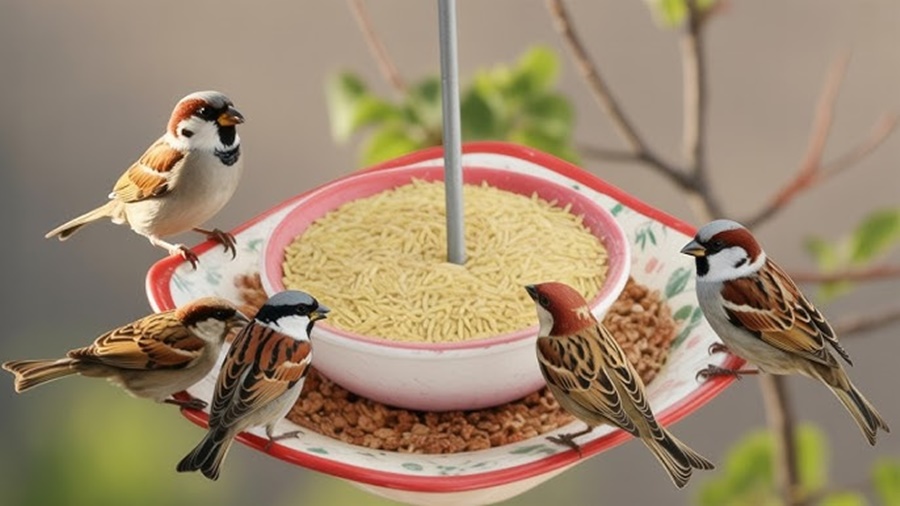
Bird feeding is one of the most enjoyable ways to attract wildlife to your home, and finches with their bright colors and cheerful presence are a favorite for many bird lovers. When choosing how to feed finches, two of the most popular feeder styles are window finch feeders and hanging finch feeders. Each has its own advantages and potential drawbacks, so understanding the differences can help you pick the best fit for your space and goals.
1. What Are Finch Feeders?
Window Finch Feeders
A window finch feeder attaches directly to your window using suction cups or brackets. It places birds right in front of a glass surface, giving you an up-close view of their behavior and colors.
Hanging Finch Feeders
A hanging finch feeder is suspended from a hook, tree branch, pole, or bracket. These come in many styles tube feeders, mesh feeders, and specialized finch feeders and are usually placed a short distance from your house or deck.
2. Design and Style Options
Window Feeders
- Typically made of clear plastic so birds are visible from inside.
- Often compact and lightweight.
- May include small perches or mesh panels for seed access.
Pros:
Excellent visibility
Great for small spaces (apartments, patios)
Ideal if you want close encounters
Cons:
Limited capacity
Suction cups can fail in heat/cold
Birds may feel startled by indoor noises/reflections
Hanging Feeders
- Available in many shapes: tube, mesh, cage, tube-with-ports, and specialty finch designs.
- Larger seed capacity than window feeders.
- Can be placed in gardens, balconies, or yards.
Pros:
Larger capacity less refilling
More natural feeding setting
Options to deter squirrels and larger birds
Cons:
Less intimate viewing
Can require installation (hooks/poles)
3. Bird Attraction and Behavior
Window Feeders Attract
- Finches that are less shy and more curious.
- Goldfinches, house finches, siskins, and sometimes chickadees.
Hanging Feeders Attract
- A wider variety of species, depending on seed type.
- Finch-specific mesh feeders are especially loved by small finches like American goldfinches and purple finches.
Tip: Finches prefer small seeds like nyjer (thistle), and many hanging feeders are specifically designed for nyjer seed.
4. Placement and Safety Considerations
Window Feeders
Best placed on windows with shrubbery or plants nearby
Helps birds feel secure
Avoid direct sun midday to reduce overheating and suction loss
Hanging Feeders
Place near natural cover (trees/shrubs)
At least 6–10 feet from predators and reflective glass
Watch for squirrels — may need baffles or careful positioning
5. Ease of Use and Maintenance
Window Feeders
- Quick to install and refill.
- Easy to clean because of close access.
- However, suction cups may lose grip over time.
Hanging Feeders
- Can hold more seed, meaning fewer refills.
- Some designs are easier to clean than others (removable trays help).
- Installation may need a pole or hook setup.
6. Cost Comparison
| Feature | Window Finch Feeder | Hanging Finch Feeder |
|---|---|---|
| Initial cost | Typically lower | Varies (depends on materials/design) |
| Seed capacity | Small | Medium to large |
| Replacement parts | Suction cups often replaced | Durable hooks/poles last longer |
| Accessories | Usually minimal | Many add-on options (baffles, brackets) |
Overall: Window feeders may be more budget-friendly at first, but hanging feeders can offer better long-term value if you feed large quantities of birds.
7. Best Use Cases
When to Choose a Window Finch Feeder
You have limited outdoor space
You want close bird watching from inside
You’re feeding only a few visitors
When to Choose a Hanging Finch Feeder
You want to attract more birds or a variety of species
You have space in a yard, patio, or garden
You want a feeder that holds more seed
8. Tips for Better Finch Feeding Success
Choose the Right Seed – Finches love nyjer/thistle and small seeds.
Keep Feeders Clean – Prevent mold and disease.
Offer Water – A birdbath attracts more visitors.
Avoid Pesticides – Safe plants help natural insects thrive.
Use Squirrel Protection – For hanging feeders, use baffles to deter pests.
Conclusion
Choosing between a window finch feeder and a hanging finch feeder ultimately comes down to what you want from your bird-feeding experience.
If your priority is up-close, personal viewing of finches right at your window especially in small spaces like apartments or porches a window finch feeder is a great choice. It lets you enjoy bird behavior from inside and is easy to install and refill.
On the other hand, if you’re looking to attract more finches, offer larger seed capacity, and create a more natural feeding environment outdoors, a hanging finch feeder is likely the better option. It’s ideal for yards, gardens, and locations where space isn’t limited and you want to support more frequent visitors.
Both types have their advantages, and many bird enthusiasts choose to use both to enjoy the best of each world close-up views from the window and a welcoming buffet outdoors. Your choice should reflect your space, viewing preferences, and how many birds you aim to attract.