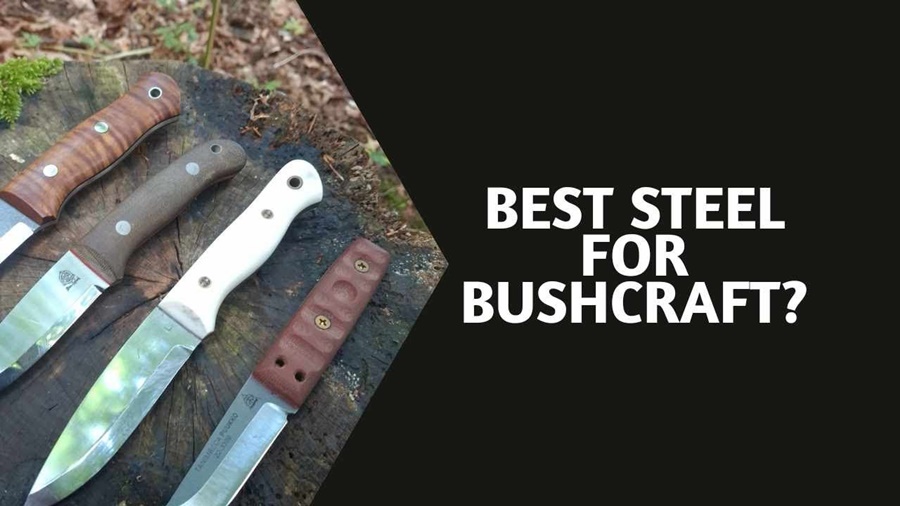
Choosing the right steel is one of the most important decisions when selecting a hunting knife. The steel determines how sharp the blade can get, how long it stays sharp, how resistant it is to rust, and how tough it is when used in demanding outdoor conditions. Because hunting knives are used for tasks such as skinning, field dressing, cutting bone, and general camp work, the steel must balance sharpness, toughness, and corrosion resistance.
This article explains the main categories of steel used in hunting knives, how they perform, and which types are best suited for different hunting needs.
What Makes Good Hunting Knife Steel?
Before exploring specific steels, it is helpful to understand the key properties that matter most:
Edge retention – How long the blade stays sharp during use.
Toughness – The ability to resist chipping or breaking under stress.
Corrosion resistance – How well the steel resists rust and staining.
Ease of sharpening – How easily the blade can be resharpened in the field.
Hardness – Measured on the Rockwell scale (HRC), affecting edge retention and toughness.
No steel excels in all areas, so manufacturers choose blends that best fit the intended use of the knife.
Carbon Steel
Carbon steel has been used in hunting knives for centuries and is still popular today.
Characteristics
Carbon steel contains iron and carbon, with little or no chromium. This allows it to take a very sharp edge and makes it easy to resharpen in the field.
Advantages
Extremely sharp edge potential
Excellent edge retention
Easy to sharpen with simple tools
Very tough and resistant to chipping
Disadvantages
Rusts easily if not maintained
Requires cleaning and oiling after use
Develops a patina over time
Common Carbon Steels
1095
1084
1075
O1 Tool Steel
Best For
Traditional hunters, bushcraft users, and those who prioritize sharpness and toughness over corrosion resistance.
Stainless Steel
Stainless steel is the most common type used in modern hunting knives.
Characteristics
Stainless steel contains chromium (usually over 12%), which greatly improves corrosion resistance.
Advantages
Highly resistant to rust and stains
Requires less maintenance
Suitable for wet and humid environments
Disadvantages
Often harder to sharpen than carbon steel
Some varieties sacrifice toughness for corrosion resistance
Popular Stainless Steels
420HC
440C
AUS-8
Sandvik 12C27
14C28N
Best For
Hunters who want low maintenance, reliable performance, and good rust resistance in all weather conditions.
High-Carbon Stainless Steel
High-carbon stainless steel combines the best aspects of carbon and stainless steels.
Characteristics
These steels contain higher carbon levels along with chromium, offering better edge retention while maintaining corrosion resistance.
Advantages
Excellent balance of sharpness, durability, and rust resistance
Holds an edge longer than basic stainless steels
Widely used in premium hunting knives
Disadvantages
More expensive
Slightly harder to sharpen than simpler steels
Common High-Carbon Stainless Steels
VG-10
CPM S30V
CPM S35VN
CPM S45VN
Best For
Serious hunters who want premium performance with minimal compromise.
Tool Steel
Tool steels are designed for industrial cutting tools but are often adapted for hunting knives due to their toughness.
Characteristics
Tool steels are extremely durable and hold an edge very well, but many are not stainless.
Advantages
Exceptional toughness
Outstanding edge retention
Resistant to heavy use and abuse
Disadvantages
Limited corrosion resistance
Requires regular maintenance
Common Tool Steels
D2
A2
CPM 3V
Best For
Heavy-duty hunting, large game processing, and situations where blade strength is critical.
Powder Metallurgy (PM) Steel
Powder metallurgy steels are created using advanced manufacturing techniques that produce extremely fine and consistent grain structures.
Characteristics
These steels offer top-tier performance in almost every category.
Advantages
Superior edge retention
Excellent toughness
High corrosion resistance
Consistent quality
Disadvantages
Expensive
Sharpening requires quality tools
Popular PM Steels
CPM MagnaCut
CPM S90V
CPM S110V
Best For
Professional hunters, guides, and enthusiasts who demand maximum performance regardless of cost.
Damasteel and Pattern-Welded Steel
These steels are often chosen for aesthetics but can still perform well.
Characteristics
Made by layering and welding different steels together, resulting in unique patterns.
Advantages
Visually striking
Can combine toughness and edge retention
Disadvantages
Expensive
Performance depends heavily on the maker
Best For
Collectors and hunters who value craftsmanship and appearance alongside performance.
Choosing the Right Steel for Your Hunting Knife
The best steel depends on how and where you hunt:
Wet or coastal environments: Stainless or high-carbon stainless steel
Cold, dry climates: Carbon steel or tool steel
Field dressing and skinning: Fine-grained steels with good edge retention
Heavy chopping or bone work: Tough tool steels or PM steels
A properly heat-treated steel will always outperform a poor heat treatment, regardless of the steel type.
Conclusion
Hunting knife steel has evolved significantly, offering hunters a wide range of options to match their needs. From traditional carbon steel to modern powder metallurgy steels, each type has strengths and weaknesses. Understanding these differences helps hunters choose a knife that performs reliably in the field, stays sharp when needed, and lasts for many seasons.
The best hunting knife is not defined by the most expensive steel, but by the steel that best suits your hunting style, environment, and maintenance habits.