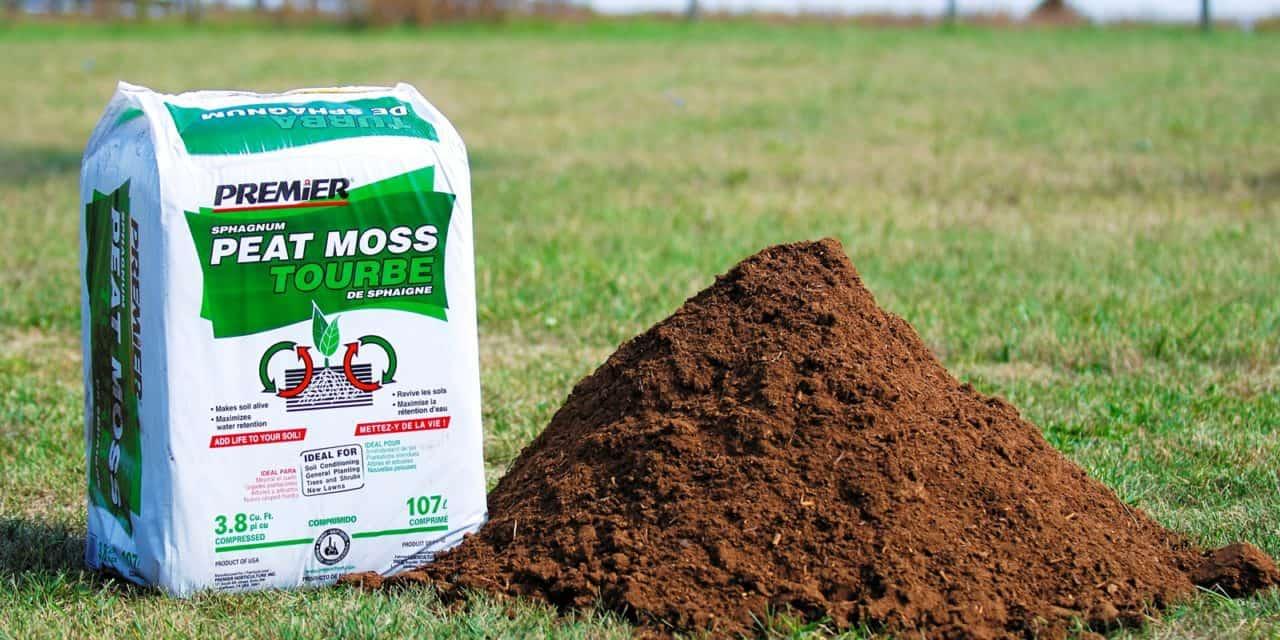
Peat moss is a soil amendment used in gardening and horticulture. Made up of partially decomposed plant material, specifically sphagnum moss, it has various benefits for soil health. This comprehensive guide will explore peat moss, its benefits, and how to use it effectively in your garden. We'll also look at sustainable harvesting practices and alternatives to traditional peat moss.
What is Peat Moss?
Peat moss is an organic matter commonly used in gardening and horticulture. It is made up of partially decomposed plant material, specifically sphagnum moss, preserved in wetlands for thousands of years.
Peat moss comes in various types, including sphagnum peat moss and reed-sedge peat moss, and it has unique characteristics that make it an excellent soil amendment. It is highly absorbent and helps to retain moisture in the soil, making it useful in areas with low rainfall. Peat moss also provides organic matter that can help improve soil structure and aeration and help balance the pH of soil.
However, the harvesting and processing of peat moss can harm the environment, and sustainable harvesting practices are being developed. Peat moss is harvested from bogs, which can take thousands of years to form and are essential habitats for numerous species of plants and animals.
Benefits of Using Peat Moss
Using peat moss in your garden can have several benefits for soil health, including:
- Retention of moisture and nutrients in soil: Peat moss is highly absorbent and can help retain moisture and nutrients, reducing the need for frequent watering and fertilization.
- Enhanced aeration of soil: Peat moss provides organic matter that can help to improve soil structure and aeration, making it easier for plant roots to grow and access nutrients.
- pH balance: Peat moss is slightly acidic, which can help to balance the pH of alkaline soils and make nutrients more available to plants.
- Organic matter for soil: Peat moss is a good source of organic matter, which can help to improve soil fertility and encourage beneficial microbial activity.
How to Utilize Peat Moss in the Garden
There are several ways to use peat moss in your garden, including:
- Mixing peat moss with soil: To improve soil structure and moisture retention, mix peat moss with soil at a 1:1 or 2:1. This is particularly useful for sandy soils that drain quickly or heavy clay soils that hold too much moisture.
- Using peat moss as mulch: You can use peat moss around plants to help retain moisture in the soil and suppress weed growth.
- Using peat moss in potting mix: Peat moss is usually used as a part of potting mixes for container plants. It can help to retain moisture in the soil and provide a source of organic matter for plant growth.
- Rehydrating peat moss: If it has become too dehydrated, rehydrate it by soaking it in water for several hours before using it in the garden.
Alternatives to Peat Moss
While peat moss is a popular soil amendment, there are several alternatives available, including:
- Coco coir: Made from the fibrous husks of coconuts, coco coir is a renewable and sustainable alternative to peat moss. It has similar characteristics and benefits for soil health.
- Compost: Compost is a rich organic matter origin that can help improve soil structure, moisture retention, and nutrient availability.
- Leaf mold: Leaf mold is made from partially decomposed leaves and provides a source of organic matter for soil health. It is effortless to make at home by composting leaves.
Sustainable Peat Moss
The harvesting and processing of peat moss can harm the environment, and sustainable harvesting practices are being developed. Look for peat moss certified by organizations such as the Responsible Peatland Management Certification or the Forest Stewardship Council.
Alternatives to traditional peat moss harvesting are also being developed, such as using agricultural waste products like straw or wood chips to create a similar product. Additionally, using alternatives to peat moss can reduce its demand and help protect sensitive wetland ecosystems.
Conclusion
Peat moss is a valuable soil amendment that can help improve soil health, but its harvesting and processing can negatively impact the environment. Sustainable harvesting practices and alternatives to peat moss are being developed to mitigate these impacts. By using peat moss responsibly and considering alternatives, gardeners can help protect sensitive wetland ecosystems while improving their soil's health.