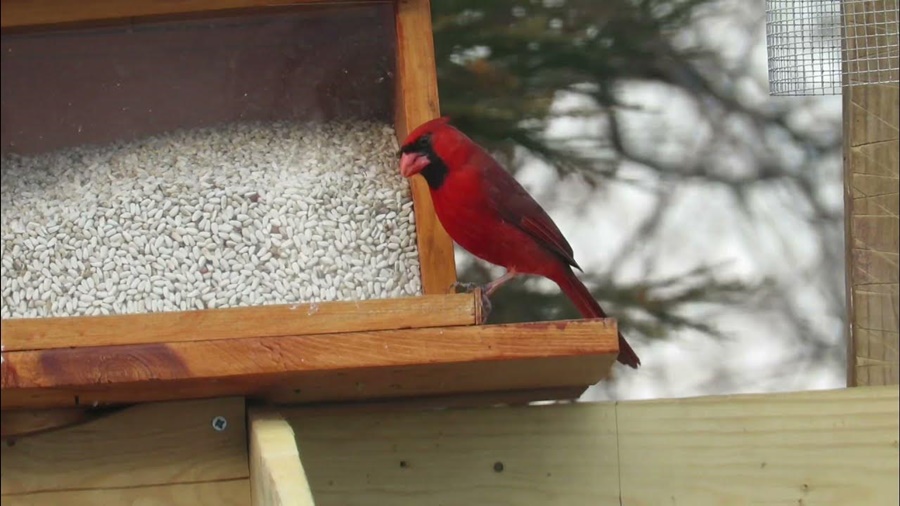
Northern Cardinals are among the most recognizable and beloved songbirds in North America. With their striking red (males) and warm brown-red (females) plumage, they are frequent visitors to backyards year-round. One of the most common questions bird lovers ask is: What do Northern Cardinals eat?
This article provides a complete look at their diet, seasonal feeding habits, and how you can support them.
Overview of the Northern Cardinal’s Diet
Northern Cardinals (Cardinalis cardinalis) are omnivorous birds, meaning they eat both plant and animal matter. Their strong, conical beaks are perfectly adapted for cracking seeds, which make up the majority of their diet, but they also rely on insects and fruits for balanced nutrition.
Primary diet components include:
Seeds and grains
Fruits and berries
Insects and other small invertebrates
Their diet changes with the seasons based on availability and nutritional needs.
Seeds: The Staple Food
Seeds are the most important food source for Northern Cardinals, especially during fall and winter.
Common Seeds Cardinals Eat
Sunflower seeds (black oil and striped)
Safflower seeds
Cracked corn
Milo (sorghum)
Oats and millet (less preferred but still eaten)
Why seeds matter:
Seeds are high in fat and energy, helping cardinals survive cold weather and maintain body heat.
Fruits and Berries in the Wild
In spring and summer, cardinals often supplement their diet with fruits, especially when feeding young.
Fruits Cardinals Commonly Eat
Mulberries
Cherries
Dogwood berries
Grapes
Blackberries and raspberries
Wild grapes
They may also eat soft fruit from gardens, particularly when natural food is scarce.
Insects and Animal Protein
During breeding season, insects become a crucial part of the cardinal’s diet.
Insects Cardinals Eat
Beetles
Grasshoppers
Caterpillars
Ants
Spiders
Flies and other small insects
Why insects are important:
High protein content supports egg production
Essential for feeding nestlings
Provides nutrients not found in seeds alone
Seasonal Feeding Habits
Spring and Summer
Increased insect consumption
More fruit intake
Adults gather protein-rich foods for chicks
Fall
Shift toward seeds and grains
Heavy feeding to build fat reserves
Winter
Mostly seeds and berries
Regular visits to backyard feeders
Dependence on high-energy foods
How Northern Cardinals Feed
Northern Cardinals prefer ground feeding or low platforms rather than hanging feeders.
Feeding Behavior
Often feed in pairs or small groups
Males may bring food to females as part of courtship
Strong beaks allow them to crack even hard seeds
They are non-migratory birds, so they rely on consistent food sources throughout the year.
What to Feed Northern Cardinals in Your Backyard
If you want to attract cardinals, offer foods that match their natural preferences.
Best Foods for Feeders
Black oil sunflower seeds
Safflower seeds (also deters squirrels)
Cracked corn (in moderation)
Mixed seed blends without fillers
Feeder Types
Platform feeders
Hopper feeders
Ground feeding areas
Also provide fresh water year-round, especially during winter when natural sources may freeze.
Foods to Avoid
Some foods can be harmful or unhealthy for cardinals:
Bread (low nutrition)
Salted seeds or nuts
Spoiled or moldy food
Artificial sweeteners or processed foods
Do Northern Cardinals Eat Year-Round?
Yes, Northern Cardinals stay in their range year-round and do not migrate. This means they depend on reliable food sources in every season, making backyard feeders especially important during winter months.
Conclusion
Northern Cardinals have a varied and adaptable diet that includes seeds, fruits, and insects. While seeds form the foundation of their diet, insects and fruits play a critical role during breeding and warmer seasons. Understanding their feeding habits not only helps bird enthusiasts appreciate these beautiful birds but also allows homeowners to support them with the right foods.
By providing appropriate feeders, high-quality seeds, and fresh water, you can enjoy the presence of Northern Cardinals in your yard throughout the year.