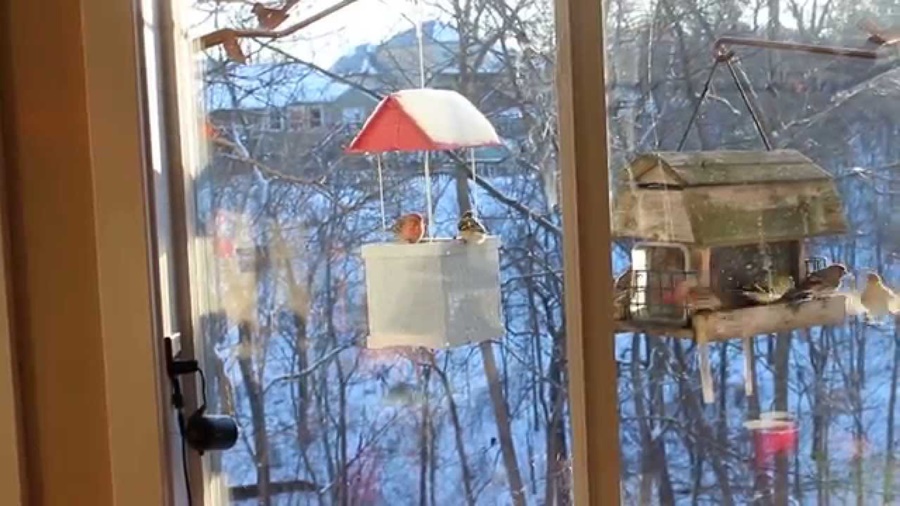
Feeding backyard birds is one of the most rewarding ways to connect with nature. Finch feeders attract beautiful, small songbirds like goldfinches, house finches, siskins, and redpolls. Among the variety of feeder styles, two popular choices are tube finch feeders and hopper finch feeders. But which one is better for birds? The answer depends on your goals, the species you want to attract, and your environment. In this article, we’ll compare these two types of feeders in detail so you can make an informed choice.
1. What Are Finch Feeders?
Finch feeders are designed to accommodate the eating habits and feeding behavior of small birds with delicate beaks. They typically offer seeds like nyjer (thistle), millet, or mixed small seeds, which finches prefer. Finch feeders come in different styles, but the most common are tube and hopper designs.
2. Tube Finch Feeders: Overview
Tube finch feeders are long, cylindrical containers with multiple feeding ports around the tube. They are usually made of plastic, metal, or a combination.
Pros of Tube Finch Feeders
- Great for Small Birds: The small perches and feeding ports are ideal for finches.
- Reduced Seed Waste: Seeds remain enclosed within the tube, reducing spillage.
- Weather Protection: Seeds are often more shielded from rain and wind.
- Easy to Hang: Lightweight and simple to place in trees or from hooks.
Cons of Tube Finch Feeders
- Limited Seed Variety: Best suited for tiny seeds (like nyjer); less flexible with larger feed types.
- Harder to Clean: Narrow tubes can be tricky to scrub thoroughly.
- Capacity Constraints: Smaller seed capacity compared to many hopper feeders.
3. Hopper Finch Feeders: Overview
Hopper finch feeders resemble small houses or boxes with a seed container and a platform or tray at the bottom where birds perch and eat.
Pros of Hopper Finch Feeders
- Larger Seed Capacity: Hold more seed, meaning less frequent refilling.
- Visible Food Source: The open tray allows birds to see and access the seed easily.
- Attracts More Species: Can hold a mix of seeds to attract birds other than finches.
- Easier to Clean: Wider access makes cleaning more convenient.
Cons of Hopper Finch Feeders
- Seed Exposure: Seeds are more exposed to rain and moisture, which can lead to spoilage.
- Greater Seed Waste: Birds may spill more seeds onto the ground.
- Needs More Space: Larger and heavier than tube feeders; requires sturdy support.
4. Head-to-Head Comparison
Let’s compare tube and hopper finch feeders across key aspects.
4.1 Attracting Birds
- Tube Feeders: Highly effective for attracting finches specifically.
- Hopper Feeders: Broader appeal—finches plus other songbirds like sparrows and chickadees.
4.2 Seed Efficiency
- Tube Feeders: Better at minimizing waste.
- Hopper Feeders: More seed accessible…but also more likely to spill or get wet.
4.3 Weather Resistance
- Tube Feeders: Offer better protection from rain and wind.
- Hopper Feeders: More exposed may need additional rain guards or covers.
4.4 Cleaning & Maintenance
- Tube Feeders: Can be harder to clean due to narrow design.
- Hopper Feeders: Easiest to clean, especially if they open up fully.
4.5 Best Seed Types
- Tube Feeders: Nyjer, hulled sunflower hearts, fine seeds.
- Hopper Feeders: Small seed mixes, sunflower seeds, millet, nyjer (if tray is designed for fine seeds).
5. What Birds Prefer Each Feeder?
Here are some examples of birds you’re likely to attract:
Tube Feeder Favorites
- American Goldfinch
- Lesser Goldfinch
- Pine Siskin
- Redpoll
Because tube feeders are tailored to small beaks and specific seed types, finches feel more comfortable feeding from them.
Hopper Feeder Visitors
- House Finch
- Chickadee
- Sparrow species
- Cardinal (occasional, depending on seed offered)
Hoppers attract a wider variety of birds due to their open feeding platform and mixed seed offerings.
6. Tips for Choosing the Right Feeder
Choosing between tube and hopper finch feeders depends on your priorities:
Choose a Tube Feeder If:
- You want to focus on attracting finches.
- You prefer minimal seed waste.
- You have limited space to hang feeders.
Choose a Hopper Feeder If:
- You want to attract a variety of songbirds.
- You want easier cleaning and larger seed capacity.
- You don’t mind occasional seed waste.
7. Placement & Maintenance Tips
To get the most from any finch feeder:
- Hang at the right height: 5–6 feet above ground is ideal.
- Avoid windy spots: Especially for tube feeders.
- Keep feeders clean: Wash at least once every two weeks with warm water and mild soap.
- Check for mold: Discard wet or clumped seed immediately.
- Rotate locations: Prevent predator buildup and offer a fresh feeding area.
Conclusion
There’s no one-size-fits-all answer. If finch-specific attraction and seed efficiency are your top goals, tube feeders are an excellent choice. If you want flexibility, more bird diversity, and easier maintenance, hopper feeders may be better.
Many bird lovers enjoy using both types placing tube feeders for finches and a hopper feeder for a variety of visitors. Ultimately, observe your backyard bird activity and adjust your feeding setup to match what brings the most joy and bird life to your space.