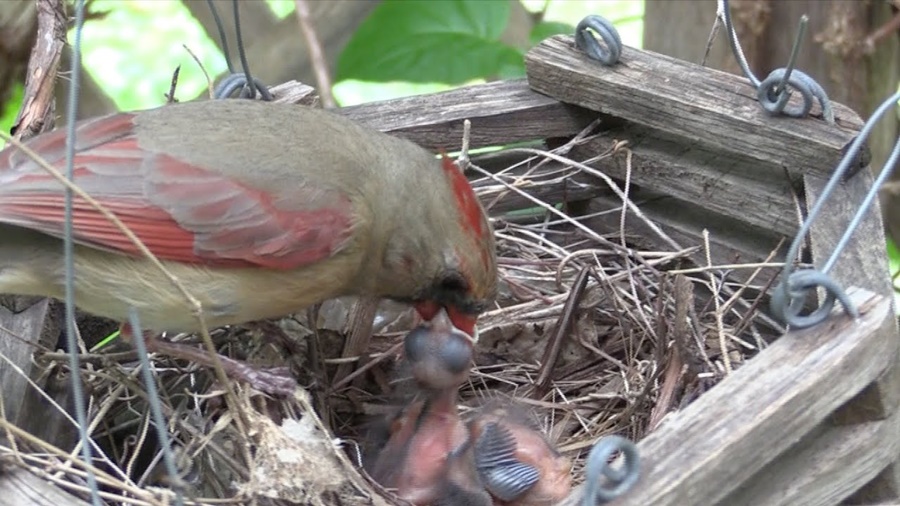
The Northern Cardinal (Cardinalis cardinalis) is one of the most recognizable and beloved backyard birds in North America. Known for the male’s striking red plumage and the species’ sweet whistling songs, cardinals are also fascinating when it comes to their nesting and breeding behavior. Understanding how cardinals choose nest sites, build nests, and raise their young can help bird enthusiasts better appreciate and responsibly support these birds during the breeding season.
Overview of the Northern Cardinal
Northern Cardinals are non-migratory songbirds found throughout the eastern and central United States, parts of Mexico, and southern Canada. Because they stay year-round in their territories, cardinals begin nesting relatively early compared to many other songbirds.
They are territorial during the breeding season and often form monogamous pairs that may last for several breeding cycles, sometimes even for life.
When Do Northern Cardinals Nest?
Cardinal nesting season typically begins in early spring, often as early as March, and can continue through late summer (August or September). In warmer southern regions, nesting may start even earlier.
A pair of cardinals can raise two to four broods per year, depending on climate and food availability. Once one brood fledges, the female may quickly begin building a new nest while the male helps care for the fledglings.
Nest Site Selection
Preferred Locations
Northern Cardinals prefer dense shrubs, thickets, vines, or small trees for nesting. Common nest sites include:
- Bushes and hedges
- Briars and thorny shrubs
- Low tree branches
- Vines growing on fences or trellises
Nests are usually placed 3 to 10 feet above the ground, providing a balance between concealment and protection from predators.
Human Structures
Cardinals occasionally nest near homes, using ornamental shrubs or thick landscaping. While they may tolerate human presence, they prefer quiet, undisturbed areas.
Nest Construction
Who Builds the Nest?
The female cardinal does most of the nest building, while the male stays nearby to guard the territory and occasionally bring nesting materials.
Materials Used
Cardinal nests are cup-shaped and loosely constructed using:
- Twigs and small sticks (base layer)
- Leaves, bark strips, and grasses
- Pine needles
- Fine grasses, rootlets, or hair for lining
The entire construction process usually takes 3–9 days.
Egg Laying and Incubation
Eggs
A typical clutch contains 2 to 5 eggs, which are:
- Pale white to greenish or bluish
- Speckled with brown, gray, or purple markings
Incubation Period
- Incubation lasts about 12–13 days
- The female incubates the eggs, while the male brings her food
During this period, the female remains very attentive and may leave the nest only briefly.
Raising the Chicks
Hatching and Nestling Stage
Chicks hatch naked and helpless, with closed eyes. Both parents are involved in feeding:
- The male gathers most of the food
- The female feeds the chicks and keeps them warm
Nestlings remain in the nest for about 9–11 days.
Fledging
Once they leave the nest, fledglings:
- Cannot fly well at first
- Stay hidden in nearby shrubs
- Are fed primarily by the male
This stage is critical, and fledglings are especially vulnerable to predators.
Cardinal Parental Behavior
Northern Cardinals are known for strong parental care:
- Males aggressively defend the nest territory
- Both parents respond quickly to threats
- Parents may perform distraction displays to lure predators away
Interestingly, cardinals are one of the few songbirds where males may continue feeding fledglings while the female starts a new nest.
Common Threats to Cardinal Nests
Despite careful nest placement, cardinal nests face many risks:
- Predators (cats, snakes, raccoons, crows, squirrels)
- Severe weather (storms, high winds)
- Human disturbance
- Brood parasitism by Brown-headed Cowbirds
Only a portion of nests successfully produce fledglings, which is why multiple broods per season are important for population stability.
How You Can Help Northern Cardinals
If you want to support nesting cardinals:
- Avoid trimming shrubs during nesting season
- Keep cats indoors
- Provide native shrubs for cover
- Offer birdseed (sunflower seeds are a favorite)
- Observe from a distance never handle nests or chicks
Even small actions can greatly improve nesting success.
Conclusion
Northern Cardinal nesting behavior reflects a delicate balance of cooperation, timing, and environmental awareness. From careful nest placement to shared parental duties, these birds demonstrate remarkable adaptability and devotion to their young. By understanding and respecting their nesting habits, we can enjoy the presence of cardinals while helping ensure their continued success in our neighborhoods.