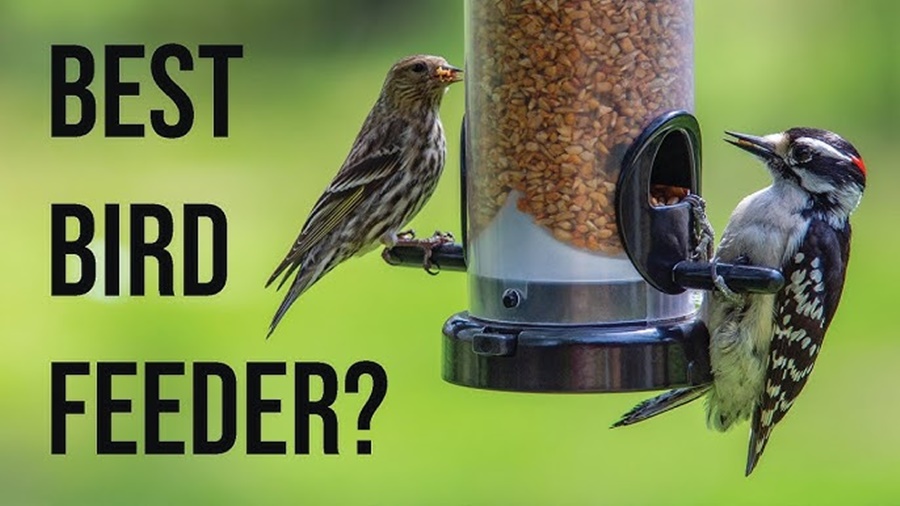
Feeding finches in your backyard can be a delightful and rewarding experience, but choosing the right type of feeder is essential to attract these small, energetic birds and keep the seed fresh and protected. Two of the most common materials for finch feeders are metal and plastic. Each material has its own advantages and drawbacks. In this article, we’ll explore both options in detail so you can decide which one best suits your needs.
1. Why the Right Feeder Material Matters
The material of your finch feeder affects:
Durability
Ease of cleaning
Weather resistance
Seed protection from pests
Overall cost and longevity
Because finches are small and often feed in groups, having a feeder that is convenient, sturdy, and accessible is key.
2. Metal Finch Feeders
Benefits of Metal Feeders
Metal feeders—often made from steel, aluminum, or wrought iron—are known for strength and longevity.
a. Durability
Metal feeders are typically more robust and less likely to crack or break than plastic.
They can resist wind, rain, and heavy use over many seasons.
b. Pest Resistance
Metal is less attractive to squirrels, rats, and other pests.
Sharp metal edges and reinforced ports make it harder for critters to chew.
c. Aesthetic Appeal
Many metal feeders have a classic, decorative look that adds charm to gardens.
Drawbacks of Metal Feeders
a. Rust and Corrosion
Without proper coating, some metals can rust over time, especially in wetter environments.
b. Heat Absorption
Metal can heat up in intense sun, potentially spoiling seed or deterring birds.
c. Weight
Metal feeders can be heavier and require more secure hanging hardware.
3. Plastic Finch Feeders
Benefits of Plastic Feeders
Plastic feeders are widely available and often affordable.
a. Lightweight and Easy to Handle
Easier to install, refill, and clean.
b. Rust-Free and Weather Resistant
Plastic won’t rust, and bright colors can attract birds.
c. Budget-Friendly
Often less expensive than metal options, making them great for beginners or multiple feeding stations.
Drawbacks of Plastic Feeders
a. Less Durable
Plastic can crack in cold weather or under pressure from pests.
b. Attracts Pests More Easily
Rodents and squirrels may chew plastic to access seed.
c. Can Become Brittle Over Time
Sun exposure can cause fading and weakening.
4. Comparing Metal vs. Plastic Finch Feeders
| Feature | Metal Feeders | Plastic Feeders |
|---|---|---|
| Durability |  | |
| Weather Resistance | | |
| Pest Resistance | | |
| Weight | Heavy | Lightweight |
| Ease of Cleaning | Moderate | Easy |
| Cost | Higher | Lower |
| Visual Appeal | Classic / Decorative | Functional / Bright |
5. What Finches Prefer
Finches like feeders that:
Allow perching space
Provide small seeds such as nyjer (thistle) and millet
Have multiple feeding ports
Are placed in quiet, sheltered areas
Neither metal nor plastic inherently affects bird preference, but the design and seed type matter more.
6. Tips for Choosing the Best Finch Feeder
Here are a few things to consider before making a decision:
Location
If your feeder will be exposed to harsh weather or pests, metal may be better.
For sheltered patios or backyard gardens with fewer predators, plastic works well.
Maintenance
Clean feeders regularly to prevent mold and disease.
Metal feeders may require rust-resistant coating and occasional touch-ups.
Budget
If you plan to have multiple feeders, starting with plastic may save money.
Investing in a quality metal feeder can be cost-effective long-term.
Aesthetic Preference
Choose a feeder that complements your landscape and attracts birds.
7. Final Verdict: Metal or Plastic?
There’s no one-size-fits-all answer, but here’s a general guideline:
Choose Metal if you want:
Maximum durability
Better pest resistance
Classic garden lookChoose Plastic if you want:
Lightweight and easy handling
Affordable option
Rust-free and simple cleaning
Conclusion
Both metal and plastic finch feeders have their place in your backyard birding setup. If your priority is long-lasting performance and pest resistance, metal is typically the better choice. If you want budget-friendly, lightweight convenience, plastic might be the way to go.
The most important part is that your feeder provides fresh seed, is clean, and is placed in a safe, inviting spot for finches to visit and with the right feeder, you’ll enjoy watching these beautiful birds for seasons to come!