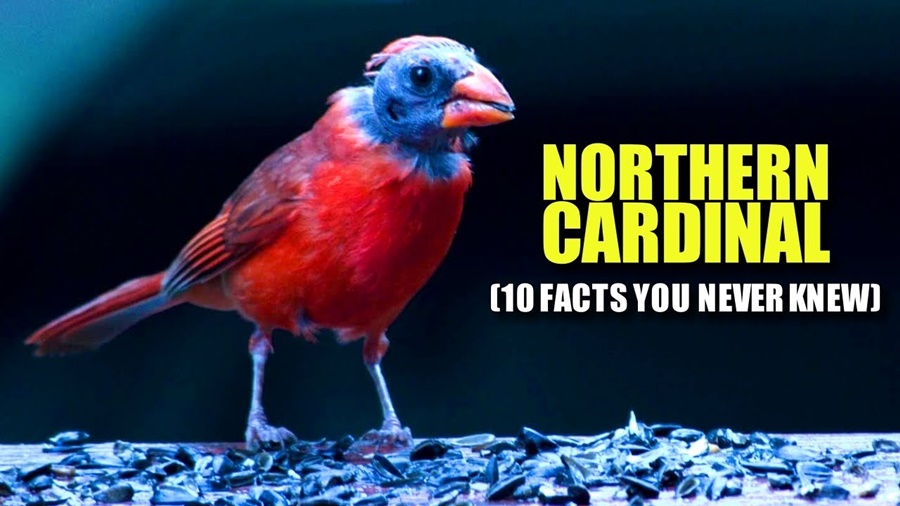
The Northern Cardinal is one of the most recognizable and beloved birds in North America. With its brilliant red plumage, cheerful song, and year-round presence in many regions, this bird has captured the attention of birdwatchers and nature lovers alike. Below is a full, detailed article exploring fascinating facts about Northern Cardinals, organized with clear headings for easy reading.
1. What Is a Northern Cardinal?
The Northern Cardinal (Cardinalis cardinalis) is a medium-sized songbird belonging to the cardinal family, Cardinalidae. It is native to North America and commonly found in the United States, Mexico, and parts of southern Canada.
Northern Cardinals are often seen in backyards, parks, woodlands, and gardens, making them one of the most familiar wild birds in their range.
2. Striking Red Color Has a Special Meaning
Male vs. Female Cardinals
- Male cardinals are famous for their vivid red feathers and black facial mask.
- Female cardinals are more subtle in appearance, with warm brown tones and reddish accents on their wings, tail, and crest.
The red color in male cardinals comes from pigments called carotenoids, which they obtain from their diet. A brighter red often signals better health, making it more attractive to potential mates.
3. Cardinals Sing All Year Long
Unlike many songbirds that sing mainly during breeding season, Northern Cardinals sing throughout the year. Both males and females are capable singers, which is somewhat unusual among North American birds.
Their songs serve several purposes:
- Defending territory
- Attracting mates
- Communicating with partners
Female cardinals often sing from the nest, possibly signaling the male to bring food.
4. They Don’t Migrate
Northern Cardinals are non-migratory birds, meaning they stay in the same general area year-round. This is one reason they are so popular—people can enjoy seeing them even in winter.
During colder months, cardinals puff up their feathers to stay warm and often visit bird feeders more frequently.
5. Cardinals Are Named After Cardinals
The bird gets its name from the Catholic cardinals, whose traditional robes are bright red. Early European settlers were reminded of these religious figures when they first saw the bird’s bold coloring.
6. Cardinals Are Fiercely Territorial
Male cardinals are known for being highly territorial, especially during breeding season. They will aggressively defend their space from other males—and sometimes even from their own reflection in windows or mirrors.
This behavior explains why cardinals are often seen repeatedly attacking glass surfaces during spring.
7. Strong Beaks for Tough Seeds
Northern Cardinals have thick, cone-shaped beaks designed for cracking seeds. Their diet includes:
- Seeds (sunflower seeds are a favorite)
- Grains
- Fruits and berries
- Insects (especially during breeding season)
This adaptable diet helps them survive in a wide range of habitats.
8. Cardinals Mate for Life (Most of the Time)
Many Northern Cardinals form long-term pair bonds, sometimes lasting for several breeding seasons. Pairs often forage together and engage in courtship feeding, where the male feeds the female beak-to-beak.
While not every pairing lasts for life, their strong bonds are one of the reasons cardinals are often associated with love and devotion.
9. A Powerful Symbol in Culture
Northern Cardinals hold deep symbolic meaning in many cultures:
- Often seen as symbols of hope, warmth, and vitality
- In folklore, cardinals are sometimes believed to represent messages from loved ones who have passed away
- The bird is also a popular spiritual symbol of renewal and remembrance
10. State Bird of Seven U.S. States
The Northern Cardinal is the state bird of seven U.S. states, more than any other bird:
- Illinois
- Indiana
- Kentucky
- North Carolina
- Ohio
- Virginia
- West Virginia
Its popularity stems from its beauty, visibility, and year-round presence.
11. Lifespan and Survival
In the wild, Northern Cardinals typically live 3 to 5 years, though some individuals have been known to survive much longer under ideal conditions. Their main threats include:
- Predators (cats, hawks, snakes)
- Window collisions
- Severe weather
Despite these challenges, cardinals have stable and widespread populations.
12. Why Northern Cardinals Are So Loved
Northern Cardinals stand out because they are:
- Brightly colored and easy to recognize
- Active year-round
- Frequent visitors to feeders
- Strong singers with cheerful calls
Their constant presence and bold personality make them a favorite among both casual observers and serious birdwatchers.
Conclusion
The Northern Cardinal is far more than just a pretty red bird. From its year-round songs and loyal partnerships to its cultural symbolism and impressive adaptability, this bird is truly remarkable. Whether you spot one in your backyard or hear its whistle from a nearby tree, the Northern Cardinal remains a vibrant and enduring symbol of North American wildlife.