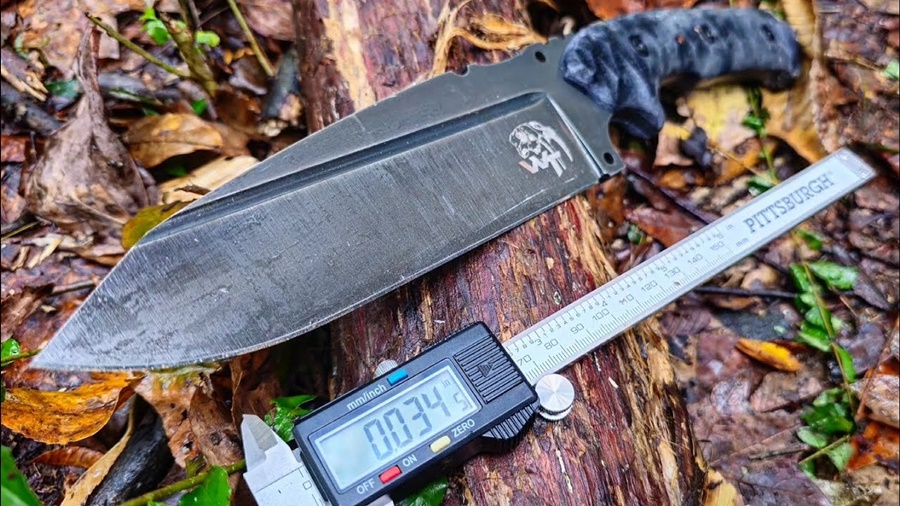
When choosing a hunting knife, many buyers focus on blade length, steel type, or handle comfort. While these factors are important, blade thickness is often overlooked yet it plays a critical role in how a hunting knife performs in real-world conditions. Blade thickness affects strength, control, cutting efficiency, and overall versatility. Understanding this feature can help hunters select a knife that matches their specific needs and hunting style.
What Is Blade Thickness?
Blade thickness refers to the measurement of the blade from spine to edge, usually taken at the spine (the thickest part). It is commonly measured in millimeters or inches. Typical hunting knives range from thin blades around 2 mm to thicker blades exceeding 4 mm, depending on their intended purpose.
Strength and Durability
One of the most significant advantages of a thicker blade is increased strength. Thick blades are better suited for demanding tasks such as:
- Field dressing large game
- Splitting joints or cartilage
- Light batoning or prying in survival situations
A thicker blade is less likely to bend, snap, or suffer structural failure under pressure. For hunters operating in remote areas where a broken knife could be dangerous, blade thickness becomes a key safety consideration.
Cutting Performance and Precision
While thicker blades offer strength, thinner blades excel at cutting efficiency and precision. A thinner blade slices more easily through meat and hide, requiring less force and providing greater control. This is especially important for:
- Skinning game without damaging the hide
- Caping animals for taxidermy
- Making clean, precise cuts
Hunters who prioritize fine detail work often prefer thinner blades because they reduce resistance and fatigue during prolonged use.
Weight and Balance
Blade thickness directly influences the weight and balance of a hunting knife. Thicker blades add weight, which can be beneficial for power cuts but may feel tiring during extended tasks. Thinner blades are lighter and more agile, making them easier to maneuver during delicate operations.
A well-balanced knife, where blade thickness complements handle design, improves comfort and reduces hand strain an important factor during long days in the field.
Versatility in the Field
The ideal blade thickness often depends on how versatile you want your knife to be. Hunters who carry only one knife may prefer a moderate blade thickness that balances strength and slicing ability. This middle ground allows the knife to handle a wide range of tasks, from gutting and skinning to basic camp chores.
Specialized hunters, however, may carry multiple knives using a thicker blade for heavy work and a thinner blade for fine cutting.
Edge Geometry and Blade Thickness
Blade thickness works in combination with edge geometry. A thick blade with a well-designed grind (such as a flat or convex grind) can still perform efficient cuts, while a thin blade with a poor grind may lack durability. Therefore, thickness should never be considered in isolation it must be evaluated alongside blade shape and grind style.
Safety Considerations
Blade thickness also affects safety. A blade that is too thin for heavy tasks may twist or break, increasing the risk of injury. Conversely, an overly thick blade can reduce control during fine cuts, leading to slips. Choosing the correct thickness for your intended use minimizes these risks and improves overall handling.
Choosing the Right Blade Thickness
There is no universally “perfect” blade thickness for all hunters. Instead, the right choice depends on:
The size of game you hunt
The tasks you perform most often
Whether the knife is a primary or backup tool
Personal preference and experience
Understanding these factors helps ensure your knife performs reliably when it matters most.
Conclusion
Blade thickness is a crucial yet often underestimated aspect of a hunting knife. It directly influences strength, cutting efficiency, balance, safety, and versatility. By carefully considering blade thickness in relation to your hunting needs, you can select a knife that not only performs better but also enhances your confidence and effectiveness in the field. A well-chosen blade thickness turns a hunting knife from a simple tool into a dependable companion.