
Grass improves the air quality of the area. On the existing lawn, the plantation of grass seeds is essential to maintain the home's beauty. A proper yard with healthy grass allows one to breathe properly and gives peaceful vibes and relaxation to the eyes. The barren land can be converted into a healthy one just by producing grass. Different steps are mentioned below to plant grass seeds on the existing lawn and the critical factors involved, like soil quality, grass seed, and many more.
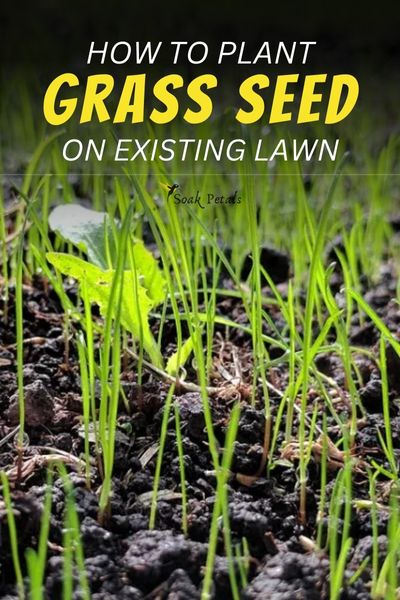
Planting Grass Seed
It is beneficial in the case of a barren yard or land to grow the seeds on the existing land. The seed plantation gives new life to the existing lawn. Before the plantation, it is essential to make the plan, and selection also matters. Different kinds of seeds are available for seeding, and the two types of grasses are commonly used.
Soil Test
Soil is involved in germinating seeds, and the proper amount of nutrients must be present in the soil. Before the hard struggle, test the soil before planting the grass seed. For a healthy lawn, good soil must contain a small number of pesticides and soil tests are good to test the quality.
Two Types of Grass Seeds
Mainly two types of grass seeds are used, which are given below.
- Cool season grasses
- Warm season grasses
Cool Season Grasses
Cool-season grasses are preferable for those areas which face temperature fluctuation. Like an extreme cold, freezing temperature, hot and so on.
Warm Season Grasses
In the cooler season, the warm season grasses show dormancy, become brown, and do not turn green until the warm weather reaches and then spring.
Select the grass according to the lawn type, and the lawn type is related to the area where you live.
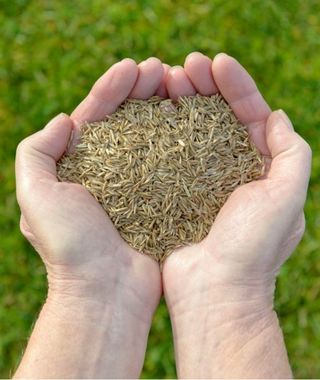
Selection of Best Seed
Steps to Plant Grass Seed on Existing Lawn
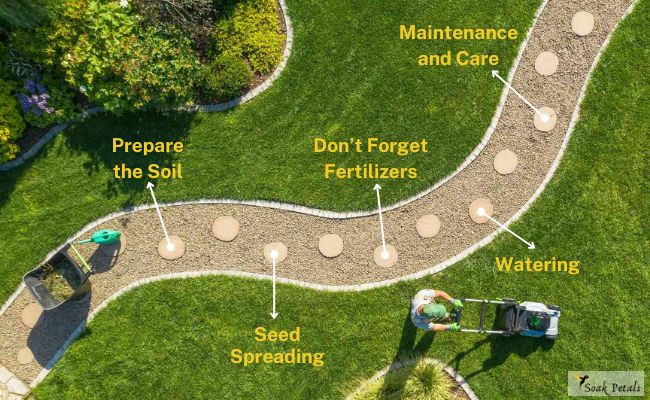
Prepare the Soil
Remove the stone and the previous grass from the surface of the lawn. After cleaning the surface, dig around the soil with the help of the rake around half or one inch. It helps to grow the roots well and strongly. Don’t forget to check the pH of the soil. The preferable pH of the soil is between acidic and basic. As we know, the basic pH is above 7, and the acidic pH is below 7. The soil pH must be 6.3 to 7. This pH helps to make the lawn greener and healthier.
Seed Spreading
Spread the seeds on the small area with the help of your hands. Different seed spreaders are available for large areas, which spread the seeds evenly on the land surface. Try seed spreading when the air flow rate is lower than usual otherwise; air will disturb the spreading of seeds.Don’t Forget Fertilizers
Please do not use the weed; it prevents seed germination. Different fertilizers are available for seed germination and contain phosphorus. Phosphorus is mainly involved in the growth of roots. Rhizobium is one of the best biofertilizers. It enhances the rhizosphere and fixes atmospheric nitrogen. Many new fertilizers are on the market, strengthening the nitrogen amount and increasing the seeds' growth rate.Watering
The new seeds need proper moisture; apply light water twice a day in the early days. When seeds germination starts, increase the amount of water as per need. The moisture facilitates the growth of the seeds and makes the roots healthy so they can face weather conditions.Maintenance and Care
Regular maintenance and care are compulsory after the plantation of the seeds. Regularly provide water to the seeds and check the soil of the lawn. Prevent them from the attackers and try to cover the green net over the seeds to repel the flies and the butterflies.
Conclusion
It would help to consider the different things before planting the grass seeds. For example, warm-season grasses and cool-season grasses are available, which are beneficial according to the area. Soil testing, soil pH, and selection of seeds are all involved in the excellent plantation. Seed planting steps are very short; after the plantation, they require the proper moisture to grow reasonably and fertilizers. Chemical fertilizers are not good, so try to avoid them and must go with biofertilizers.