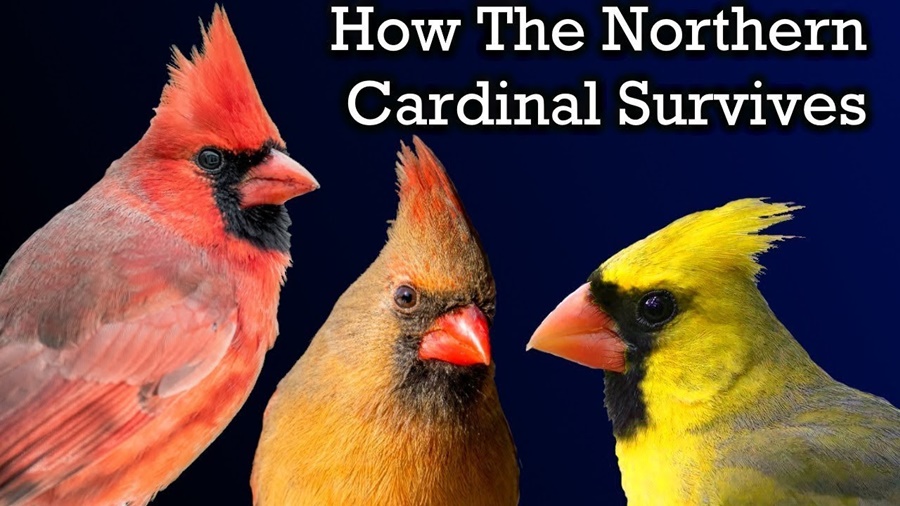
The Northern Cardinal (Cardinalis cardinalis) is one of the most recognizable and beloved songbirds in North America. Known for the male’s striking red plumage and the bird’s clear, whistling song, cardinals are common visitors to backyards and woodlands alike. A frequent question among bird enthusiasts is: how long do Northern Cardinals live? The answer depends on whether we’re talking about life in the wild or in captivity, as well as the many challenges these birds face throughout their lives.
Average Lifespan of Northern Cardinals
Lifespan in the Wild
In the wild, Northern Cardinals typically live about 3 to 5 years. While this may seem short, it is common for small songbirds due to high risks from predators, harsh weather, disease, and food scarcity.
That said, some individuals beat the odds. The oldest recorded wild Northern Cardinal lived around 13 to 15 years, based on banding records. These long-lived birds are the exception rather than the rule.
Lifespan in Captivity
When protected from predators and environmental dangers, Northern Cardinals can live much longer—up to 20 years in captivity. Reliable food, veterinary care, and a stable environment greatly increase survival rates.
Survival Challenges Northern Cardinals Face
Predation
Cardinals are preyed upon by a variety of animals, including:
Hawks and owls
Snakes
Domestic cats
Raccoons and squirrels (especially for eggs and nestlings)
Young birds are particularly vulnerable during their first year of life.
Weather and Climate
Extreme cold, heatwaves, heavy storms, and prolonged droughts can all reduce survival. Winter is especially challenging, as food becomes scarce and maintaining body heat requires more energy.
Disease and Parasites
Northern Cardinals can be affected by avian diseases such as:
Salmonellosis
Avian pox
West Nile virus
Parasites like mites and lice can also weaken birds, making them more susceptible to illness or predation.
Human-Related Threats
Modern environments pose additional dangers:
Window collisions
Pesticide exposure
Habitat loss due to urban development
These factors can significantly shorten a cardinal’s lifespan.
Juvenile Survival Rates
Not all cardinals that hatch survive to adulthood. Less than half of juvenile Northern Cardinals live through their first year. Nest predation, starvation, and inexperience all contribute to high mortality during this early stage.
Those that survive the first year have a much better chance of living several more years.
Factors That Help Cardinals Live Longer
Reliable Food Sources
Cardinals thrive in areas with abundant seeds, fruits, and insects. Backyard feeders stocked with sunflower seeds can improve survival, especially in winter.
Safe Habitat
Dense shrubs, hedges, and woodland edges provide protection from predators and safe nesting sites.
Clean Water
Access to fresh water for drinking and bathing helps maintain feather condition and overall health.
Reduced Predators
Areas with fewer outdoor cats and minimal human disturbance tend to support longer-lived cardinals.
Breeding and Its Impact on Lifespan
Northern Cardinals usually begin breeding at about one year old. A breeding pair may raise two to three broods per year, which is physically demanding especially for females. While reproduction is essential for the species, the stress of repeated nesting can slightly reduce individual lifespan.
Do Male or Female Cardinals Live Longer?
There is no strong evidence that male or female Northern Cardinals consistently live longer than the other. Survival depends more on environmental conditions, food availability, and chance encounters with predators than on sex.
Why Northern Cardinals Are Still So Common
Despite relatively short average lifespans, Northern Cardinals remain widespread and abundant because:
They adapt well to human-altered environments
They produce multiple broods each year
They eat a varied diet
These traits help offset high mortality rates.
Conclusion
Northern Cardinals typically live 3 to 5 years in the wild, though some individuals can survive more than a decade under favorable conditions. In captivity, they may reach 20 years of age. While they face numerous threats from predators and weather to disease and human activity their adaptability and reproductive success ensure they remain a thriving part of North America’s birdlife.
By providing food, shelter, and a safe environment, people can play a small but meaningful role in helping these iconic red birds live longer, healthier lives.