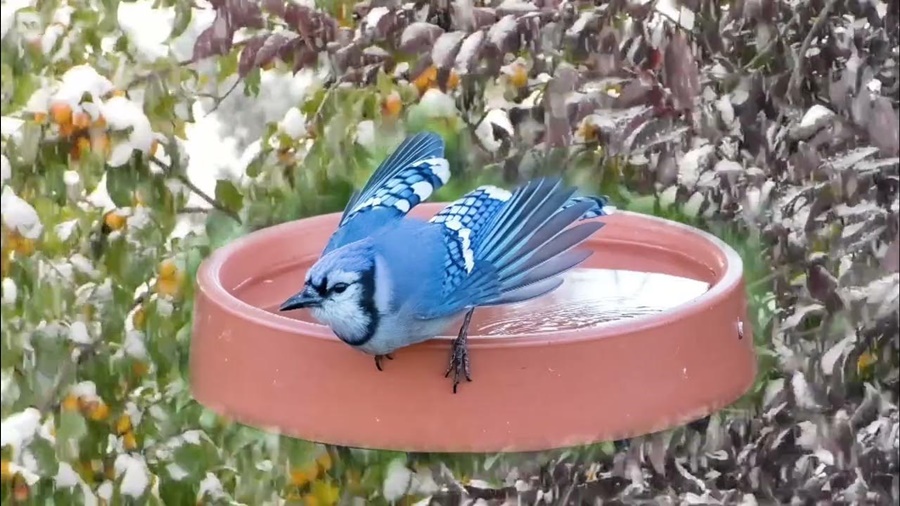
Bird baths are a simple but powerful way to attract birds and support local wildlife. Whether you are an avid bird watcher or just enjoy seeing birds in your yard, providing a water source can make your outdoor space more inviting. However, when choosing a bird bath, many people wonder whether a heated bird bath or a regular bird bath is the better option.
Both types serve the same basic purpose providing birds with water for drinking and bathing but they differ significantly in functionality, cost, and seasonal usefulness. This article explores the differences, benefits, drawbacks, and ideal use cases for heated and regular bird baths to help you decide which one is best for your backyard.
What Is a Heated Bird Bath?
A heated bird bath is designed to prevent water from freezing during cold weather. It contains a built-in heating element or uses a separate heater that keeps the water at a temperature just above freezing.
Heated bird baths are especially useful in regions where winter temperatures drop below freezing for extended periods. When natural water sources freeze, birds struggle to find safe drinking water, and a heated bird bath can become a crucial survival resource.
Key Features
Built-in heating element or attachable heater
Keeps water from freezing
Usually powered by electricity
Often made from durable materials like plastic or metal
Benefits
1. Provides water in winter
The biggest advantage is that birds can access water even when lakes, ponds, and puddles freeze.
2. Attracts winter birds
A heated bird bath can attract species that remain in cold climates during winter.
3. Reduces ice maintenance
Without heating, bird bath water must be replaced frequently because it freezes. Heated baths eliminate most of this work.
Drawbacks
1. Requires electricity
Heated bird baths need a power source, which may limit placement.
2. Higher cost
They are generally more expensive than standard bird baths.
3. Slightly higher maintenance
Electrical components must be checked regularly to ensure safe operation.
What Is a Regular Bird Bath?
A regular bird bath is the traditional version a simple basin filled with water. It relies entirely on natural temperatures and does not include any heating element.
These bird baths are extremely popular because they are affordable, decorative, and easy to install.
Key Features
Simple water basin design
No electrical components
Available in many materials such as stone, ceramic, plastic, or metal
Benefits
1. Affordable
Regular bird baths are usually less expensive than heated models.
2. Easy installation
There is no need for wiring or power sources.
3. Decorative appeal
They come in many artistic designs that enhance garden aesthetics.
4. Energy-free
Since they do not use electricity, they have no energy costs.
Drawbacks
1. Water freezes in winter
In cold climates, the water can freeze quickly, making it unusable.
2. Frequent maintenance
During hot weather, water may evaporate or become dirty and must be replaced often.
3. Limited seasonal usefulness
In freezing temperatures, birds cannot use the bath unless the water is changed regularly.
Key Differences Between Heated and Regular Bird Baths
1. Seasonal Functionality
Heated Bird Bath: Works year-round, including winter.
Regular Bird Bath: Best suited for spring, summer, and fall.
2. Cost
Heated Bird Bath: Higher initial cost and possible electricity use.
Regular Bird Bath: Lower cost with no energy expenses.
3. Installation
Heated Bird Bath: Requires an electrical outlet.
Regular Bird Bath: Simply place and fill with water.
4. Maintenance
Heated Bird Bath: Less ice removal in winter but requires safety checks.
Regular Bird Bath: More frequent water changes and ice removal in cold climates.
5. Wildlife Support
Heated Bird Bath: Extremely valuable during winter when water sources freeze.
Regular Bird Bath: Adequate during warm seasons.
Which Bird Bath Is Better for Birds?
The answer depends largely on your climate.
In areas with harsh winters, a heated bird bath can be one of the most beneficial additions to a bird-friendly yard. Birds often struggle to find liquid water during freezing conditions, so heated baths provide a vital resource.
In warmer climates where freezing temperatures are rare, a regular bird bath is usually sufficient.
Tips for Maintaining Any Bird Bath
Regardless of which type you choose, proper care is essential.
Clean the bath regularly
Bird baths should be cleaned at least once or twice a week to prevent algae, bacteria, and mosquito larvae.
Keep water shallow
Birds prefer shallow water, typically 1–2 inches deep.
Place it in a safe location
Position the bird bath near shrubs or trees so birds can quickly escape predators.
Refresh the water frequently
Clean water attracts more birds and keeps them healthy.
Conclusion
Both heated and regular bird baths provide valuable benefits for birds and bird watchers alike. A regular bird bath is affordable, decorative, and perfect for warm seasons. On the other hand, a heated bird bath offers year-round functionality and becomes especially important during freezing winter months.
If you live in a cold climate and want to support birds through winter, investing in a heated bird bath can make a significant difference. However, if winters are mild where you live, a traditional bird bath may be all you need.
Ultimately, whichever option you choose, providing fresh water is one of the easiest and most effective ways to create a bird-friendly backyard.