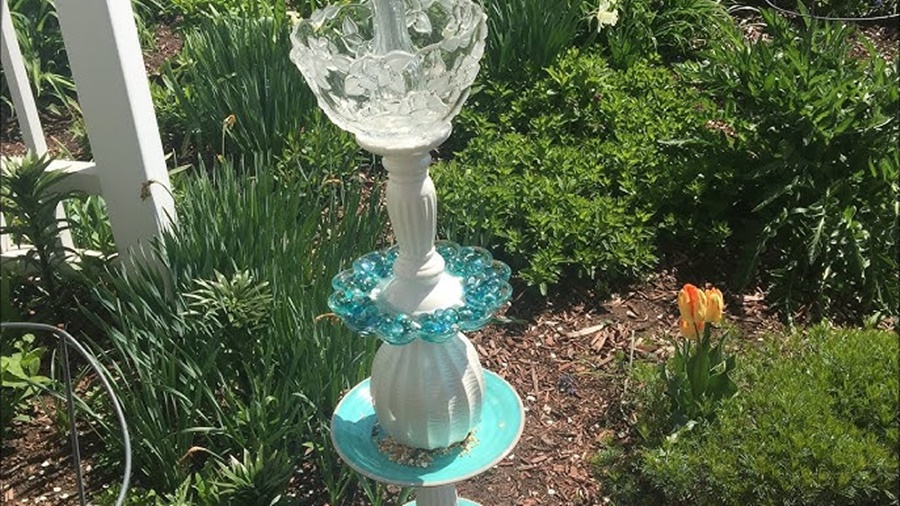
A bird bath is a wonderful addition to any garden, providing birds with a place to drink and bathe while adding beauty to outdoor spaces. Among the many materials available, glass bird baths and resin bird baths are two popular choices. Each has unique advantages and drawbacks, and choosing the right one depends on factors like durability, aesthetics, maintenance, and climate.
This article compares glass bird baths vs resin bird baths in detail to help you decide which one is the best fit for your garden.
What Is a Glass Bird Bath?
A glass bird bath is typically made from tempered or decorative glass and is often mounted on a metal or iron stand. These bird baths are known for their vibrant colors, artistic patterns, and reflective surfaces that can add elegance to any garden setting.
Glass bird baths are commonly used as decorative pieces because they combine functionality with artistic appeal.
Key Features of Glass Bird Baths
Made from tempered or decorative glass
Often placed on metal stands
Available in various colors and mosaic patterns
Smooth and shiny surface
What Is a Resin Bird Bath?
A resin bird bath is made from durable synthetic materials, usually polyresin or fiberglass resin. These baths are molded to resemble stone, metal, or ceramic but are much lighter in weight.
Resin bird baths are popular because they are affordable, durable, and resistant to weather conditions.
Key Features of Resin Bird Baths
Made from polyresin or fiberglass resin
Lightweight but sturdy
Often designed to mimic stone or antique finishes
Resistant to cracking and weather damage
Glass Bird Bath vs Resin Bird Bath: Key Differences
1. Appearance and Design
Glass Bird Baths
Glass bird baths are widely appreciated for their decorative beauty. They often feature colorful mosaics, hand-painted designs, or artistic patterns that reflect sunlight beautifully. This makes them a focal point in gardens or patios.
Resin Bird Baths
Resin bird baths focus more on practicality and classic garden aesthetics. They often imitate traditional materials such as stone, bronze, or carved marble. While attractive, they usually lack the vibrant colors and artistic detail found in glass bird baths.
Winner: Glass bird baths for visual appeal.
2. Durability
Glass Bird Baths
Even though many are made from tempered glass, they can still break if dropped or hit by heavy objects. Extreme temperature changes can also cause cracking in some cases.
Resin Bird Baths
Resin bird baths are far more durable. They are resistant to cracking, chipping, and weather damage. Because resin is flexible and strong, it handles impacts better than glass.
Winner: Resin bird baths.
3. Weight and Stability
Glass Bird Baths
The bowl itself is usually light, but the metal stand can vary in stability. In windy areas, lightweight stands may tip over.
Resin Bird Baths
Resin bird baths are lightweight overall, making them easy to move. However, higher-quality models are designed with heavier bases for stability.
Winner: Resin bird baths for practical use.
4. Maintenance and Cleaning
Glass Bird Baths
Glass surfaces are smooth, making them easy to clean. Dirt, algae, and bird droppings usually wash off quickly with water and mild soap.
However, decorative glass with grooves or textures may collect debris.
Resin Bird Baths
Resin bird baths may develop algae over time because of their textured surfaces. Cleaning can require more scrubbing compared to glass.
Winner: Glass bird baths.
5. Weather Resistance
Glass Bird Baths
Glass can be sensitive to extreme temperatures. In very cold climates, freezing water may cause cracking.
Resin Bird Baths
Resin is generally more weather-resistant. It can handle temperature changes, rain, and sunlight without cracking easily.
Winner: Resin bird baths.
6. Cost
Glass Bird Baths
Decorative glass bird baths can be more expensive, especially handcrafted or mosaic designs.
Resin Bird Baths
Resin bird baths are typically more affordable and widely available in different price ranges.
Winner: Resin bird baths for budget-friendly options.
Pros and Cons
Glass Bird Bath Pros
Beautiful decorative designs
Smooth surface for easy cleaning
Reflective colors enhance garden aesthetics
Glass Bird Bath Cons
Can break easily
Sensitive to extreme temperature changes
Often more expensive
Resin Bird Bath Pros
Highly durable
Weather resistant
Lightweight and easy to move
More affordable
Resin Bird Bath Cons
May not look as artistic as glass
Surface can develop algae faster
Some cheaper models may fade over time
Which Bird Bath Should You Choose?
Choose a Glass Bird Bath if:
You want a decorative centerpiece for your garden
Aesthetic appeal is your top priority
You prefer easy cleaning
Choose a Resin Bird Bath if:
You want long-lasting durability
Your area experiences harsh weather conditions
You prefer a budget-friendly option
Conclusion
Both glass and resin bird baths offer unique advantages. Glass bird baths stand out for their beauty and decorative appeal, making them perfect for enhancing garden aesthetics. On the other hand, resin bird baths are more durable, weather-resistant, and budget-friendly.
If you want a stylish garden feature, a glass bird bath is a great choice. But if you need a practical, long-lasting option, a resin bird bath will likely serve you better.
Ultimately, the best choice depends on your budget, climate, and design preference.