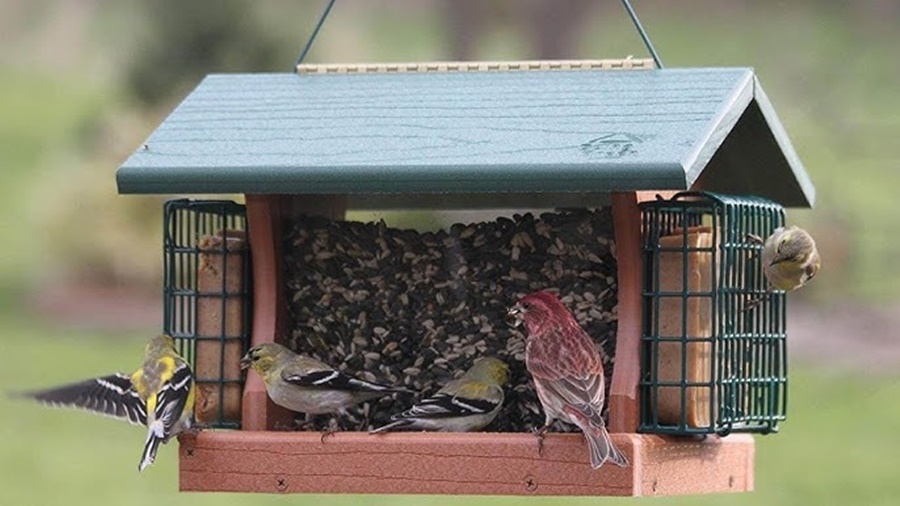
Feeding backyard birds is one of the most enjoyable ways to connect with nature. But if you’re trying to decide between a finch feeder and a sunflower feeder, it can be confusing especially with so many bird species to attract. In this article, we break down everything you need to know about these two popular feeder types so you can choose the right one for your feathered visitors.
What Is a Finch Feeder?
A finch feeder is a specialized bird feeder designed to attract small songbirds, especially finches. These feeders usually have:
Small feeding ports fit for tiny beaks
Tube shapes or mesh structures
Perches sized for small birds
Fine seeds, like nyjer (thistle)
Birds That Use Finch Feeders
Finch feeders mainly attract:
Goldfinches
House Finches
Purple Finches
Redpolls (seasonally)
What Is a Sunflower Seed Feeder?
A sunflower feeder is a bird feeder built to offer sunflower seeds—either black oil sunflower seeds or sunflower hearts. These feeders are more versatile and can come in various styles:
Hopper feeders
Tray/saucer feeders
Tube feeders with larger ports
Birds That Use Sunflower Feeders
Sunflower feeders attract a wider variety of species, including:
Cardinals
Chickadees
Titmice
Sparrows
Blue Jays
Finches too!
Finch Feeder: Pros and Cons
Pros
Specialized for Finches
Finch feeders are perfectly sized for tiny birds, making them ideal if finches are your favorite visitors.
Nyjer Seeds Are Highly Attractive
Nyjer seed especially brings in flocks of goldfinches during migration and breeding seasons.
Less Wasted Seed
Small ports mean larger, unwanted birds can’t dominate the feeder.
Cons
Limited Bird Diversity
Large birds can’t access the seed, so you miss out on watching cardinals, jays, and others.
Nyjer Is More Expensive
Fine thistle seed costs more than many other birdseed mixes.
Clogging Issues
If not housed in a quality feeder, tiny seeds like nyjer can clog feeding holes.
Sunflower Feeder: Pros and Cons
Pros
Attracts More Species
Sunflower seeds appeal to a much broader range of backyard birds.
Nutritious for Many Birds
Sunflower seeds are high in fat and protein, especially great in colder seasons.
Multiple Feeder Types Available
You can choose tray, tube, or hopper designs based on your backyard setup.
Cons
Can Be Messy
Sunflower seeds and shells often fall beneath feeders and create waste under feeding areas.
Dominant Birds May Hog the Feeder
Large, aggressive birds like jays can prevent smaller ones from feeding.
Squirrels Love Them Too
Sunflower seeds are a favorite among squirrels, making these feeders more susceptible to pest issues.
Which Is Best for Your Yard?
The answer depends on your goals:
Choose a Finch Feeder if:
You specifically want finches
You enjoy watching small songbirds
You’re okay with a limited variety of birds
Choose a Sunflower Feeder if:
You want diversity in bird visitors
You prefer larger, showier birds
You don’t mind cleaning up seed debris
Tips for Success with Either Feeder
1. Placement Matters
Place feeders near shrubs or trees for birds to perch and feel safe.
Avoid areas with too much wind or direct rain exposure.
2. Keep Feeders Clean
Wash feeders every 1–2 weeks to prevent disease.
Discard moldy or wet seeds immediately.
3. Fresh Seed Is Key
Replace old seed regularly.
Finches especially prefer fresh nyjer, which can spoil fast.
4. Use Multiple Feeders
Offering both types gives you the best of both worlds—finches and other backyard favorites!
Conclusion
Both finch feeders and sunflower seed feeders have a place in a bird-lover’s yard. If your priority is small finches and unique songbirds, a finch feeder with nyjer seed is the best choice. But if you want a bustling feeder full of a variety of species, a sunflower seed feeder delivers more diversity and excitement.
You don’t have to choose just one using both feeders together creates a vibrant, lively backyard bird ecosystem.