Bird baths are a wonderful addition to any garden. They attract birds, provide them with a safe place to drink and bathe, and add beauty to outdoor spaces. When choosing a bird bath, two of the most common materials are ceramic and concrete. Each has its own advantages and drawbacks, and the best choice depends on your climate, garden style, and maintenance preferences.
This article explores the differences between ceramic and concrete bird baths in terms of durability, maintenance, design, cost, and overall performance.
What Is a Ceramic Bird Bath?
A ceramic bird bath is made from fired clay that is often glazed to create a smooth, shiny surface. Ceramic bird baths are known for their decorative appearance and are often painted with vibrant colors or artistic patterns.
They are popular for patios, small gardens, and decorative landscapes where appearance is important.
Key Features of Ceramic Bird Baths
Made from kiln-fired clay
Usually glazed for a smooth finish
Often colorful or decorative
Typically lighter than concrete
What Is a Concrete Bird Bath?
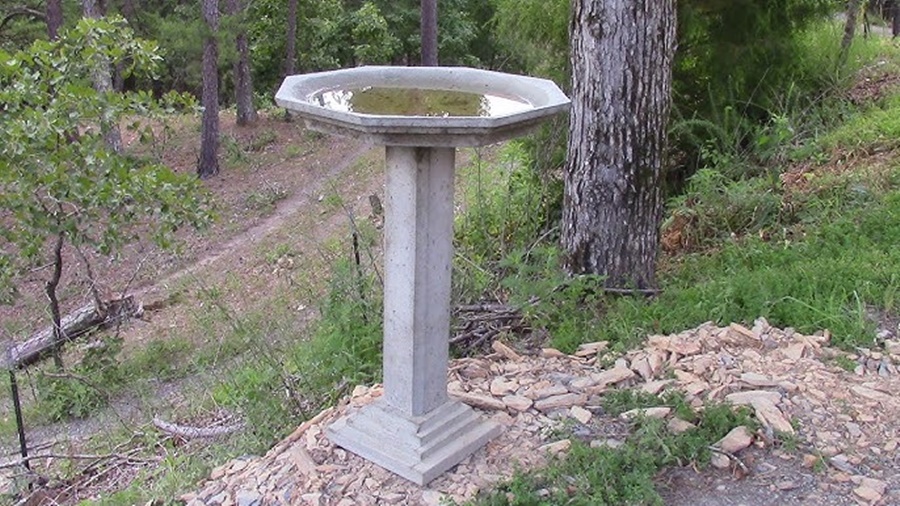
Concrete bird baths are made from a mixture of cement, sand, and water molded into shape. They are typically heavier and more durable than ceramic models.
Concrete bird baths often have a natural stone-like appearance and blend well with traditional or rustic garden designs.
Key Features of Concrete Bird Baths
Made from molded cement mixture
Very heavy and stable
Usually neutral or stone-like colors
Highly durable in outdoor conditions
Ceramic Bird Bath vs Concrete Bird Bath
Below is a detailed comparison of the two types.
1. Durability
Concrete Bird Bath
Concrete bird baths are extremely durable and can last for many years. Their heavy structure allows them to withstand strong winds, storms, and outdoor wear.
However, over time they may develop small cracks due to weather exposure or freezing temperatures.
Ceramic Bird Bath
Ceramic bird baths are less durable compared to concrete. They can crack or break if dropped or exposed to extreme weather conditions. In freezing climates, water trapped inside can expand and damage the ceramic.
Winner: Concrete bird bath
2. Weight and Stability
Concrete
Concrete bird baths are very heavy. This makes them extremely stable and difficult to tip over, even in windy conditions.
However, their weight can also make them difficult to move or reposition.
Ceramic
Ceramic bird baths are lighter, making them easier to move around the garden. The downside is that they may tip over if not placed securely.
Winner:
Stability: Concrete
Portability: Ceramic
3. Appearance and Design
Ceramic
Ceramic bird baths are often more decorative. They come in many colors, patterns, and artistic designs that can enhance the beauty of a garden or patio.
They work especially well in modern or decorative landscapes.
Concrete
Concrete bird baths usually have a more natural, classic appearance. They often mimic stone and fit well in traditional gardens or large landscapes.
Winner: Ceramic (for decorative variety)
4. Maintenance
Concrete
Concrete bird baths may develop algae or moss more easily because of their porous surface. Regular scrubbing is often needed to keep them clean.
Sealing the concrete can help reduce this issue.
Ceramic
Ceramic bird baths have a smooth glazed surface that is easier to clean. Dirt, algae, and bird droppings can be wiped away more easily.
Winner: Ceramic bird bath
5. Weather Resistance
Concrete
Concrete performs well in most outdoor conditions. However, in regions with freezing winters, water can seep into small cracks and cause damage over time.
Ceramic
Ceramic bird baths are more vulnerable to temperature changes. If water freezes inside them, it can cause cracking or chipping.
Winner: Concrete (generally better outdoors)
6. Cost
Ceramic Bird Baths
Ceramic bird baths can range from moderately priced to expensive, especially if they feature hand-painted designs or artistic craftsmanship.
Concrete Bird Baths
Concrete bird baths are often more affordable, especially for larger sizes.
Winner: Concrete bird bath (usually more budget-friendly)
7. Longevity
Concrete bird baths generally last longer because they are tougher and less prone to accidental damage.
Ceramic bird baths can last many years if handled carefully and protected from extreme weather.
Winner: Concrete bird bath
Pros and Cons Summary
Ceramic Bird Bath
Pros
Attractive and decorative
Available in many colors and designs
Easier to clean
Lightweight and portable
Cons
Can crack or break easily
Less stable in strong winds
Sensitive to freezing temperatures
Concrete Bird Bath
Pros
Extremely durable
Heavy and stable
Long lifespan
Usually more affordable
Cons
Very heavy and hard to move
Can grow algae due to porous surface
Limited decorative options
Which Bird Bath Should You Choose?
Your choice depends on your garden needs:
Choose a ceramic bird bath if:
You want a decorative garden feature
You prefer bright colors and artistic designs
You want something easy to clean and move
Choose a concrete bird bath if:
You want maximum durability
Your garden experiences strong winds
You prefer a natural stone appearance
You want a long-lasting outdoor fixture
Conclusion
Both ceramic and concrete bird baths provide birds with a valuable water source and add charm to your garden. Ceramic bird baths stand out for their beauty and easy maintenance, while concrete bird baths excel in durability and stability.
If aesthetics and portability matter most, ceramic is a great choice. If you want a long-lasting, sturdy option that can withstand the elements, a concrete bird bath may be the better investment.
By understanding the strengths and weaknesses of each material, you can select the bird bath that best suits your garden and helps create a welcoming environment for birds.