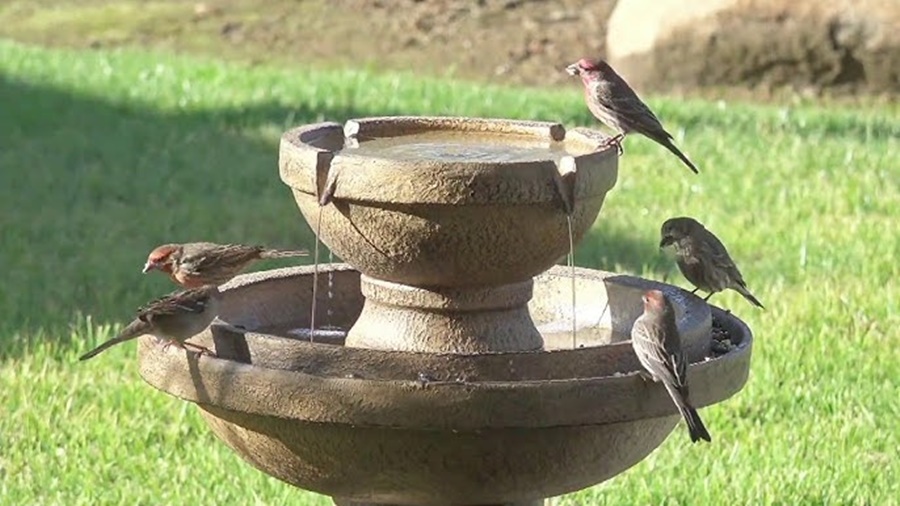
Providing water for birds is one of the best ways to attract wildlife to your garden. Birds need water not only for drinking but also for bathing, cooling off, and maintaining healthy feathers. Two of the most common options for backyard bird watering are bird baths and bird fountains. While both serve the same basic purpose, they differ in design, functionality, maintenance, and the types of birds they attract.
This article explains the differences between bird baths and bird fountains to help you decide which option is best for your garden.
What Is a Bird Bath?
A bird bath is a shallow basin designed to hold water for birds to drink and bathe in. It is usually mounted on a pedestal, placed on the ground, or attached to a deck railing.
Key Features of a Bird Bath
Simple design: A shallow bowl that holds water
No moving water: The water remains still
Easy installation: Just place it and fill it with water
Various materials: Commonly made from stone, ceramic, plastic, or metal
Advantages of a Bird Bath
1. Affordable
Bird baths are usually less expensive than fountains, making them a good option for beginners.
2. Easy to Install
No electricity, pumps, or plumbing are required.
3. Low Maintenance
Cleaning and refilling water is generally simple.
4. Decorative Appeal
Many bird baths are designed as decorative garden features.
Disadvantages of a Bird Bath
1. Water Gets Dirty Quickly
Leaves, dust, and bird droppings can accumulate in still water.
2. May Attract Mosquitoes
Standing water can become a breeding ground if not changed regularly.
3. Less Attractive to Some Birds
Many birds prefer moving water because it is easier to detect.
What Is a Bird Fountain?
A bird fountain is a water feature that circulates water using a pump. The flowing or bubbling water attracts birds and helps keep the water fresh.
Key Features of a Bird Fountain
Moving water created by a pump
Recirculating system that keeps water flowing
Electric or solar-powered options
Often part of a decorative garden fountain
Advantages of a Bird Fountain
1. Attracts More Birds
Birds are naturally drawn to the sound and movement of flowing water.
2. Fresher Water
Circulating water reduces stagnation and can help prevent mosquito breeding.
3. Visual and Sound Appeal
The sound of running water adds a relaxing atmosphere to the garden.
4. Better Water Oxygenation
Moving water stays healthier and cleaner for longer periods.
Disadvantages of a Bird Fountain
1. Higher Cost
Fountains are usually more expensive due to pumps and additional components.
2. Requires Power
Electric fountains need an outlet, while solar ones depend on sunlight.
3. More Maintenance
Pumps must be cleaned and maintained to prevent clogging.
4. Installation Effort
Setting up a fountain may take more time and planning.
Key Differences Between Bird Bath and Bird Fountain
| Feature | Bird Bath | Bird Fountain |
|---|---|---|
| Water Movement | Still water | Flowing or bubbling water |
| Cost | Usually cheaper | More expensive |
| Installation | Very easy | Requires pump or power source |
| Bird Attraction | Moderate | Higher due to moving water |
| Maintenance | Simple cleaning | Pump and system maintenance |
| Mosquito Risk | Higher if water is not changed | Lower due to water circulation |
Which One Is Better for Your Garden?
The better option depends on your garden setup, budget, and personal preferences.
Choose a Bird Bath If:
You want a simple and affordable solution
You prefer easy setup and minimal equipment
Your garden does not have easy access to electricity
You don’t mind changing water frequently
Choose a Bird Fountain If:
You want to attract more bird species
You enjoy the sound and appearance of flowing water
You are willing to handle pump maintenance
Your garden has power access or good sunlight for solar models
Tips for Attracting Birds to Water Features
Regardless of whether you choose a bird bath or fountain, these tips can help attract more birds:
1. Keep Water Shallow
Birds prefer water that is about 2–3 inches deep.
2. Place in a Safe Location
Position the water source near trees or shrubs so birds have a place to escape predators.
3. Clean Regularly
Fresh water is essential to prevent disease.
4. Add Stones or Perches
Small rocks allow birds to stand while drinking or bathing.
5. Provide Shade
Shade helps keep water cooler and slows evaporation.
Conclusion
Both bird baths and bird fountains provide essential water sources for birds, but they offer different experiences for both birds and gardeners. A bird bath is simple, affordable, and easy to maintain, while a bird fountain offers the added benefits of moving water, increased bird attraction, and a more dynamic garden feature.
If you want a low-cost and low-effort solution, a bird bath is an excellent choice. However, if you are looking to create a lively bird-friendly environment with the sound of flowing water, a bird fountain may be the better option.
Either way, adding a water source to your garden is a great step toward supporting local bird populations and enjoying more wildlife in your outdoor space.