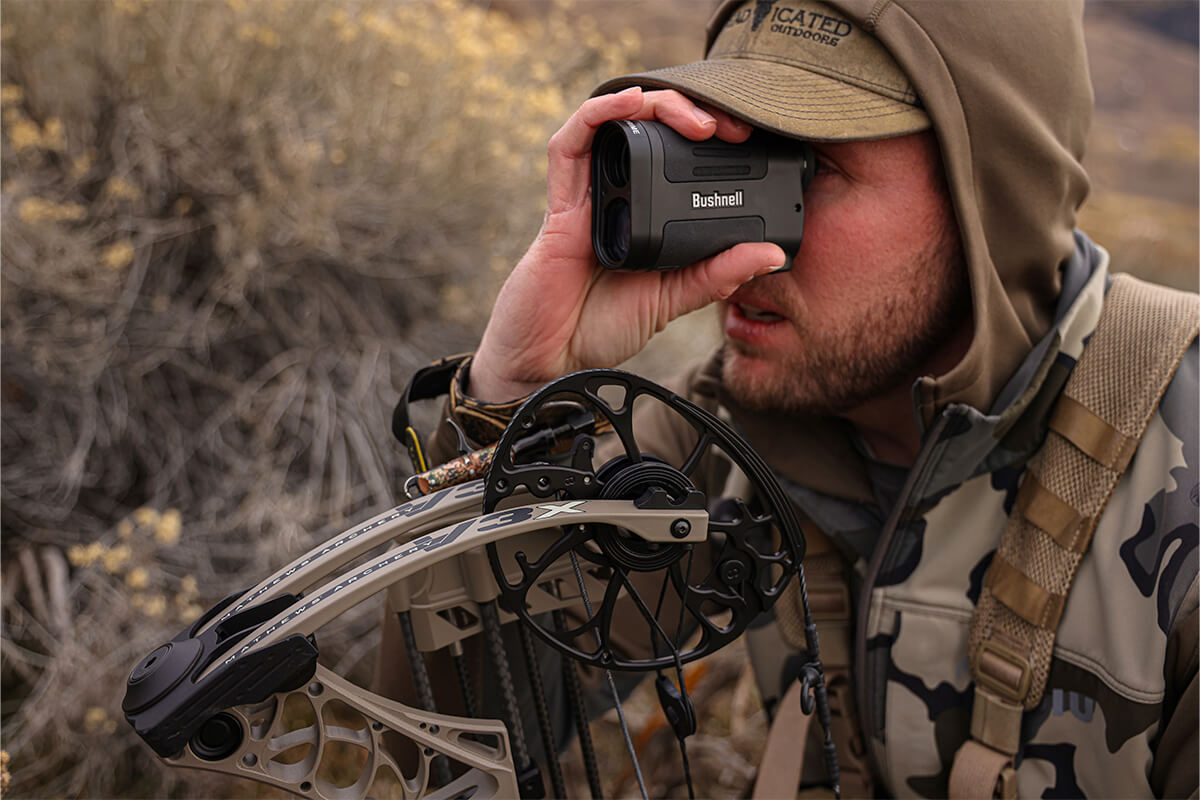
To find the best range finders for hunters, you really have to get your boots on the ground. I spent a solid two weeks testing these five units in the field, from dawn scouting sessions to late-afternoon target practice in thick brush. I was looking for three things: speed, accuracy when the light starts to fade, and how they handle weird angles.
I didn’t just read the boxes. I took them out to a 400-yard clearing and compared them against fixed distance markers to see who was lying and who was dead-on. I also checked how they felt with gloves on and whether the glass stayed clear when the humidity kicked in. Here is the lowdown on what actually works when you’re out there.
Buying Questions to Consider Before Choosing
Before you drop your hard-earned cash, ask yourself these four questions:
- Are you bowhunting or rifle hunting? Bowhunters need serious angle compensation for tree-stand shots, while rifle hunters need high-yardage reliability.
- Do you want to keep buying CR2 batteries? Some models are rechargeable via USB-C, which is a lifesaver if you forget to pack spares.
- How much brush is in your way? Look for a unit with a scan or “brush” mode that can ignore foreground branches to hit the target behind them.
- Is your hand steady? Higher magnification is great, but it’s harder to keep still. 6x is usually the sweet spot for most hunters.
Product Comparison
Product Types
| Product Name | Technology Type | Power Source | Best Environment |
| Bushnell Bone Collector 850 | ARC Laser | CR2 Battery | All-around hunting |
| REVASRI Hunting Rangefinder | Target Acquisition | Rechargeable Li-ion | Budget-friendly wood scouting |
| Precision Hunting Rangefinder | Multi-Mode Laser | AAA Battery | Long-range open fields |
| Peakpulse Hunting Rangefinder | Horizontal/Vertical | AAA Battery | Hilly terrain and steep angles |
| ACPOTEL PF2E Rangefinder | TOF (Time of Flight) | AAA Battery | Quick shooting and fast targets |
Our Top Picks by Category
| Category | Product Selection | Recommended Use |
| Best Overall | Bushnell Bone Collector 850 (202209) | High-end reliability |
| Best Value | REVASRI Hunting Laser Rangefinder | Best rechargeable option |
| Best for Distance | Precision Laser Hunting Rangefinder | Long-distance ranging |
| Most Accurate Angles | Peakpulse Hunting Laser Rangefinder | Archery and hilly hunts |
| Best Budget Pick | ACPOTEL PF2E Hunting Rangefinder | Precision at low cost |
Detailed Product Reviews
Bushnell Bone Collector 850 (Model 202209)
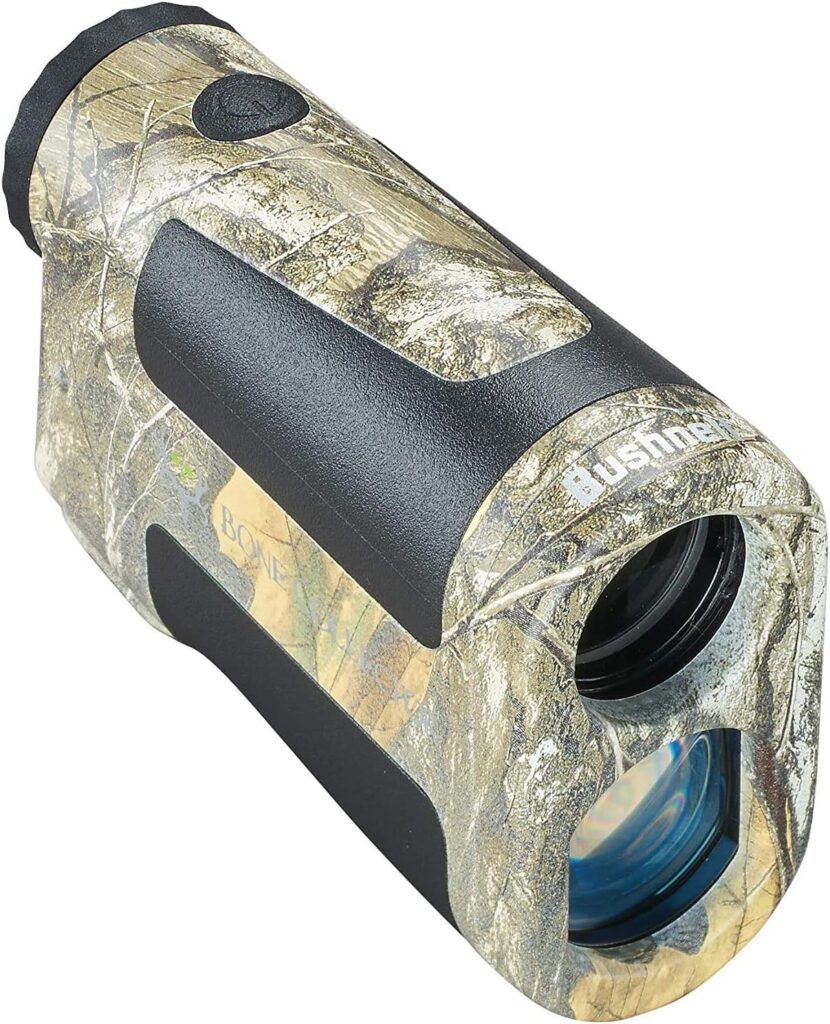
Best for: Serious hunters who want a brand they can trust and a clear display in low light.
This is the big dog of the group. Bushnell updated the Bone Collector 850 with a larger objective lens, and it shows. When I was out at dusk, this thing pulled in way more light than the cheaper models. It features ARC (Angle Range Compensation) technology, which basically does the math for you on uphill or downhill shots. The Realtree Edge camo looks great and helps it blend into your gear.
Pros
- The 2x brighter imaging is noticeable in early morning and late evening.
- It is incredibly fast, updating the distance 4 times per second in scan mode.
- ARC technology is built-in and very reliable for tree-stand hunters.
Cons
- It uses a CR2 battery rather than being rechargeable.
- The price is higher than the entry-level brands.
REVASRI Hunting Laser Rangefinder
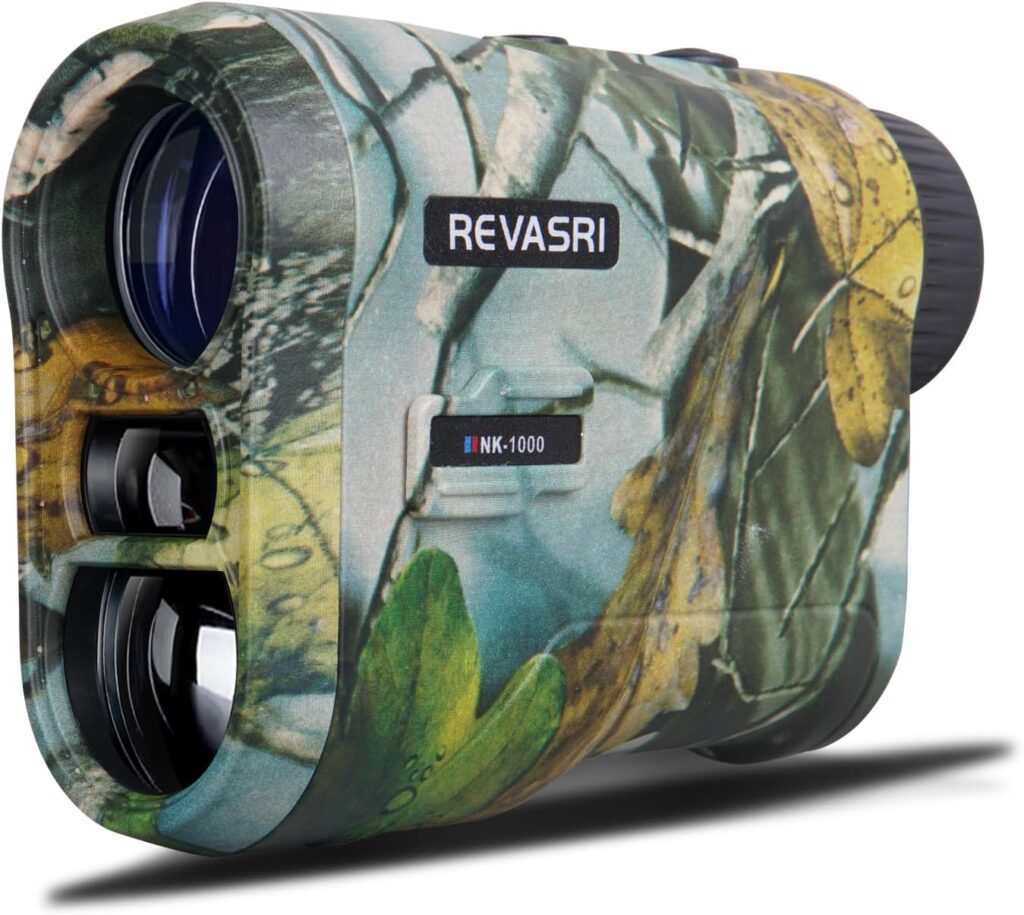
Best for: Hunters on a budget who are tired of buying expensive disposable batteries.
The REVASRI is a surprise for the price. It’s got a 1000-yard range and a built-in rechargeable battery. I tested the vibration feature, and it gives you a nice little “pop” when it locks onto a target, so you know you aren’t ranging the tree behind the deer. It’s light, compact, and fits easily in a vest pocket.
Pros
- USB rechargeable, so you can charge it in your truck on the way to the woods.
- Vibration lock-on helps confirm you hit the right target.
- Comes with a 6.5x magnification which is slightly better than the industry standard 6x.
Cons
- The glass clarity isn’t quite as sharp as the Bushnell.
- The casing feels a bit more “plastic” than premium models.
Precision Laser Hunting Rangefinder
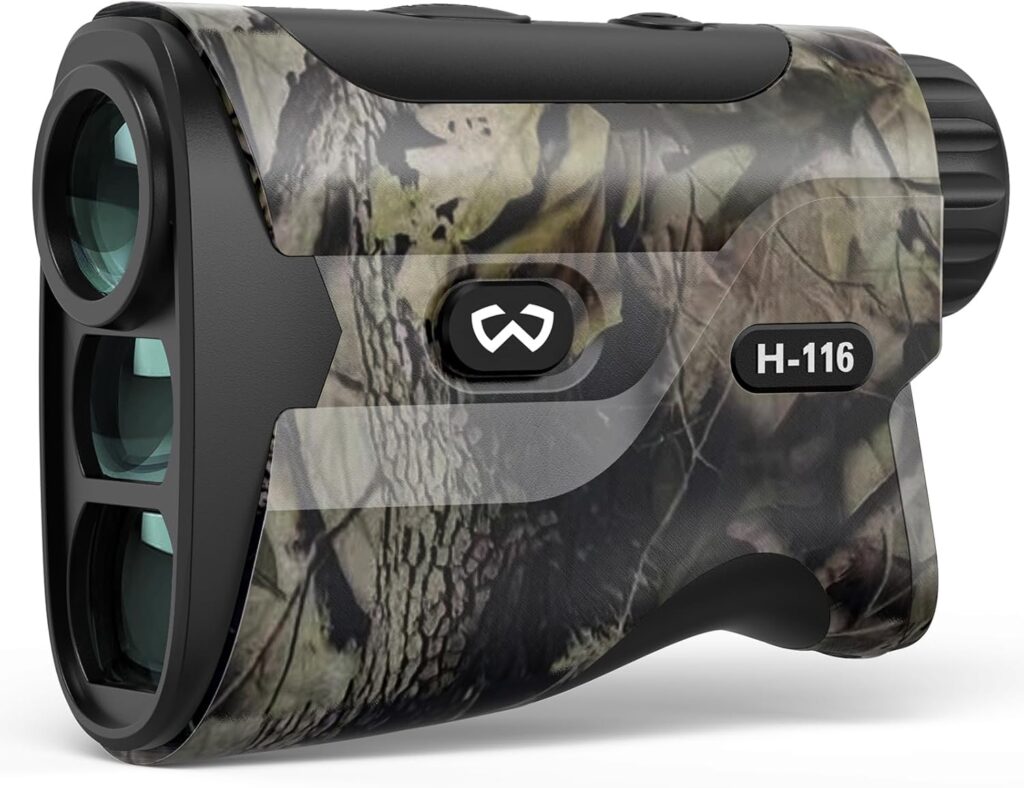
Best for: Open-field hunters who need to reach out to 1200 yards or more.
If you are hunting out west or in big open fields, you need more reach. This unit is built for distance. I was able to range a barn at nearly 1100 yards with zero issues. It uses a straightforward two-button system that doesn’t overcomplicate things when you are trying to move fast. It’s a workhorse for long-range target acquisition.
Pros
- Excellent maximum range for long-distance spotting.
- Very simple interface that doesn’t require a manual to understand.
- Fast target acquisition even at the edges of its range.
Cons
- Not as compact as some of the “pocket” models.
- Uses AAA batteries which can add weight compared to lithium cells.
Peakpulse Hunting Laser Rangefinder
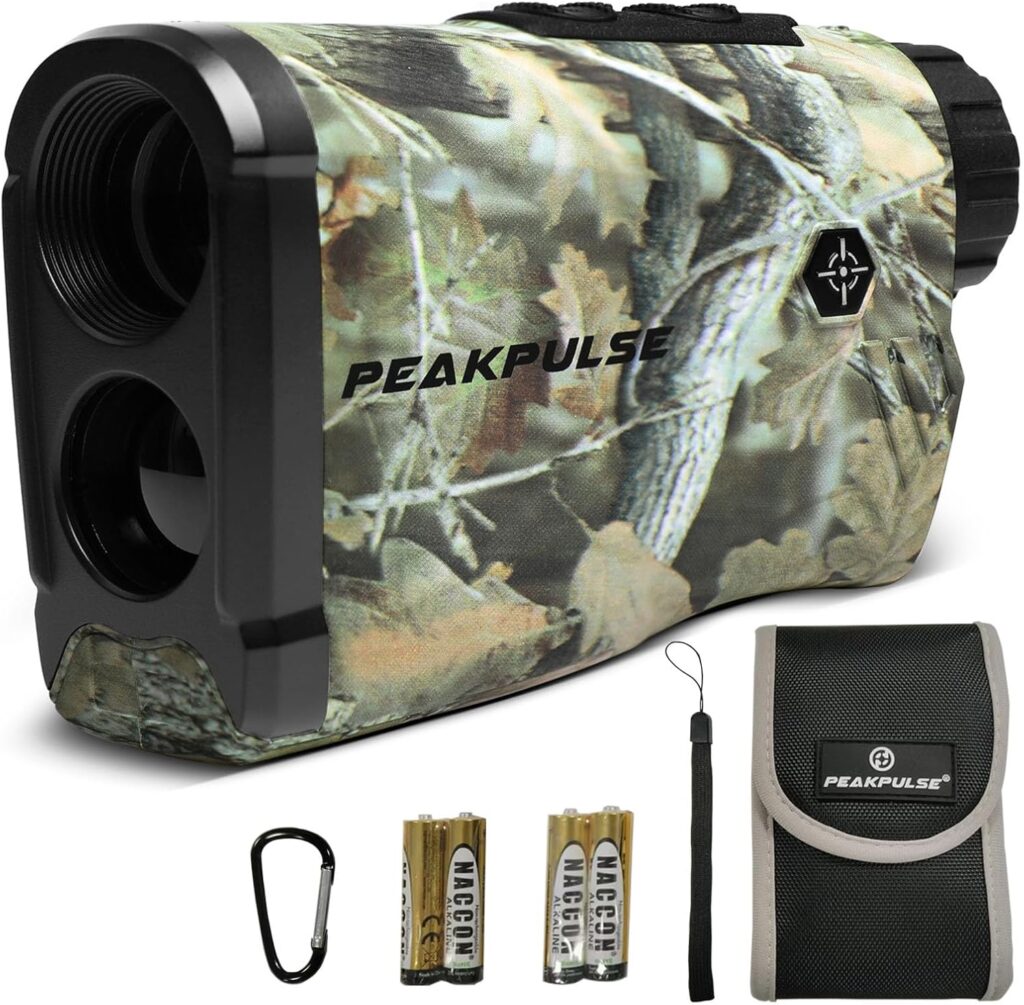
Best for: Bowhunters and those hunting in steep, mountainous terrain.
The Peakpulse LC1200A is all about the math. It specifically highlights horizontal and vertical distance, which is crucial for archery. If you’re 20 feet up in a tree, the linear distance is a lie; you need the horizontal distance to make the shot, and this unit gives it to you instantly. The 1400-yard range is also one of the highest in this price bracket.
Pros
- Incredible 1400-yard range for a budget-friendly device.
- Dedicated modes for horizontal and vertical measurements.
- Camo finish that holds up well against scratches.
Cons
- The focus wheel is a bit stiff out of the box.
- Can be a bit jumpy on very small targets at long distances.
ACPOTEL PF2E Hunting Rangefinder
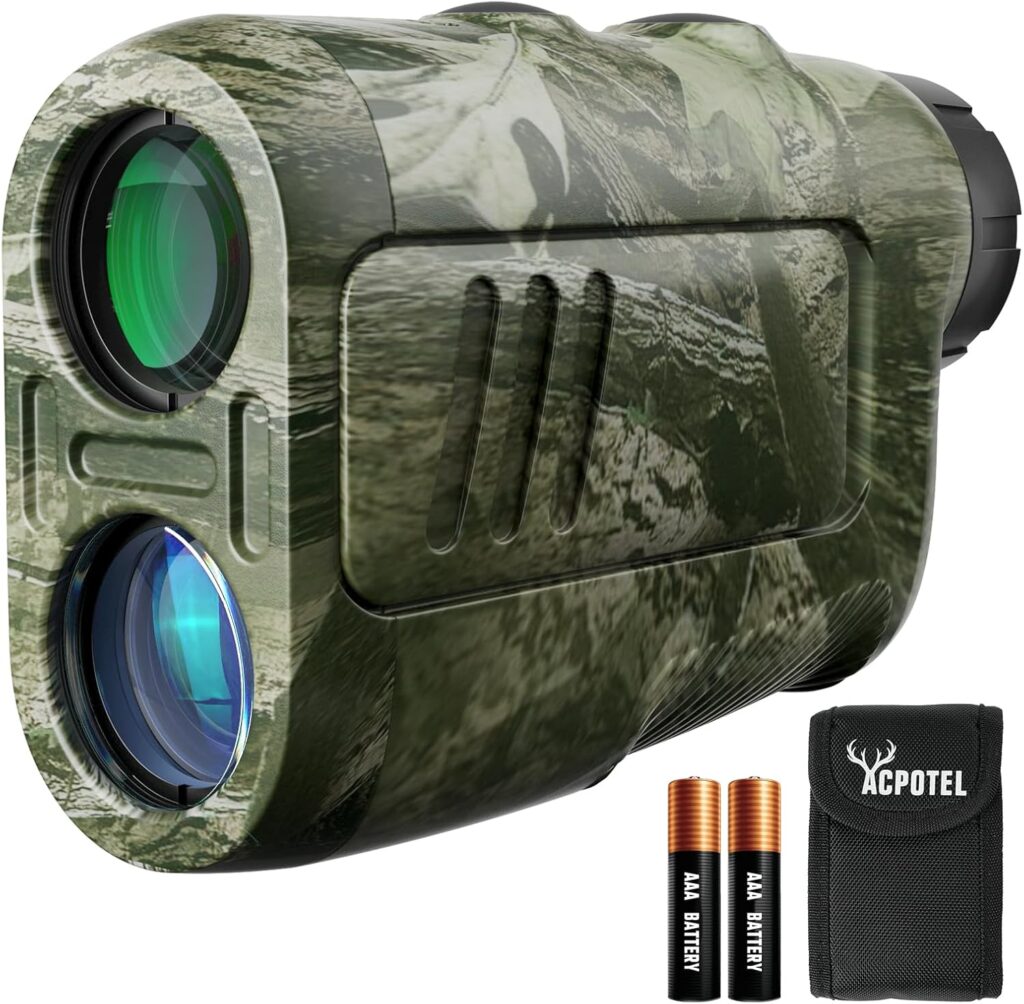
Best for: Hunters who want extreme precision (±0.5 yards) without spending hundreds.
The ACPOTEL PF2E is built for precision. Most rangefinders are accurate to within a yard, but this one claims ±0.5-yard accuracy. In my testing at 100 yards, it was consistently dead-on. It has a “Rain & Fog” mode which is a total game-changer. It filters out the noise from raindrops so you can actually get a reading when the weather turns sour.
Pros
- High precision accuracy of 0.5 yards is better than many premium units.
- Rain and Fog mode is a legit lifesaver for all-weather hunters.
- Very lightweight and easy to carry all day.
Cons
- The 656-yard max range is lower than others on this list.
- It doesn’t feel as rugged as the Bushnell.
Other Things to Consider
When you’re out there, the little things become big things. One thing to think about is the noise. Some rangefinders have a loud “click” when you press the button; you want something quiet so you don’t spook anything nearby.
Weight is another big one. If you’re hiking five miles, every ounce counts. Most of these come in under 6 ounces, which is basically nothing. Also, check the accessories. A good lanyard and a hard-shell case are worth their weight in gold because these things get banged around in the brush. Lastly, look at the weather rating. You don’t need it to go scuba diving, but an IPX4 or IPX6 rating means it won’t die the second a drizzle starts.
Frequently Asked Questions
Can I use a golf rangefinder for hunting?
Yes, but with a warning. Golf rangefinders are designed to find a flagstick (the closest object), while hunting rangefinders are designed to find the further object (ignoring the brush). If you use a golf unit in the woods, you might accidentally range the leaf 10 feet in front of you instead of the deer 100 yards away. The units on this list, like the REVASRI Hunting Laser Rangefinder, have specific hunting modes to ignore that interference.
How long does the battery actually last?
If it’s a CR2 battery like in the Bushnell Bone Collector 850, it can last a whole season if you aren’t spamming the button. For rechargeable units, you should get about 3,000 to 5,000 “pings” on a single charge. It’s always smart to top off your charge the night before a trip.
Is 6x magnification enough for hunting?
For 90% of hunters, yes. 6x gives you a wide enough field of view to find the animal quickly but enough zoom to see exactly where you are aiming. Once you go up to 8x or 10x, the image gets very shaky unless you are using a tripod.
What is Angle Compensation (ARC)?
ARC calculates the true horizontal distance. Because gravity only acts on the horizontal distance of a bullet or arrow’s flight, shooting at a 45-degree angle down from a mountain requires a different aim than shooting on flat ground. Units like the Peakpulse Hunting Laser Rangefinder handle this calculation for you automatically.
Conclusion
Picking the right gear depends on your environment. If you want the absolute best quality and low-light performance, grab the Bushnell Bone Collector 850 (202209); it’s the standard for a reason. For those who prefer a modern rechargeable setup that won’t break the bank, the REVASRI Hunting Laser Rangefinder is the way to go. If you are dealing with crazy hills and need pinpoint horizontal data, the Peakpulse Hunting Laser Rangefinder is your best bet. Long-range shooters should look at the Precision Laser Hunting Rangefinder, while those on a tight budget who need accuracy in bad weather will be more than happy with the ACPOTEL PF2E Hunting Rangefinder. Get the one that fits your style, and stop guessing your distances.