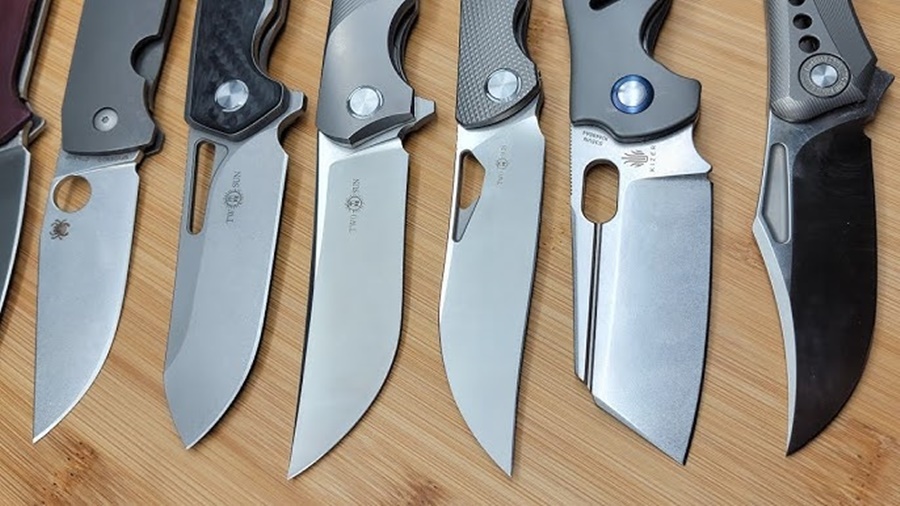
Choosing the right hunting knife is one of the most important decisions a hunter can make. While handle materials, steel type, and size all matter, the blade shape largely determines how the knife performs in real hunting tasks. From field dressing and skinning to meat processing and camp chores, different blade shapes excel at different jobs.
This article explores the best blade shapes for hunting knives, explains how each works, and helps you decide which is best for your needs.
Why Blade Shape Matters in a Hunting Knife
The blade shape affects:
- Cutting efficiency
- Control and precision
- Strength and durability
- Safety during field dressing
- Ease of skinning and meat processing
A well-chosen blade shape can make skinning faster, reduce meat damage, and improve overall control especially when working inside an animal’s body cavity.
1. Drop Point Blade
Overview
The drop point is widely considered the best all-around blade shape for hunting. The spine gently slopes downward from the handle to the tip, creating a strong, controllable point.
Advantages
- Strong tip with low risk of snapping
- Excellent control during field dressing
- Ideal for skinning and general cutting
- Less likely to puncture organs accidentally
Best Uses
- Field dressing big game (deer, elk, moose)
- Skinning
- General hunting tasks
Why Hunters Love It
The drop point offers balance, strength, and safety. Its curved belly allows smooth slicing, while the lowered tip gives precision without being overly aggressive.
2. Clip Point Blade
Overview
A clip point blade looks like part of the spine has been “clipped” away near the tip, forming a sharper, thinner point. The Bowie knife is the most famous example.
Advantages
- Extremely sharp, precise tip
- Excellent for detailed cutting
- Good penetration capability
Best Uses
- Small game processing
- Precision cuts
- Caping and detail work
Limitations
- Thinner tip is more fragile
- Higher risk of accidental punctures during gutting
Verdict
Clip point blades are excellent for skilled hunters who need precision, but they require more care during use.
3. Skinning Blade (Trailing Point)
Overview
The skinning blade, also called a trailing point blade, has a spine that curves upward, placing the tip higher than the handle. This creates a long, curved cutting edge.
Advantages
- Outstanding slicing performance
- Minimal puncturing risk
- Ideal for hide removal
Best Uses
- Skinning large animals
- Processing hides
- Long, sweeping cuts
Limitations
- Tip is weaker
- Less versatile for general tasks
Verdict
This blade shape is unbeatable for skinning but is best paired with another knife for field dressing.
4. Gut Hook Blade
Overview
A gut hook blade includes a sharpened hook on the spine near the tip, designed specifically to open an animal’s abdomen safely.
Advantages
- Prevents puncturing intestines
- Clean, controlled opening of the body cavity
- Speeds up field dressing
Best Uses
- Field dressing big game
- Hunters prioritizing speed and cleanliness
Limitations
- Hook can be difficult to sharpen
- Limited use outside gutting
Verdict
Gut hook blades are excellent for hunters who want efficiency but may not replace a traditional blade entirely.
5. Spear Point Blade
Overview
A spear point blade has a symmetrical shape with the tip centered on the blade’s axis. While common in tactical knives, it appears occasionally in hunting knives.
Advantages
- Strong tip
- Balanced design
- Good penetration
Best Uses
- Small game
- Utility cutting
Limitations
- Less belly for skinning
- Not optimized for meat processing
Verdict
Spear point blades are functional but not ideal for dedicated hunting tasks.
6. Upswept Blade
Overview
An upswept blade has an exaggerated curve in the cutting edge, even more pronounced than a drop point.
Advantages
- Long cutting edge
- Excellent slicing efficiency
Best Uses
- Skinning
- Meat processing
Limitations
- Reduced tip strength
- Less control for detailed cuts
Verdict
Great for skinning specialists, but not the most versatile option.
Choosing the Right Blade Shape for Your Hunt
For Big Game Hunters
- Drop point
- Drop point with gut hook
For Skinning-Focused Hunters
- Trailing point
- Upswept blade
For Small Game and Precision Work
- Clip point
For All-Purpose Hunting
- Drop point (best overall choice)
Fixed Blade vs Folding Blade Considerations
While blade shape is crucial, it works best when paired with the right knife type:
- Fixed blades are stronger and easier to clean
- Folding knives are lighter and easier to carry
For serious hunting, most professionals prefer a fixed blade drop point design.
Conclusion
The best blade shape for a hunting knife depends on how you hunt, what game you pursue, and your personal preferences. However, if versatility, safety, and performance are your priorities, the drop point blade remains the gold standard.
Many experienced hunters carry two knives a drop point for field dressing and a trailing point for skinning to cover every task efficiently.
Choosing the right blade shape will improve your efficiency, reduce fatigue, and help ensure clean, ethical processing of game in the field.