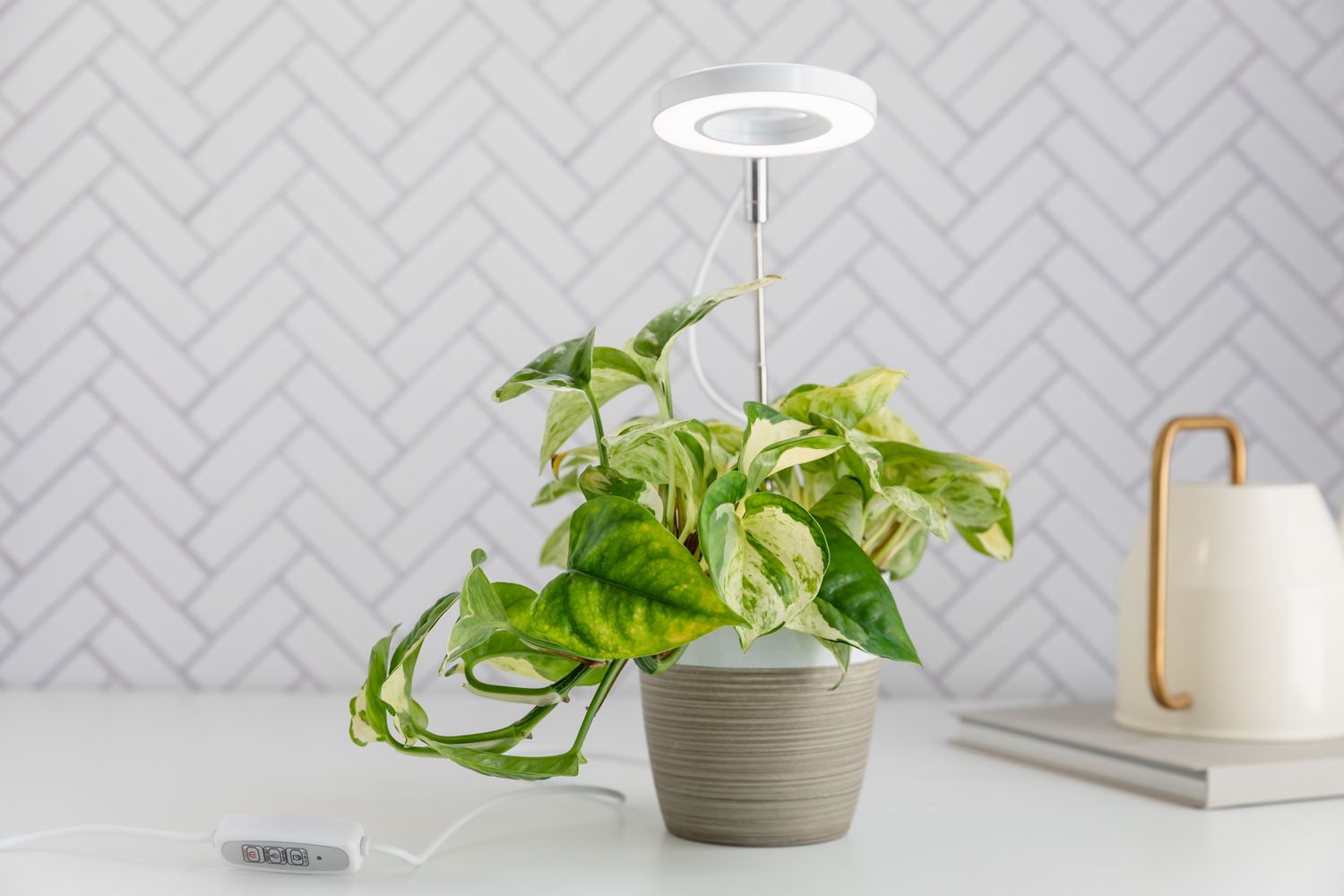
Indoor gardening has become increasingly famous in recent years, and grow lights are essential for promoting plant growth in these environments. However, there are increasing concerns about the safety of using these lights, particularly their effects on human health. This blog post will explore the different types of grow lights, their potential risks, and best practices for using them safely.
What Grow Lights?
Grow lights are artificial lighting sources that provide the necessary light spectrum for plant growth. They mimic natural sunlight, which is essential for photosynthesis. Grow lights are crucial to indoor gardening, where natural sunlight is limited.
Types of Grow Lights
Three main types of grow lights are LED, fluorescent, and high-intensity discharge (HID). LED lights are becoming increasingly popular due to their long lifespan, power efficiency, and ability to emit specific wavelengths of light. Fluorescent lights are affordable and provide a full spectrum, but they are less energy efficient than LEDs. HID lights are the most powerful but also the most expensive and can generate a lot of heat.
Are Grow Lights Safe for Humans?
While grow lights are generally considered safe for plants, there are potential risks associated with their use for humans. These risks include eye damage from exposure to high-intensity light, skin damage from ultraviolet (UV) radiation, and disruptions to circadian rhythms due to prolonged exposure to light. However, these risks can be minimized with appropriate precautions and safety measures.
Risks Associated with Using Grow Lights
The health effects of grow lights on humans can include disrupted sleep patterns, changes in mood, and reduced cognitive function. Prolonged exposure to blue light, which many LED emits grow lights, can suppress the production of melatonin, a hormone that regulates sleep. It can lead to difficulty falling asleep, staying asleep, and waking up feeling rested. Exposure to UV radiation can also damage the skin, leading to premature aging and an enhanced risk of skin cancer.
How to Minimize Risks
To minimize the risks associated with using grow lights, it is crucial to use appropriate safety measures. It can include wearing protective eyewear and clothing, using grow lights with appropriate wavelengths and durations, and setting up grow rooms properly. It is also essential to take breaks from exposure to grow lights and to avoid prolonged exposure.
Conclusion
While grow lights are necessary for indoor gardening, using them safely and responsibly is essential to minimize potential risks to human health. By following best practices and taking appropriate safety measures, you can enjoy the benefits of grow lights without compromising your health.