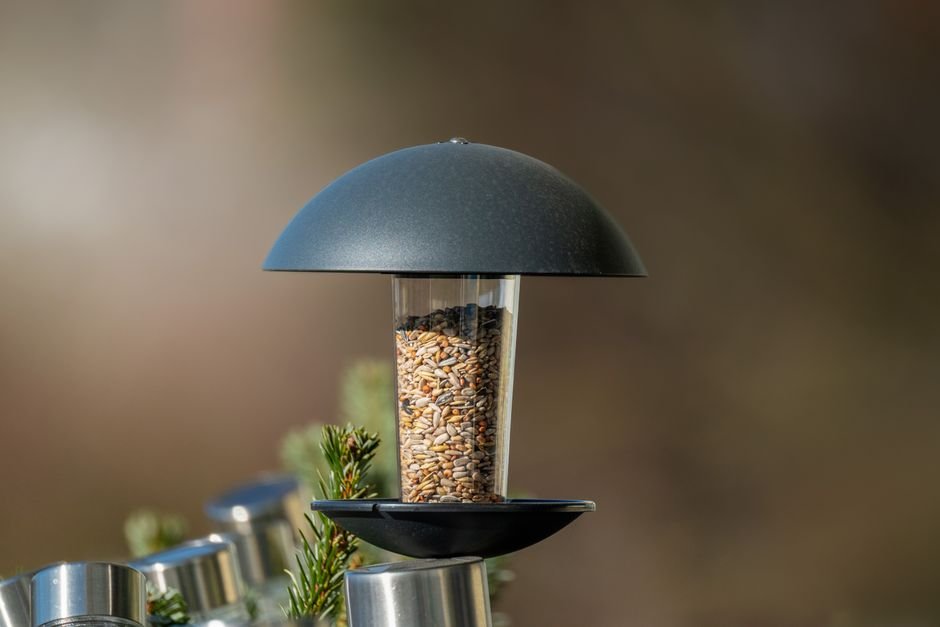
70% of bird species are picky eaters, often favoring specific seeds over others. It's a common mistake to think any birdseed mix will attract your desired visitors, but understanding their preferences is crucial for effective feeding. After researching their dietary needs, I found that certain seeds are vital for a bird's health.
The primary reason birds gravitate towards particular seeds lies in their nutritional value. Different species have distinct dietary requirements, influenced by their size, habitat, and even seasonal availability of food. I’ll break down the common seeds that attract various bird species and the factors that influence their choices.

A Look at Bird Dietary Needs
Birds are not all created equal. For instance, finches and sparrows consume seeds high in fat, providing vital energy during colder months. Larger birds, like cardinals or jays, tend to favor seeds that offer a mix of protein and carbohydrates. These dietary needs will directly influence their seed preferences.
In addition to nutritional content, birds also seek out seeds based on their size and shape. Smaller birds often prefer seeds that are easier to crack open, whereas larger birds can manage tougher varieties. By understanding these needs, I’ve learned to cater more effectively to the birds in my area.
What Types of Seeds Do Birds Prefer?
Many people believe that general wild bird seed mixes will suffice for all bird types. While these mixes have their place, they’re often a hodgepodge where many seeds go untouched. My experience has shown me that choosing seeds tailored to specific birds results in far more successful feeding. Here are the top contenders:
- Sunflower Seeds: Almost universally loved. They’re high in fat and are often the first to disappear. Black oil sunflower seeds are especially favored by many species due to their high fat content and thin shells.
- Safflower Seeds: A great option for attracting cardinals while deterring less desirable visitors like squirrels. These seeds pack protein and are a solid choice for winter feeding.
- Nyjer (Thistle) Seeds: Finches go crazy for these small seeds. They’re rich in oil and protein, making them a perfect high-energy snack, especially in the breeding season.
- Millet: Often overlooked, but ideal for ground-feeding birds like juncos and doves. It’s affordable and can attract a wide variety of species.
- Peanuts: A favorite for blue jays and woodpeckers. Whole and shelled peanuts are both good options that also provide high energy.
If you’re looking to attract specific birds, you’ll need to tailor your seed selection. This can significantly increase the foot traffic to your feeders.

Seasonal Seed Preferences
Bird feeding habits change with the seasons. In the warmer months, birds often prefer fresh seeds, while in winter, the energy-dense seeds take precedence. I’ve noticed that during cold spells, the sunflower and peanut feeder empties much faster than my other mixes.
Additionally, migratory species will return with unique preferences. For instance, goldfinches arrive in spring and feast on thistle seeds. Understanding these seasonal shifts is essential if you want to keep your feeders busy year-round.
Why Some Seed Mixes Don’t Work
A common mistake among novice birders is using non-specific seed blends. Many premixed wild bird seed options contain fillers like corn and sorghum that certain birds won’t touch. I’ve learned that even seeds marketed for “all birds” often fail to attract the intended species.
Instead, I opt for mixes designed with specific birds in mind or buy individual seeds to create my own blend.
The hidden cost here is that the seed mix might be cheaper, but you’ll end up with a lot of leftover seeds that just sit in the feeder. More importantly, you’re depriving birds of their preferred nutrition. It’s best to research and choose wisely. For more insights on why birds prefer certain seeds, consult available resources.
Expert Tips for Better Bird Feeding
To wrap things up, here are my top tips for attracting a wider variety of birds:
- Research Local Bird Species: Understand what species frequent your area. This will guide your seed selection.
- Offer Fresh Seeds: Seeds can lose their nutritional value over time. I frequently check my feeders and replace seeds that look stale.
- Keep Feeders Clean: Regular cleaning prevents mold and bacteria. This is crucial for the health of visiting birds.
If you’re also dealing with attracting birds to your water source, don’t miss my detailed guide on how to attract birds to a bird bath. Water availability is as essential as food, and it will undoubtedly add to your backyard’s appeal.
The Final Verdict on Bird Seed Choices
Choose sunflower seeds for a variety of birds, including cardinals and jays. For finches, thistle seeds are essential. Selecting the right seeds tailored to your target birds will ensure they keep visiting your feeder.
We cover do birds prefer moving in more depth separately.
Related reading: tube vs hopper.
Frequently Asked Questions
What seeds do birds prefer the most?
Birds typically prefer seeds that are high in fat and protein, such as sunflower seeds, safflower seeds, and peanuts. These seeds provide essential nutrients that support their energy needs and overall health.
How does seed type affect bird feeding?
The type of seed can significantly impact bird feeding behavior, as different species have evolved to prefer specific seed sizes and shapes. For example, finches are more inclined to eat small seeds like thistle, while larger birds like cardinals prefer bigger seeds.
Can seed quality influence bird attraction?
Yes, seed quality can greatly influence bird attraction, as fresh, high-quality seeds are more appealing than stale or damaged ones. Birds are sensitive to the freshness of seeds, which affects their willingness to feed.
Why do some birds avoid certain seeds?
Some birds avoid certain seeds due to factors like size, hardness, or the presence of toxins. For instance, seeds that are too large or tough may be difficult for smaller birds to crack open.
Do different bird species prefer specific seeds?
Absolutely, different bird species have distinct preferences for specific seeds based on their beak size and feeding habits. For example, nuthatches and woodpeckers tend to favor nuts and seeds that they can store, while other species may prefer softer, smaller seeds.