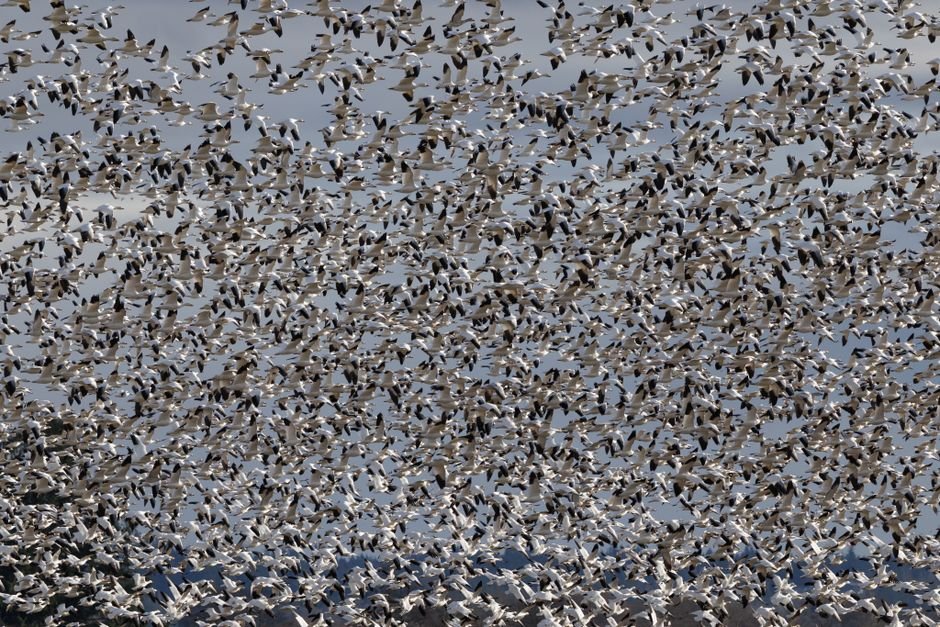
Every year, around 4 billion birds undertake migration in North America alone, navigating their paths as the seasons shift. These movements are not just instinctual but are significantly impacted by seasonal changes and variations in the climate. A deeper understanding of these factors can enhance our appreciation for these avian journeys and the ecological interplay involved.
Bird migration isn’t a simple journey; it represents a complex interplay of climatic conditions, daylight hours, and food availability. You might think migration is just about getting to warmer locations, but it’s really about timing and adaptation. Without recognizing the nuances of these seasonal shifts, we miss out on the broader story of avian behavior.

Migration Routes Shaped by Seasons
Given the diverse habitats across the globe, birds have adapted their migration routes to best utilize environmental resources. Many species follow specific paths that offer adequate food sources and safe resting points. Seasonal changes dictate when these routes are taken. For example, in North America, June might see a significant northward migration of birds like the American Robin seeking cooler weather to breed, while in September, those same birds will slowly return south to escape harsh winters.
Understanding these routes can be instrumental for bird watchers. You wouldn’t want to show up in the wrong season and miss the spectacle of hundreds of birds passing overhead. If you’re hoping to spot specific species, keep a calendar or set reminders for optimal viewing times, which change based on their migratory behavior and the season.
How Seasons Influence Migration
Seasons have a direct impact not only on when birds migrate but also on how far they travel. Breeding seasons, for instance, motivate many species to return to their northern habitats. As soon as the days start getting longer in spring, hormonal changes kick in, urging birds to leave their wintering grounds. Conversely, as autumn sets in and daylight wanes, these same birds prepare for migration back to warmer climates where food is more abundant.
Climate variations add another layer to this dynamic process. Warmer springs can lead to earlier migrations, putting pressure on birds to adapt quickly to changing environments. Some birds may arrive too early, finding that critical food sources like insects have not yet emerged. I’ve observed this phenomenon firsthand, a mismatch in timing can affect a bird’s ability to raise its young successfully.
Common Mistakes in Observing Migration
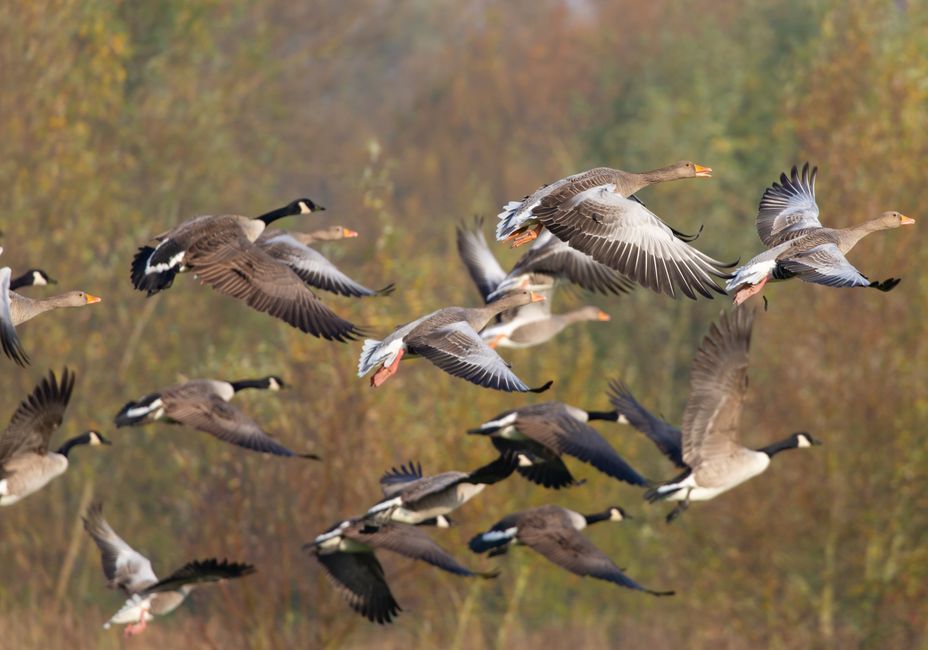
A frequent mistake many make is assuming that all species migrate similarly. Not all birds have the same migratory patterns. For instance, some are short-distance migrants, while others undertake long-distance excursions. The now-common observation that “birds will always migrate at the same time every year” often overlooks local and global weather variations that can shift timing significantly.
Don’t just rely on past experiences; always check updated migration reports or local birding groups that track seasonal changes closely. These resources will provide the latest information on what to expect in your area based on current climate conditions.
The Implications of Climate Change
One topic that cannot be overlooked is how climate change affects migratory birds. Altered weather patterns can disrupt migration cycles, leading to mismatches in breeding and food availability. Birds like the Arctic Tern, which migrates thousands of miles, face challenges from melting ice and changing food webs. The earlier spring thaws lead to changes in when insects are available, forcing birds to adapt rapidly or risk failure to reproduce.
Birdwatchers should consider how climate change affects the species they observe. Awareness of these factors can enhance understanding and appreciation of the struggles birds face during migrations.
Our write-up on northern cardinal migration facts picks up where this leaves off.
If that matters to you, our piece on bird bath vs concrete goes further.
Final Thoughts on Bird Migration and Seasonal Changes
For birdwatchers eager to catch migratory flocks, visiting coastal areas during spring and fall is highly recommended, particularly for spotting shorebirds. Alternatively, nature trails and wetlands provide prime opportunities for observing different species throughout the year, making them suitable for casual enthusiasts and dedicated ornithologists alike.
Frequently Asked Questions
Why do birds migrate seasonally?
Birds migrate seasonally primarily to access food resources and suitable breeding habitats. During winter, many regions become inhospitable due to cold temperatures and scarce food, prompting birds to move to warmer areas.
How does temperature affect bird migration?
Temperature plays a crucial role in determining when birds migrate, as many species time their movements to coincide with seasonal temperature changes. Warmer temperatures can trigger earlier migration, while colder temperatures might delay it, impacting food availability and breeding.
Can climate change alter bird migratory patterns?
Yes, climate change can significantly alter bird migratory patterns by shifting the timing of migration, changing routes, and affecting the availability of habitats. As temperatures rise and weather patterns change, birds may adapt by migrating earlier or to new locations.
What are the main triggers for bird migration?
The main triggers for bird migration include changes in daylight length, temperature fluctuations, and food availability. These environmental cues help birds determine the optimal time for migration to align with breeding and feeding opportunities.
Is bird migration consistent every year?
Bird migration is not always consistent every year, as it can be influenced by variable environmental conditions such as weather patterns and food supply. Factors like climate change can further disrupt traditional migration schedules, leading to variability.