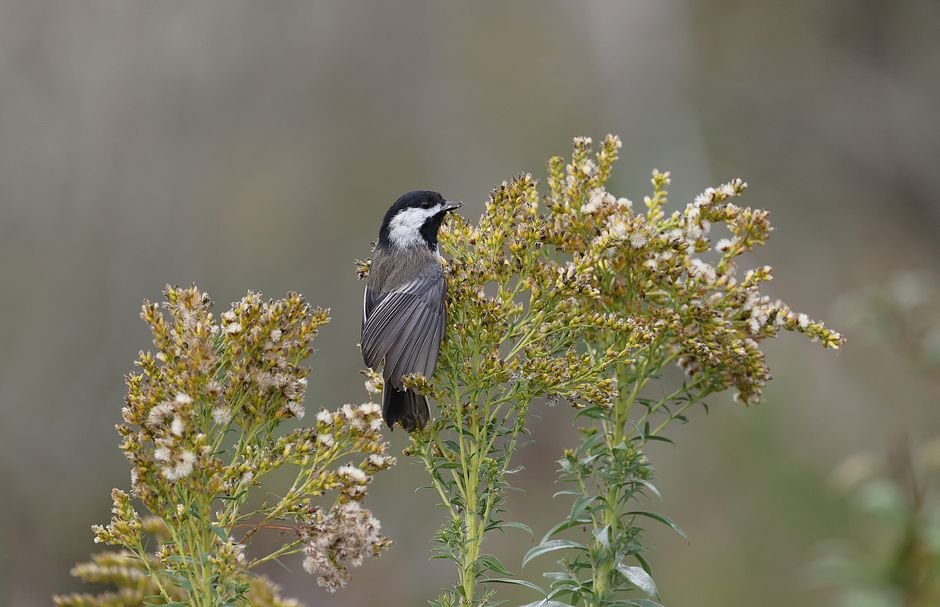
Adding native wildflowers to your garden can increase bird visits by up to 50%, making it an engaging environment for birdwatchers. These plants not only provide essential seeds as food but also foster a habitat that attracts various bird species, enhancing the natural beauty of your outdoor space. Here are seven top native wildflowers that will elevate your garden and draw in avian life.
From vibrant colors to easy maintenance, these flowers will bring both beauty and activity to your outdoor space. Whether you’re a seasoned gardener or just getting started, these selections will cater to your preferences and the local bird population’s needs.

1. Black-eyed Susan (Rudbeckia hirta)
Black-eyed Susans are known for their bright yellow petals and dark centers. These flowers are popular among various bird species because they produce an abundance of seeds in late summer and fall. If you want to draw in finches and sparrows, scattering these in your garden is a great start.
They thrive in full sun and are drought-resistant, making them suitable even for less attentive gardeners.
Tip: To encourage bushier growth and more blooms, deadhead spent flowers regularly.
2. Purple Coneflower (Echinacea purpurea)
This striking flower features a distinctive pink cone, making it a favorite among gardeners. The seeds are highly sought after by goldfinches and other songbirds. Besides being a food source, coneflowers are also hardy, adapting to various soil types. If you’re looking for a flower that brings both aesthetic appeal and wildlife benefits, this is your best bet.
Tip: Coneflowers prefer well-drained soil and benefit from occasional division every few years to stimulate growth.
3. Sunflower (Helianthus annuus)
Sunflowers are a classic choice that every bird lover should plant. Not only do they add a cheerful touch to your garden, but they also produce a high yield of seeds that attract a variety of birds, including chickadees and finches. Sunflowers grow tall and might need staking, but they are well worth the effort given their popularity.
For a mix of colors and sizes, plant a blend of varieties, from the traditional yellow to red and orange blossoms.
Tip: Space sunflower seeds about 6 inches apart to allow room for their large heads and leaves.
4. Goldenrod (Solidago spp.)
Often misunderstood as just a weed, goldenrod is a powerhouse of pollinator activity. Its bright yellow flowers attract many species of birds during their migratory seasons, providing them with seeds and nectar. It tends to fill in gaps in your garden beautifully, offering both habitat and their gorgeous display in late summer and fall.
You can count on goldenrod to thrive in various soil conditions, making it a versatile choice.
Tip: To control its spread, consider planting in an area where it can establish without crowding other plants.
5. Asters (Symphyotrichum spp.)
Asters are another late-blooming wildflower that will brightly light up your garden as summer turns to fall. Their small, daisy-like flowers come in various colors, attracting pollinators and birds alike. As they produce seeds in the fall, they become a food source for many seed-eating birds. They enjoy well-drained soil and partial to full sun, making them adaptable to different garden settings.
Tip: Asters can be susceptible to powdery mildew, so ensure proper spacing for air circulation around the plants.
6. Milkweed (Asclepias spp.)
Milkweed is essential for monarch butterflies, but it also benefits birds, especially during the fall. The seeds from milkweed pods are a treat for many birds, and its large, fragrant flowers attract hummingbirds and other pollinators. Milkweed prefers well-drained, sandy soils but can adapt to varying conditions. This is one for the eco-conscious gardener, as its presence supports multiple wildlife species.
Tip: Collect seeds from pods after they burst to easily propagate new plants for next season.
7. Wild Bergamot (Monarda fistulosa)
Wild bergamot offers a burst of lavender blooms that are not only attractive but also highly fragrant. It attracts various pollinators, including hummingbirds and butterflies, making it an excellent choice for feeding multiple species. The seeds that follow provide sustenance for birds throughout the winter months. Unlike many garden flowers, wild bergamot is incredibly resilient, thriving in diverse environmental conditions.
Tip: Wild bergamot can spread aggressively if not monitored; consider planting it in a contained area or regularly pruning back the plants.

Making the Most of These Wildflowers
For the most effective bird attraction, consider planting coneflowers, as they are particularly enjoyed by goldfinches and provide ample seeds. For a diverse approach, include black-eyed Susans, which appeal to a range of birds throughout the growing season. Prioritizing top native wildflowers for birds will ensure your garden thrives with minimal extra care.
Frequently Asked Questions
What are the best native wildflowers for birds?
Some of the best native wildflowers for birds include coneflowers, black-eyed Susans, and bee balm. These plants produce seeds that many bird species enjoy and also attract insects, providing additional food sources for birds.
Why are native plants important for birds?
Native plants are important for birds because they support local ecosystems by providing essential food and habitat. They are better suited to the local climate and soil, ensuring that the plants thrive and that wildlife, including birds, find the resources they need to survive.
How do I attract birds to my garden with plants?
To attract birds to your garden, incorporate a variety of native wildflowers that produce seeds and nectar. Additionally, create a diverse habitat with shrubs and small trees to provide nesting sites and shelter.
Can wildflowers provide food for birds?
Yes, wildflowers can provide food for birds through their seeds and nectar. Birds are particularly attracted to flowering plants that produce abundant seeds, which serve as a primary food source for many species.
Which wildflowers are easiest to grow for bird attraction?
Some of the easiest wildflowers to grow for bird attraction include purple coneflowerblack-eyed Susanand sunflowers. These plants are hardy, require minimal maintenance, and are well-known for attracting a variety of birds.