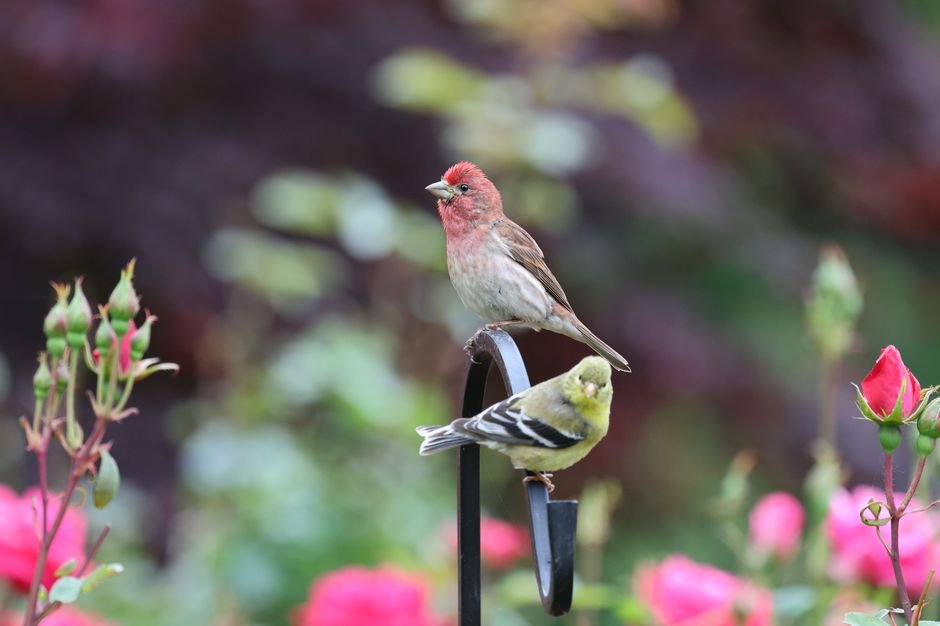
Over 50 million Americans participate in birdwatching each year, but many fail to attract birds due to poor planning. Instead of rushing into it, focus on creating an inviting habitat that includes the right mix of plants, food, and water sources.
So, how to start a bird garden effectively? First, recognize that the best way to draw in a variety of birds is to cater to their basic needs. This means providing food, shelter, and a water source. I’ll take you through the steps to create a flourishing bird garden, sharing insights about common mistakes and what really works.
Start with Native Plants for Wildlife
Choosing native plants is one of the best decisions you can make when designing a bird garden. Native plants are adapted to your local climate and soil, so they thrive with minimal maintenance. They offer natural food sources in the form of seeds, berries, and nectar.
My garden features native wildflowers, shrubs, and trees, and I notice a significant increase in local bird populations when the blooms and fruits are abundant.
Common mistakes include opting for exotic plants that may look attractive but don’t provide the necessary sustenance for local birds. Exotic species often fail to support the insects that birds need as a food source, leading to fewer birds visiting your garden. When you focus on plants indigenous to your area, you’ll create a vibrant ecosystem that supports a wide range of species.
If you’re unsure where to start, look at local nurseries and ask for advice on what works best in your region.

Strategically Place Bird Feeders
While native plants will attract insects and birds, having bird feeders can enhance your garden’s appeal, especially in colder months when food is scarce. I keep a variety of feeders filled with seeds, suet, and nectar close to my plants to create a cozy spot for birds. However, placement is crucial. Make sure they’re visible but not too exposed to predators.
One common oversight is placing bird feeders too close to glass windows, which can lead to collisions. Keep the feeders at least three feet away from glass surfaces to minimize accidents. Additionally, consider investing in high-quality feeders that keep seeds dry and free from pests. You’ll find that a well-maintained feeder will attract a larger variety of birds.
Incorporating Water Features in Your Garden
Water is essential for birds, and incorporating a water feature can turn your garden into a bird paradise. A simple birdbath will suffice, but adding movement, like a small fountain or dripper, can truly elevate its attraction. Birds prefer water that is fresh and flowing.
I set up a bird bath with a small dripper system to keep the water circulating, which seems to draw in more birds.
Many people underestimate the significance of water. It’s not only for drinking but also for bathing, which helps birds maintain their feathers. Ensure the water feature is shallow, approximately two inches deep, to prevent drowning. Clean it regularly to avoid algae buildup, which can deter birds from visiting.
Design Your Garden for Shelter and Nesting
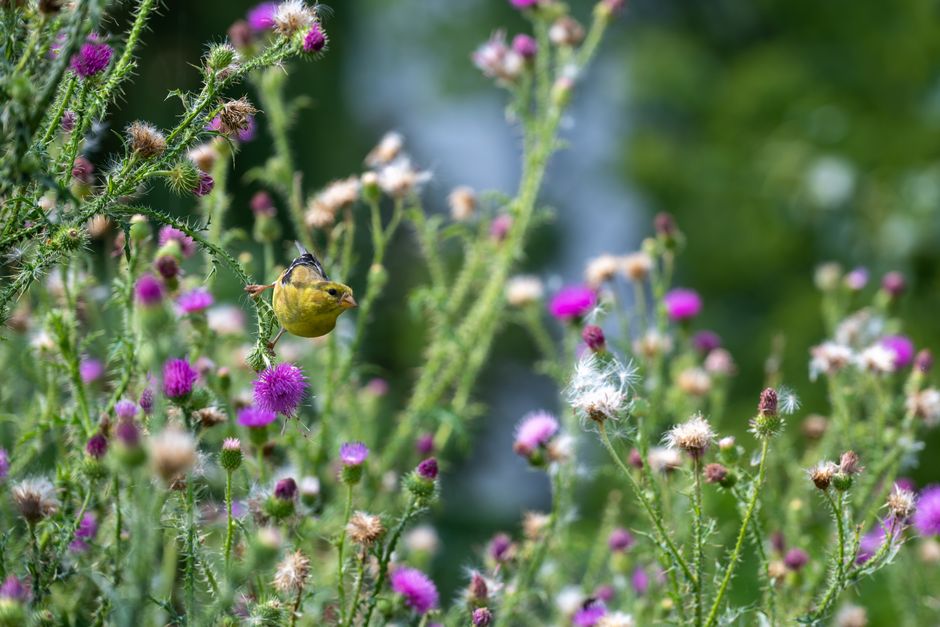
Birds need safe spaces to hide from predators and to raise their young. Incorporate dense shrubs and trees where birds can nest and find cover. My experience shows that a layered garden design attracts different bird species. Create a mix of heights, tall trees, mid-sized shrubs, and ground cover plants. This encourages a diverse bird population as different birds prefer varying nesting heights.
One mistake to avoid is a sterile garden. An over-manicured space with tidy edges offers little benefit to birds. Allow some areas to grow wild; this promotes insects and seeds that many birds find appealing. If you provide the right environment, you’ll be amazed at the variety of birds that will visit your garden.
Common Mistakes to Avoid When Starting Your Bird Garden
Many new bird gardeners overlook the importance of seasonal changes. Keeping your garden vibrant through different seasons is critical. Have a plan to provide food year-round, whether it’s by planting suitable crops or using feeders that can be adapted throughout the seasons. A common issue I’ve found is when feeders are neglected and run out of food, causing birds to lose interest.
Another mistake lies in choosing the wrong types of bird feeders and food. For example, using mixed seed might seem economical, but it often leaves behind unsightly shells and attracts unwanted guests. Instead, research specific bird species in your area and choose feeders and seeds that cater to them. This targeted approach will yield satisfying results.
Mix in a Variety of Plants for Continuous Bloom
Maintaining a variety of plants that bloom at different times keeps your garden interesting for both you and the birds. I enjoy incorporating flowers like black-eyed Susans and milkweed for their visual appeal and the nourishment they provide. This strategy not only supports your local birds but also creates a vibrant environment that attracts various pollinators, making the ecosystem even healthier.
Planting perennials will ensure that your garden returns each year without needing to be reseeded, which saves you time and effort. Some discover that keeping track of planting schedules and bloom cycles is pivotal in maintaining a bird-friendly habitat. For those interested in how to start a bird garden, consider investing in specific plants like trumpet vine or columbine to ensure those visitors stop by.
We cover solar bird baths in more depth separately.
We cover bird bath in more depth separately.
Final Thoughts: Create a Thriving Bird-Friendly Space
To create a successful bird garden, prioritize native plants, which support local birds and insects. Adding an assortment of feeders and ensuring plenty of water will cater to a variety of species, making it suitable for both beginners and seasoned enthusiasts.
Frequently Asked Questions
What plants attract the most birds?
Plants like native wildflowers, berry-producing shrubs such as serviceberry and elderberry, and seed-bearing plants like sunflowers can attract a variety of birds. Additionally, trees such as oaks and pines provide essential nesting sites and food sources.
How can I make my garden bird-friendly?
To create a bird-friendly garden, incorporate a mix of native plants, provide cover, and maintain a diverse habitat with trees, shrubs, and open spaces. Adding birdhouses, nesting materials, and avoiding pesticide use can also encourage birds to visit.
Why do some birds ignore my garden?
Birds may ignore your garden if there are few food sources, lack of shelter, or if it is too noisy or disturbed. Additionally, gardens with non-native or overly manicured plants may not provide the natural resources birds prefer.
How important is water in a bird garden?
Water is crucial in a bird garden as it offers birds a source for drinking and bathing. Incorporating birdbaths or fountains can attract birds while also helping to keep them clean and hydrated.
Can I attract birds with feeders alone?
While feeders can attract birds, relying solely on them may not be enough. A diverse garden with native plants, water sources, and shelter will create a more inviting environment for a wider array of birds.