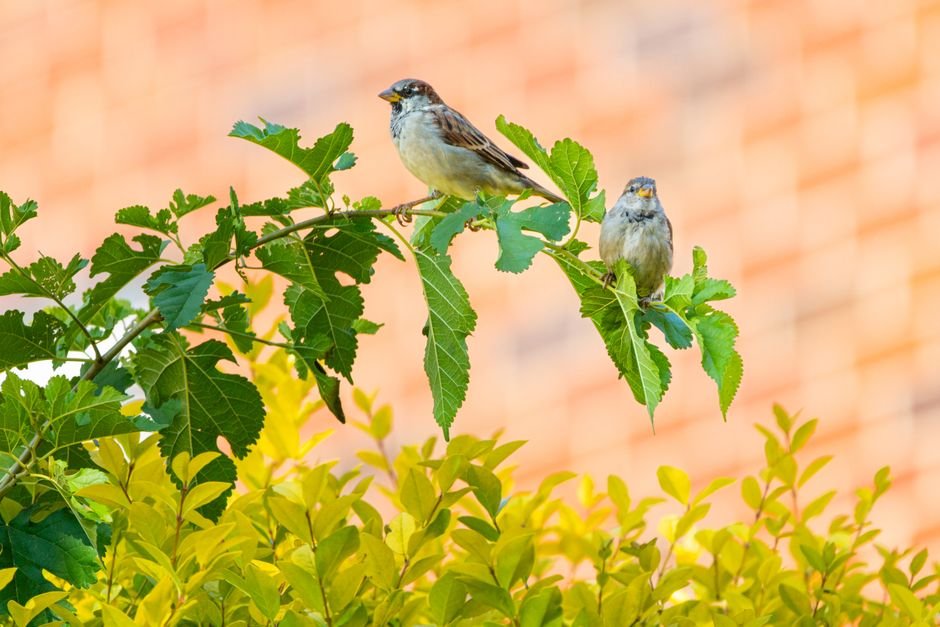
Around 15% of gardens fail to attract birds due to poor habitat choices. Common reasons include a lack of native plants, insufficient food sources, and environmental disturbances. Identifying these issues is key to bringing birds back to your garden.
The fact is, many people struggle with troubleshooting birds not visiting my garden. They set up beautiful feeders, plant flowers, and hang baths but often overlook key elements that can truly attract birds. I’ve gathered insights from my experiences and what I’ve observed in similar gardening communities to help you figure out why birds might be steering clear and what to do about it.
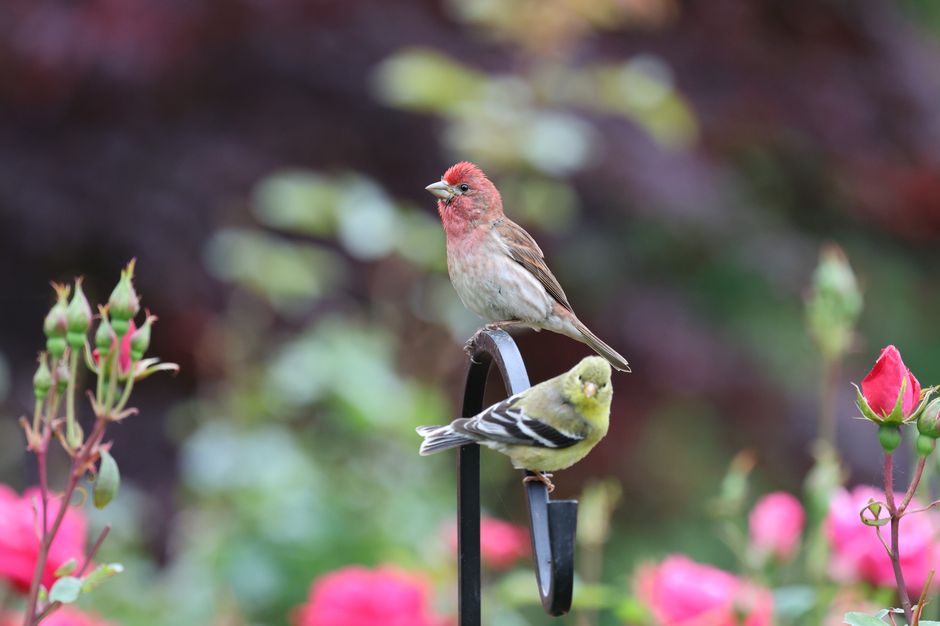
Common Reasons Birds Avoid Gardens
One glaring issue is the lack of food. Birds are incredibly opportunistic when it comes to feeding. If your bird feeders are empty or filled with low-quality seed, they’re not likely to stick around. I personally noticed a significant drop in bird visits after I had run out of black oil sunflower seeds, which are favorites among many species.
Investing in high-quality, varied bird seeds can make a remarkable difference in attracting birds.
Another factor to consider is the garden’s environment. Birds prefer areas rich in native plants. Native species provide natural food sources, like seeds and berries, and shelter. If your garden is dominated by non-native plants, you might not be offering the resources birds need. I made the switch to more native plants in my garden, and it significantly increased the diversity of birds visiting.
For instance, planting coneflowers or serviceberries can draw specific bird species that thrive in those habitats.
Moreover, I’ve found that the presence of nearby predators can deter birds significantly. If your garden is close to areas where cats roam or has constant noise from dogs, birds are more likely to avoid the area altogether. Creating a more peaceful environment can help them feel safe.
Assessing Your Bird Feeders
Feeding stations play a pivotal role in determining whether birds will frequent your garden. It seems straightforward, but many people set up feeders without considering factors like location and cleanliness. A feeder that’s too near to noisy or chaotic areas will deter birds from feeling comfortable enough to visit.
Ideally, position feeders where birds can easily spot them but are still shielded from prying eyes and noise.
If you notice that the feed hasn’t been touched in days, it’s time to evaluate both the type and cleanliness of your feeders. Clean feeders regularly to prevent mold and bacteria build-up, which can discourage visits from avian friends. I make it a habit to clean my feeders every couple of weeks, ensuring the seeds remain fresh and appealing.
- Choose feeders that cater to different species.
- Place multiple feeders at varying heights.
- Make sure feeders are easy to refill and clean.
Creating Bird Habitats in Your Garden
It’s essential to realize that birds need more than just food; they require suitable habitats to thrive. Adding shrubs, trees, and ground cover increases the variety of birds that might come to your garden. Birds utilize these spaces for nesting, hiding from predators, and locating food.
After I planted a few shrubs and increased the overall greenery in my space, I noticed a broader array of species exploring my garden.
Providing a source of water, such as a birdbath, is also crucial. Birds need clean water for drinking and bathing, and a dry environment will not attract them. An added benefit is that many common insects, which can attract insect-eating birds, will also come to areas with water. I recommend refreshing the water in birdbaths every few days to keep it clean and enticing.

Tips for a Bird-Friendly Environment
Switch to organic gardening methods to avoid harming birds and to enhance biodiversity. This approach suits gardeners who prioritize ecological health while looking to attract wildlife. By fostering a chemical-free environment, you can significantly increase both insect and bird populations in your space. For more on this topic, consider reading about troubleshooting birds not visiting my garden.
For more, read about clean garden.
Frequently Asked Questions
How long does it take to attract birds to my garden?
Attracting birds can take several weeks to months. Once you make your garden more inviting, they’ll gradually start to frequent the space as they identify it as a safe place.
What types of seeds attract the most birds?
Black oil sunflower seeds are a favorite for many species. Nyjer seeds attract finches, while suet can draw in insect-eating birds like woodpeckers.
How do I keep my bird feeders clean?
Cleaning bird feeders with a mild bleach solution or a vinegar-water mix is effective. Just be sure to thoroughly rinse them and let them dry before refilling.