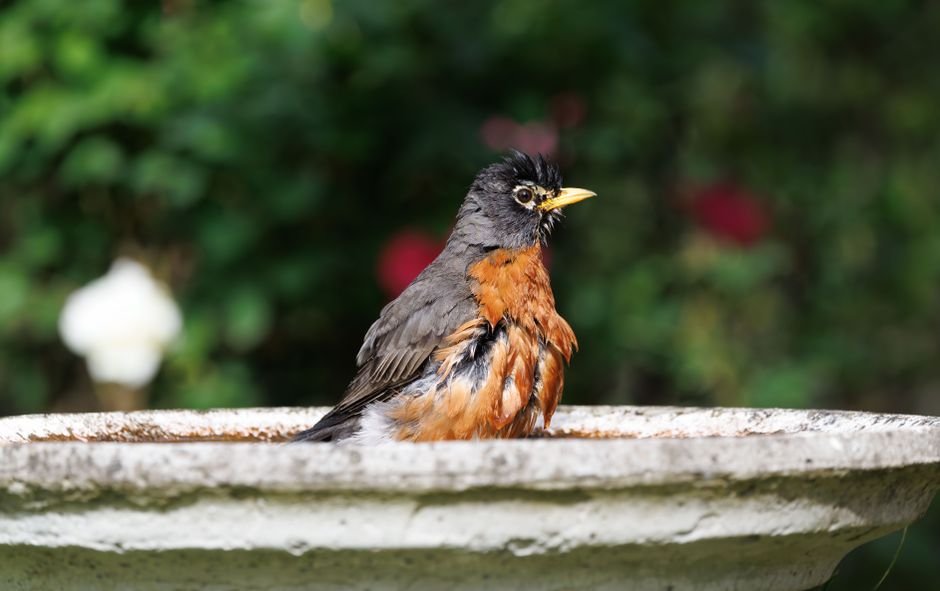
A dirty bird bath can deter feathered guests and promote algae growth in less than a week. Regular maintenance is essential to keep this water source appealing and safe for birds. Without proper care, your bird bath may become uninviting and unhealthy for visiting wildlife.
The process involves more than just a quick rinse. You can take concrete steps to ensure your bird bath remains a safe and inviting space for birds throughout every season. Here are my essential bird bath maintenance tips to keep it pristine and functional.
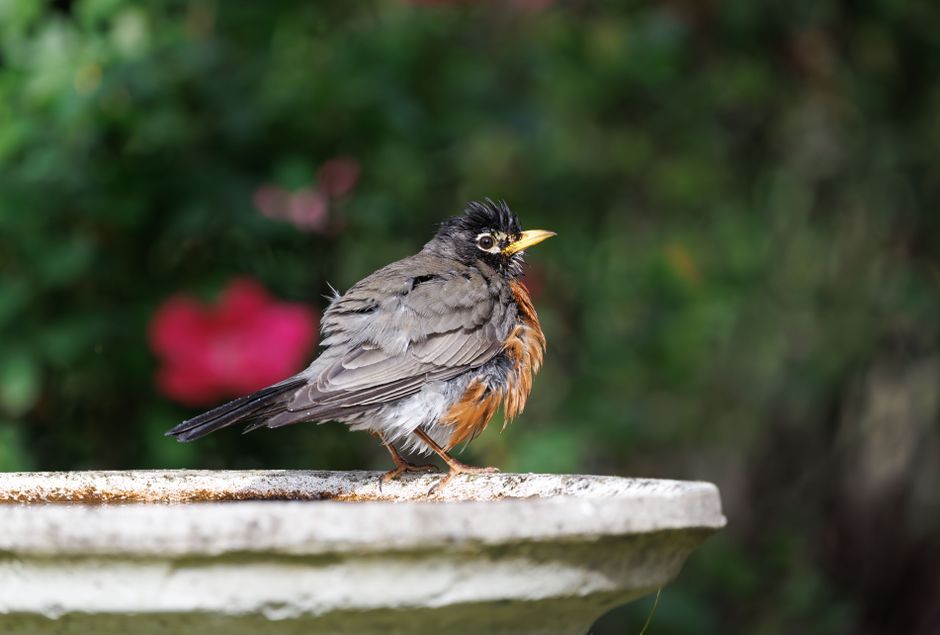
Why Regular Maintenance Matters
Regular cleaning is the best way to prevent algae growth and harmful bacteria. Studies show that buildup of organic matter can lead to disease in birds. For instance, leaving water stagnant for a few days fosters bacteria, making your birdbath a risk rather than a refuge. Birds can sense that the water’s not clean, which makes them reluctant to drink.
Moreover, beyond health concerns, birds are attracted to anything that looks fresh and clear. A well-maintained bird bath draws them in, especially if it’s filled with clean, running water. The effort you put into upkeep translates into joy as you watch these lovely creatures visit often.
How to Clean Your Bird Bath Safely
Your cleaning routine should include a deep clean every week, especially in warmer months. I use a mixture of vinegar and water. Mix one part vinegar with nine parts water for an effective, natural cleaner. Avoid harsh chemicals or soaps, as these can be harmful to birds. Scrub the bath with a brush, paying attention to corners where grime and algae tend to accumulate.
As you clean, it’s essential to thoroughly rinse your bath with plain water afterward. Residue from cleaning solutions can linger, exposing birds to toxins. After rinsing, refill the bird bath with fresh water and place it in a sunny spot whenever possible; this will keep the water warm and appealing for your feathered visitors.

Pay Attention to Seasonal Maintenance
As the seasons change, so do your maintenance needs. In the winter, ensure your bird bath doesn’t freeze over. I recommend investing in a heater designed for bird baths to keep water from turning icy. This way, it remains accessible to birds in cold weather, fulfilling their hydration needs.
During fall, leaves can clog the bird bath, leading to stagnant water that encourages algae growth. Regularly removing debris saves you from more extensive cleaning later. Lastly, in early spring, it’s essential to scrub your bird bath thoroughly before the warmer months arrive because that’s when birds are really starting to search for drinking spots.
Avoiding Common Mistakes
One of the most common missteps is underestimating the impact of algae. Many users think they can skip a cleaning session here or there without consequences. Trust me, this is where most people get caught out. Even a few days of neglect can create an uninviting environment for birds.
Plus, if you’ve located your bird bath under trees or in shaded areas, algae growth may be quicker, causing you to need more frequent cleaning.
Another oversight is not considering the type of bird bath you have. Some materials retain heat better than others. Stone and concrete baths can stay warm in cooler weather, while plastic baths might require more frequent cleaning due to their lower durability. Choose a design that fits your location and the types of birds you want to attract.
For tips on enhancing the appeal of your bird bath, see my guide on attracting birds to your bird bath.
Maintain the Right Water Levels
Maintaining the proper water level can be just as crucial as keeping the bird bath clean. Water should be deep enough for birds to bathe but not too deep for smaller species. Aim for about 2-3 inches of water. As the water evaporates, refill it promptly; birds are less likely to visit if they find an empty bird bath.
Likewise, to maintain interest, consider adding a birdbath mister. Many birds love the sound of running water, which can entice them to linger longer. This easy addition leads to more frequent visitors; the movement of water gives insects a chance to emerge, attracting insectivorous birds, too.
Know When to Replace Your Bird Bath
Sometimes, durability issues crop up. If you find cracks or extensive wear and tear, it might be cheaper and easier to simply replace your bird bath. I’ve noticed that ceramic and glass bird baths tend to be more aesthetically pleasing but can crack or become less functional over time.
On the other hand, metals or plastics are often more durable but might not appeal to your garden’s design. Choose wisely based on your climate and how much maintenance you’re willing to do.
Look for a bird bath that offers both functionality and a design you enjoy. Whether it’s a serene stone feature or a playful ceramic option, the right bird bath can be the centerpiece of your garden, combining beauty with essential maintenance.
Final Thoughts: Keep the Water Flowing
To keep your bird bath in top shape, clean it weekly and replace the water regularly. For those who struggle with algae, consider using copper elements, which are effective for prevention. If you're keen on attracting a diverse array of bird species, maintaining a clean and functional bird bath is crucial.
Frequently Asked Questions
How often should I change bird bath water?
You should change the water in your bird bath at least once a week to keep it fresh and clean. In hotter weather or if you notice debris accumulating, consider changing it more frequently, even every few days.
Why does my bird bath grow algae?
Algae growth in bird baths is often caused by stagnant water, sunlight exposure, and organic debris like leaves or droppings. Keeping the water moving and clean can help prevent algae formation.
What is the best way to clean a bird bath?
The best way to clean a bird bath is by emptying it completely and scrubbing it with a mixture of vinegar and water or a mild soap solution. Rinse thoroughly to remove any residue before refilling with fresh water.
Can I use vinegar to clean my bird bath?
Yes, vinegar is a great natural cleaning agent that can effectively remove dirt and algae from bird baths. Make sure to rinse the bath well after cleaning to ensure no vinegar residue remains.
Is it safe to use tap water in bird baths?
Yes, it is generally safe to use tap water in bird baths, but if your tap water has high chlorine or fluoride levels, it might be better to let it sit for 24 hours before adding it. This allows some chemicals to dissipate, making it safer for birds.