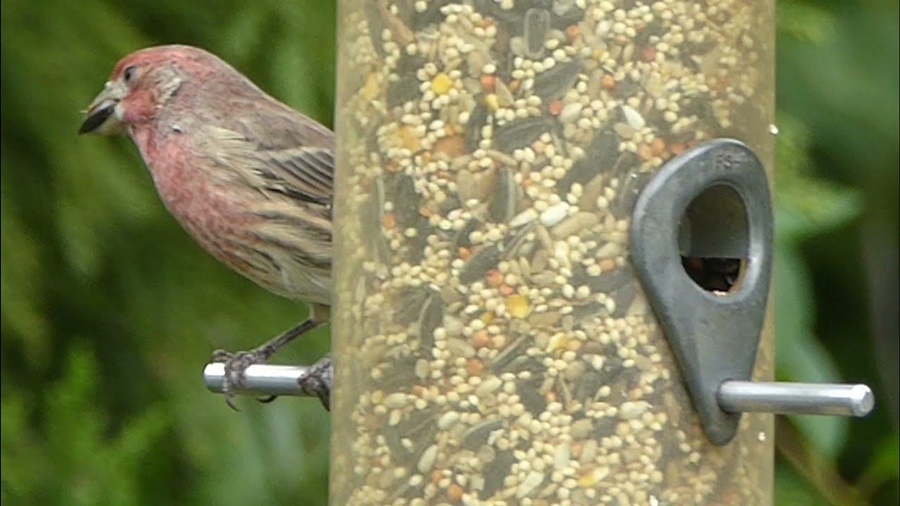
Finches are small, energetic birds with specific feeding preferences. If you want to attract and keep them visiting your yard, choosing the right feeder matters just as much as choosing the right seed. Two of the most common options are Nyjer feeders and seed feeders but they serve different purposes and attract finches in different ways.
This article breaks down the key differences to help you decide which feeder (or combination) works best for your backyard.
Understanding Finch Feeding Behavior
Finches have small, conical beaks designed for cracking tiny seeds. They prefer to feed in groups and are more comfortable on feeders that allow them to perch easily or cling while eating. Because of these traits, not all feeders are equally effective at attracting them.
What Is a Nyjer Feeder?
A Nyjer feeder (sometimes called a thistle feeder) is specifically designed to dispense Nyjer seed, a tiny, oil-rich seed loved by finches especially goldfinches, pine siskins, and redpolls.
Key Features of Nyjer Feeders
Very small feeding ports to prevent seed waste
Often tube-style or mesh (sock) feeders
Designed for clinging or small perches
Limits access to larger birds
Best For
American Goldfinches
Lesser Goldfinches
Pine Siskins
Common Redpolls
Advantages
Highly attractive to finches
Reduces unwanted birds like sparrows
Less mess when properly designed
Disadvantages
Nyjer seed can be more expensive
Seed spoils quickly if wet
Limited variety of bird species
What Is a Seed Feeder?
A seed feeder is a general-purpose feeder that holds mixed bird seed or sunflower seeds. These feeders come in many styles, including hopper, tube, platform, and tray feeders.
Key Features of Seed Feeders
Larger feeding ports
Can hold multiple seed types
Often includes perches or platforms
Attracts a wide variety of birds
Best For
House Finches
Purple Finches
Chickadees
Sparrows
Cardinals (depending on feeder design)
Advantages
Versatile and widely available
Less expensive seed options
Attracts more bird species
Disadvantages
More seed waste
Can attract aggressive or non-target birds
Finches may avoid feeders dominated by larger birds
Nyjer Feeder vs Seed Feeder: Side-by-Side Comparison
| Feature | Nyjer Feeder | Seed Feeder |
|---|---|---|
| Seed Type | Nyjer (thistle) | Mixed seed or sunflower |
| Target Birds | Finches only | Finches + many species |
| Feeding Ports | Very small | Medium to large |
| Waste Level | Low | Medium to high |
| Bird Competition | Minimal | Often high |
| Cost | Higher seed cost | Lower seed cost |
| Best Use | Finch-specific feeding | General backyard feeding |
Which Feeder Is Better for Finches?
It depends on your goal:
If you want to specifically attract finches and discourage other birds, a Nyjer feeder is the better choice.
If you want finches plus a variety of backyard birds, a seed feeder with high-quality sunflower hearts works well.
For the best results, many bird enthusiasts use both—placing them a few feet apart to reduce competition.
Placement Tips for Both Feeders
Hang feeders 5–7 feet off the ground
Place near shrubs or trees for quick cover
Keep Nyjer feeders dry to prevent spoilage
Clean feeders every 1–2 weeks to prevent disease
Conclusion
Nyjer feeders and seed feeders each play a role in attracting finches. A Nyjer feeder offers precision and exclusivity, while a seed feeder provides flexibility and variety. Understanding these differences allows you to create a feeding setup that keeps finches comfortable, well-fed, and coming back season after season.
If finches are your priority, start with Nyjer. If you want a lively, diverse bird population, seed feeders complete the picture.