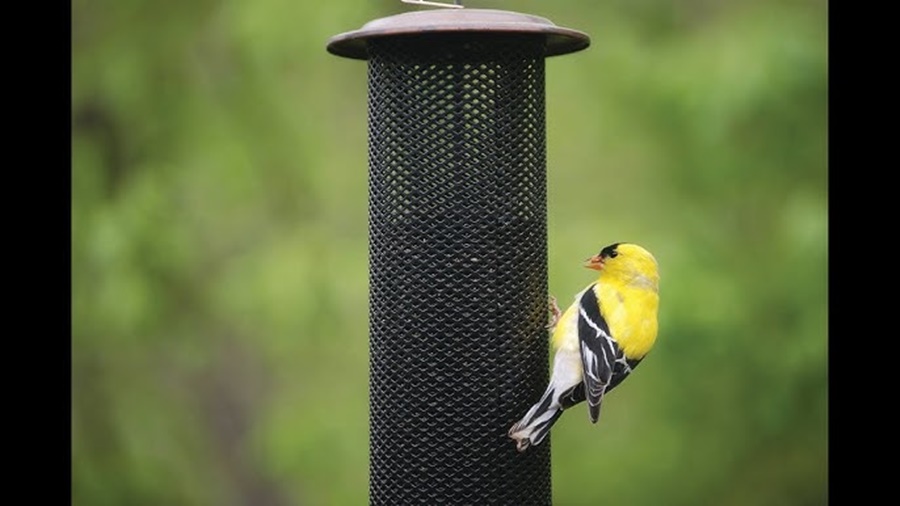
The best finch feeder depends on your specific needs, but generally, tube feeders are ideal for attracting a variety of finches, while mesh feeders are great for enticing larger groups. To choose the right one, consider your environment and the species you want to attract.
Understanding Finch Feeding Behavior
Before diving into feeder types, it helps to know how finches eat:
- Finches are small, agile birds with slender bills ideal for feeding on seeds like nyjer (thistle).
- They prefer to cling and feed from small openings or surfaces where they can pick tiny seeds easily.
- Species like the American Goldfinch, Pine Siskin, and House Finch are especially attracted to specialized feeders designed for tiny seeds.
Knowing this, feeders should provide easy access to nyjer seed, be easy to clean, and minimize seed waste.
What Is a Mesh Finch Feeder?
A mesh finch feeder is made of a wire or plastic mesh with many small holes. These holes allow finches to cling to the feeder and extract seeds through the mesh.
Key Features
- Mesh Surface: Small openings allow birds to cling and pick seeds.
- Simple, Open Design: Little or no internal seed storage.
- Easy Access: Seeds are held right up against the mesh so birds can feed easily.
Pros of Mesh Feeders
Perfect for Tiny Seeds: Mesh feeders are ideal for finches feeding on nyjer or other small seeds.
Less Waste: Because the seeds are right against the mesh, birds can pick them without lots of spillage.
Good Aeration: Air flows through the mesh, reducing moisture buildup.
Cons of Mesh Feeders
Limited Capacity: Small feeders hold less seed, requiring more frequent refilling.
Weather Exposure: Seeds are more exposed to rain and moisture.
Potential Rust: Metal mesh can rust over time if not high-quality.
What Is a Tube Finch Feeder?
A tube finch feeder is a small, cylindrical plastic or metal tube with tiny feeding ports. The ports are often sized for finches and the tube stores seed inside, dispensing it slowly.
Key Features
- Enclosed Seed Storage: Protects seed inside a tube.
- Small Feeding Ports: Designed to allow finches to sip seed while keeping larger birds out.
- Perches: Some models include small perches for birds to grip while feeding.
Pros of Tube Feeders
Large Seed Capacity: Tube feeders hold more seed, meaning less frequent refilling.
Weather Protection: Enclosed design helps keep seed dry.
Cleaner Appearance: Seed stays inside until eaten.
Cons of Tube Feeders
Spill Potential: Some finches may dislodge seeds that fall to the ground.
Clogging Issues: Wet seed can clog ports, especially in wet climates.
Cleaning Challenges: Narrow tube designs can be harder to clean thoroughly.
Mesh vs. Tube: Side-By-Side Comparison
| Feature | Mesh Feeder | Tube Feeder |
|---|---|---|
| Seed Type | Best for tiny seeds like nyjer | Works for tiny seeds and mixed seed blends |
| Seed Capacity | Small | Medium to large |
| Weather Protection | Low | Higher |
| Ease of Cleaning | Easy | Can be tricky |
| Seed Waste | Lower | Moderate |
| Attracts Finches | Excellent | Very good |
| Attracts Other Birds | Limited | Can attract more species |
Which Finches Are You Trying to Attract?
- American Goldfinches, Lesser Goldfinches, Pine Siskins:
Prefer mesh feeders because seeds are easy to access and visible. - House Finches and Mixed Flocks:
May use both mesh and tube feeders, especially if feeding ports are appropriately sized.
Factors to Consider Before You Buy
1. Climate
- Rainy or humid areas? Tube feeders protect seeds from moisture better.
- Dry, mild climates? Mesh feeders work well and are easier to maintain.
2. Seed You Plan to Use
- Nyjer seed? Mesh is best since it sits right at the feeding surface.
- Mixed seed blends? Tube feeders hold blends better and keep seeds contained.
3. Backyard Space
- Small patios or balconies might benefit from compact mesh feeders.
- Larger yards accommodate bulkier tube feeders.
4. Cleaning and Maintenance
- Mesh feeders are quick to rinse and dry.
- Tube feeders may require bottle brushes and more effort.
Tips to Reduce Seed Waste
- Place a seed tray or finch feeding sock underneath feeders to catch spilled seeds.
- Fill feeders just enough for a few days to prevent mold and waste.
- Clean feeders weekly to prevent seed spoilage and disease.
Final Verdict: Mesh or Tube Finch Feeder?
There’s no universal winner it depends on your goals:
Choose a mesh finch feeder if your priority is attracting finches that feed easily on tiny seeds with minimal waste.
Choose a tube finch feeder if you want larger capacity and better protection from the elements.
Many bird lovers use both types to see which works best in their yard and attract the widest variety of finches.
Conclusion
Both mesh and tube finch feeders have their strengths. Mesh feeders offer easy feeding and low waste, while tube feeders hold more seed and protect it better from weather. The best choice depends on your climate, the birds you want to attract, and how much time you want to spend filling and cleaning your feeder.