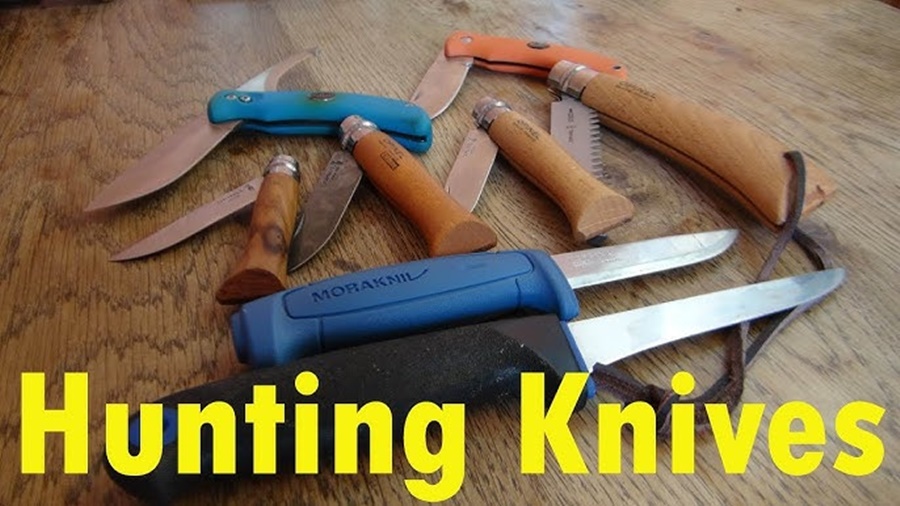
The hunting knife is one of the oldest and most essential tools in human history. Long before it became a specialized piece of outdoor equipment, the knife played a vital role in survival, hunting, food preparation, and self-defense. Over thousands of years, the hunting knife evolved in form, materials, and purpose, reflecting advances in technology, culture, and craftsmanship.
Early Origins: Prehistoric Beginnings
The earliest hunting knives date back to prehistoric times, when early humans fashioned cutting tools from stone, bone, and obsidian. These primitive blades were used for hunting animals, skinning game, cutting meat, and crafting tools. Although crude by modern standards, these early knives were carefully shaped and sharpened, demonstrating an understanding of edge geometry and durability.
As hunting became central to human survival, the knife evolved into a reliable companion. These tools were typically handheld, with sharp edges created through flaking or grinding. Their design was simple but effective, laying the foundation for all future hunting knives.
The Bronze and Iron Ages
The development of metallurgy marked a major turning point in knife history. During the Bronze Age (approximately 3300–1200 BCE), hunters began using blades made from copper and bronze. These materials allowed for sharper edges and greater strength than stone. Handles were often made from wood, bone, or horn, securely attached to the blade.
The Iron Age further revolutionized knife production. Iron blades were tougher and more durable, making them ideal for repeated hunting use. Blacksmiths refined forging techniques, producing knives with improved balance and cutting efficiency. During this period, knives began to show regional design differences based on hunting practices and available materials.
Medieval and Early Modern Periods
In medieval Europe, hunting was both a necessity and a symbol of status, particularly among the nobility. Specialized hunting knives emerged, designed for specific tasks such as skinning, field dressing, and dispatching game. Knives were often carried in sheaths and decorated with engravings or ornamental handles.
During this era, blade shapes became more defined. Drop-point and clip-point styles began to appear, offering greater control and precision. Hunting knives were commonly made of high-carbon steel, which provided excellent sharpness but required regular maintenance to prevent rust.
In other parts of the world, such as Asia, Africa, and the Americas, indigenous cultures developed their own hunting knives and blades. These tools were deeply connected to tradition, craftsmanship, and spiritual beliefs, often passed down through generations.
The Industrial Revolution
The Industrial Revolution of the 18th and 19th centuries transformed knife manufacturing. Mechanized production made knives more affordable and widely available. Standardized designs replaced many handmade blades, though skilled craftsmanship remained important.
Steel quality improved significantly during this time, leading to stronger and more consistent blades. Folding hunting knives also gained popularity, offering portability and safety. Brands and manufacturers began establishing reputations for quality, reliability, and innovation.
The 20th Century: Modernization and Specialization
The 20th century marked the rise of the modern hunting knife. Advances in metallurgy introduced stainless steel, which resisted corrosion and required less maintenance. Blade designs became increasingly specialized, with distinct knives for skinning, boning, and survival tasks.
Military influence during the World Wars also shaped hunting knife design. Durable combat and utility knives inspired civilian hunting models, emphasizing strength, versatility, and ergonomic handles. Synthetic materials such as rubber and polymers replaced traditional handle materials, improving grip and durability.
Contemporary Hunting Knives
Today’s hunting knives combine traditional design principles with modern technology. High-performance steels, precision heat treatment, and ergonomic engineering have resulted in blades that are sharper, stronger, and longer-lasting than ever before.
While modern hunters have access to advanced tools, the hunting knife remains rooted in its original purpose: assisting the hunter in the ethical and efficient processing of game. Custom knife makers continue to produce handcrafted hunting knives, blending artistry with function, while mass-produced models ensure accessibility for all skill levels.
Cultural and Symbolic Significance
Beyond its practical use, the hunting knife holds deep cultural significance. It represents self-reliance, tradition, and a connection to nature. In many cultures, a hunting knife is a rite-of-passage item, a family heirloom, or a symbol of respect for the hunt.
Conclusion
The history of the hunting knife mirrors the history of humanity itself. From stone tools shaped by early hunters to precision-engineered modern blades, the hunting knife has evolved alongside human innovation and survival needs. Despite technological advances, its fundamental role has remained unchanged: a trusted tool that bridges the ancient past with the modern outdoors.