A hunting knife is one of the most important tools an outdoorsman carries. While blade steel and edge geometry often get most of the attention, the handle material plays an equally critical role especially when it comes to grip. A secure, comfortable grip improves control, reduces fatigue, and enhances safety in demanding field conditions. This article explores how different handle materials affect a hunting knife’s grip and what factors hunters should consider when choosing the right one.
Why Grip Matters in a Hunting Knife
Grip is not just about comfort; it is a safety feature. A hunting knife is often used in wet, cold, or slippery conditions during field dressing, skinning, or general camp tasks. Blood, water, sweat, rain, or snow can all compromise grip. A handle that becomes slick or uncomfortable increases the risk of the knife slipping, potentially causing injury or poor cutting performance.
An effective grip allows the user to:
Maintain control in wet or cold conditions
Apply consistent pressure without hand strain
Reduce the risk of accidents
Use the knife for extended periods comfortably
Handle material directly influences all of these factors.
Natural Materials and Their Grip Characteristics
Wood
Wood has been used for knife handles for centuries and remains popular for its natural feel and warmth. It provides a comfortable grip in moderate conditions and does not feel excessively cold in winter. However, untreated or poorly stabilized wood can become slick when wet and may swell, crack, or warp over time. Stabilized wood improves moisture resistance but may still lack traction compared to modern synthetic materials.
Bone, Horn, and Antler
These traditional materials offer a unique texture that can improve grip slightly over smooth wood. Antler, in particular, provides natural ridges that can aid control. However, they can become slippery when wet and may be uncomfortable during prolonged use. Durability can also be an issue if exposed to extreme temperature changes.
Synthetic Materials and Grip Performance
Rubber and Elastomer-Based Handles
Rubberized handles are among the best for grip, especially in wet or cold environments. They provide excellent traction, absorb shock, and reduce hand fatigue. Even when covered in blood or water, rubber maintains a non-slip surface. The downside is reduced durability over long periods and possible degradation when exposed to heat, UV light, or chemicals.
Polymer and Plastic
Modern polymers are lightweight, durable, and resistant to moisture. Some polymer handles are textured or patterned to enhance grip, while smoother versions may become slippery. High-quality polymers perform well in most conditions but may feel hard or less comfortable during extended use unless ergonomically designed.
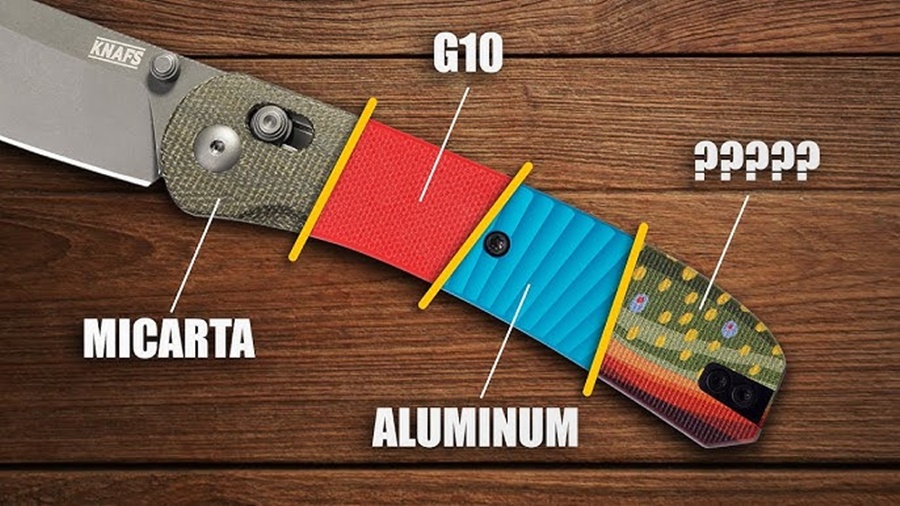
G10 and Micarta
G10 and Micarta are composite materials made from layers of fabric or fiberglass bonded with resin. They are highly regarded for hunting knives because of their durability and grip reliability. When textured, these materials offer excellent traction even when wet. They are resistant to temperature changes, chemicals, and moisture, making them a top choice for serious hunters.
Metal Handles and Grip Considerations
Stainless Steel and Aluminum
Metal handles are strong and durable, but they are often the least grippy. Smooth metal becomes slippery when wet and feels extremely cold in low temperatures. To counter this, manufacturers often add texturing, rubber inserts, or finger grooves. Even with these modifications, metal handles generally offer less grip comfort compared to other materials, particularly for extended hunting tasks.
Texture, Shape, and Ergonomics
Handle material alone does not determine grip quality. Texture and shape play major supporting roles. A slightly rough or patterned surface improves traction regardless of material. Ergonomic shaping such as palm swells, finger grooves, and flared guards helps keep the knife secure in hand and reduces fatigue.
A well-designed handle made from an average material can outperform a poorly designed handle made from a premium one. Hunters should always consider how the handle feels during actual use, not just its appearance.
Environmental Conditions and Material Choice
The best handle material depends on where and how the knife will be used:
Wet climates: Rubber, G10, or Micarta offer superior grip
Cold environments: Wood, rubber, or textured composites feel warmer and safer
Extended use: Ergonomic synthetics or stabilized wood reduce fatigue
Rugged, hard use: Composite materials provide the best balance of grip and durability
Conclusion
Handle material has a direct and significant impact on a hunting knife’s grip. From traditional wood and antler to advanced composites like G10 and Micarta, each material offers unique advantages and drawbacks. The ideal choice balances grip, comfort, durability, and environmental performance. Ultimately, a secure grip enhances safety, efficiency, and confidence making handle material a critical factor in choosing the right hunting knife.